87Views 0Comments
Best Crypto Wallets: Secure, Fast & Trusted by Millions
The cryptocurrency landscape in 2024 gives Americans more options than ever for storing digital assets. Security features, supported cryptocurrencies, and fee structures vary significantly across providers, so choosing the right wallet requires some research. This guide covers the top crypto wallets available, whether you’re just starting out or you’ve been investing for years.
Understanding Crypto Wallets: A Brief Overview
A cryptocurrency wallet lets you interact with blockchain networks to send and receive cryptocurrencies like Bitcoin, Ethereum, and thousands of altcoins. Crypto wallets don’t actually store funds—they store private keys that prove ownership of your holdings on the blockchain.
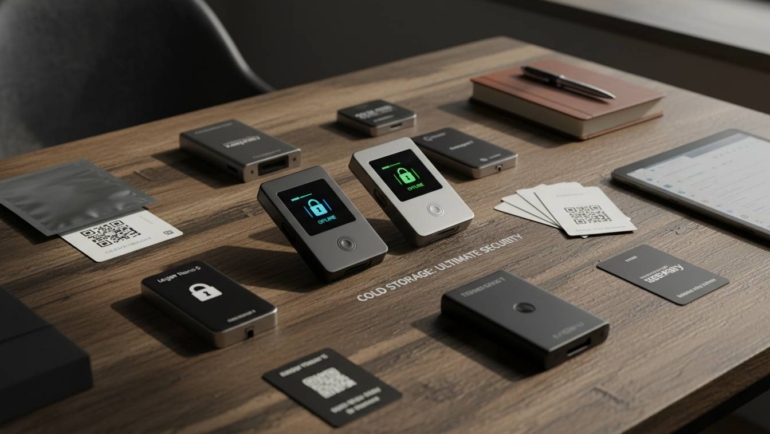
The main choice is between hot wallets and cold wallets. Hot wallets connect to the internet, offering convenience for frequent trading. Cold wallets (hardware wallets) stay offline and provide better security for long-term storage. Most serious crypto holders use both: cold storage for the bulk of their holdings, hot wallets for day-to-day transactions.
The best crypto wallets in 2024 balance security, accessibility, supported assets, and user experience. Wallet providers have added features like staking, DeFi integration, and NFT support as the market has grown.
Top Crypto Wallets for 2024
Coinbase Wallet works well if you already use the Coinbase exchange. It integrates seamlessly with the platform while giving you full control over your private keys. The wallet supports over 10,000 cryptocurrencies and connects to DeFi protocols and NFT marketplaces. The mobile app has strong ratings on both iOS and Android.
Exodus Wallet appeals to users who want good looks and ease of use without giving up functionality. This multi-asset wallet supports hundreds of cryptocurrencies and includes built-in exchange features, so you can swap assets directly in the app. Exodus has desktop and mobile versions.
MetaMask is the go-to choice for Ethereum and EVM-compatible networks. The browser extension and mobile app let you interact with thousands of decentralized applications, including DeFi protocols and NFT marketplaces. It’s open-source with strong community support.
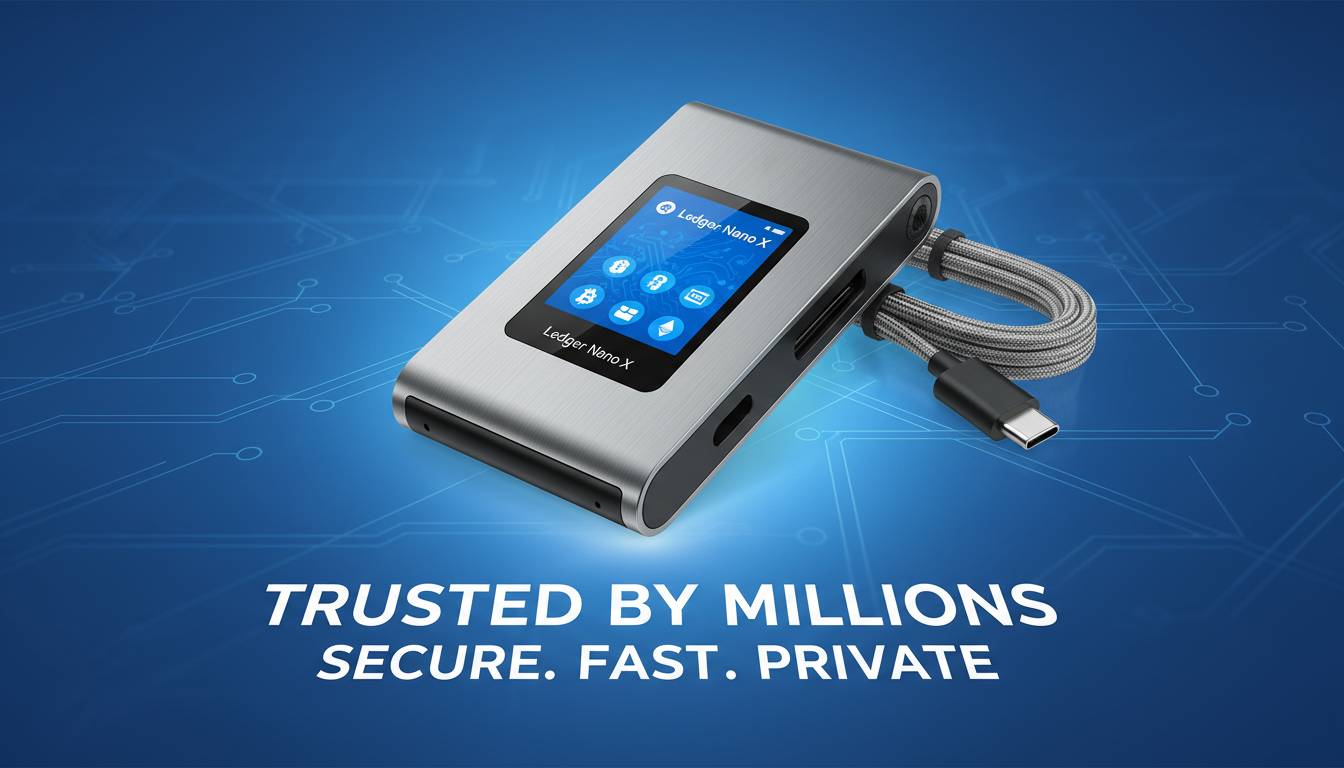
Ledger makes hardware wallets for investors who need serious security. The Ledger Nano X and Ledger Nano S Plus offer cold storage with Bluetooth connectivity, so you can manage your hardware wallet from a mobile device. You’ll pay more upfront than with software wallets, but the security is worth it if you’re holding significant value.
Trezor, from SatoshiLabs, is another solid hardware wallet option. The Trezor Model T has a touchscreen, while the Trezor One costs less but still offers strong security. Both are open-source, meaning the community can audit the code.
Security Features to Look For
Security matters because blockchain transactions can’t be reversed—once your funds are gone, they’re gone.
Most good wallets offer multi-factor authentication, which means you need more than just a password to access your account. This includes biometric authentication like fingerprint or facial recognition on mobile devices. For larger holdings, hardware security modules provide enterprise-grade protection.
Private key control is another key consideration. Self-custody wallets let you hold your own keys, so you don’t rely on a third party—but you’re responsible for keeping them safe. Custodial solutions (offered by some exchanges) hold keys for you, which makes recovery easier but means you’re exposed to platform risk.
Backup and recovery matter too. Wallet providers should give you clear procedures for recovering your wallet if you lose your device. This usually means a 12 or 24-word seed phrase. Some wallets now support social recovery, letting you designate trusted contacts who can help restore access.
Hot Wallets vs Cold Wallets
Hot wallets work well for active traders who need quick access to their funds. They’re connected to the internet, so you can make transactions immediately. The risk is exposure to hacking, phishing, and malware. Reputable hot wallet providers use encryption, multi-sig authentication, and real-time monitoring to reduce these risks.
Cold wallets—hardware devices—stay disconnected from the internet except when you intentionally connect them to sign a transaction. This air-gapped approach protects against remote attacks. If you’re holding significant value or planning to hold long-term, cold wallets offer better peace of mind.
Many experienced crypto users split the difference: most of their holdings in cold storage, smaller amounts in hot wallets for everyday needs.
Mobile vs Desktop Wallets
Mobile wallets let you manage your portfolio from anywhere using your smartphone. Modern mobile wallets use your camera for QR codes, send push notifications for transaction updates, and use biometrics for quick access. If you mainly use exchanges or need access on the go, mobile makes sense.
Desktop wallets run on your computer. They can offer more robust features and a bigger screen for complex interactions. Some users prefer managing everything from a dedicated home setup.
Cross-platform solutions are common now. You can start a transaction on one device and approve it on another, which adds security while keeping things accessible.
Fee Structures and Transaction Costs
Most wallets make money through spreads—the difference between buy and sell prices—rather than explicit transaction fees. This lets them offer free basic storage.
Network fees (called gas fees on Ethereum) go to blockchain validators for processing transactions. These fees change based on network congestion and how complex your transaction is. Some wallets provide fee estimation tools to help you time transactions wisely.
Hardware wallets cost more upfront but have lower ongoing expenses. If you have substantial holdings and plan to hold for years, the one-time purchase can be more economical.
How to Choose the Right Wallet for Your Needs
Pick a wallet based on your experience level, how often you trade, and how much risk you can handle.
Beginners should look for wallets with good customer support, educational resources, and simple interfaces. Integrated exchange features reduce the steps needed to go from fiat to crypto.
Active traders need wallets that make frequent transactions easy, with fast response times when opportunities arise.
Long-term holders should prioritize security over convenience. Hardware wallets are worth the extra hassle if you don’t need regular access.
DeFi users need wallets with good Web3 integration, broad network support, and easy connection to decentralized applications. MetaMask is the standard here.
Frequently Asked Questions
What is the best crypto wallet for beginners in 2024?
Coinbase Wallet and Exodus Wallet are beginner-friendly with intuitive interfaces, educational resources, and responsive customer support. Both make it easy to get started with your first crypto transactions.
Are crypto wallets safe?
Reputable wallets use encryption, multi-factor authentication, and hardware security modules. But you also need to practice good security habits: protect your recovery phrases, avoid suspicious links, and watch for phishing attempts.
Should I use a hot wallet or cold wallet?
It depends on what you’re holding and how active you are. Hot wallets are convenient for frequent trading. Cold storage is smarter for significant holdings you plan to hold long-term. Many people use both.
Do crypto wallets charge fees?
Most wallets don’t charge explicit fees for basic storage. Providers typically make money through spreads on trades or network fees for transactions. Hardware wallets cost money upfront but have lower ongoing expenses.
What is the best Bitcoin wallet?
For Bitcoin specifically, Ledger and Trezor hardware wallets offer excellent security. Exodus is a good software alternative if you prefer not to use a hardware device.
How do I transfer crypto between wallets?
Open your sending wallet, select the cryptocurrency and amount, enter the recipient’s wallet address, confirm the transaction details including network fees, then authorize. Always double-check the address carefully—transactions can’t be reversed. When sending to a new address for the first time, test with a small amount.