35Views 0Comments
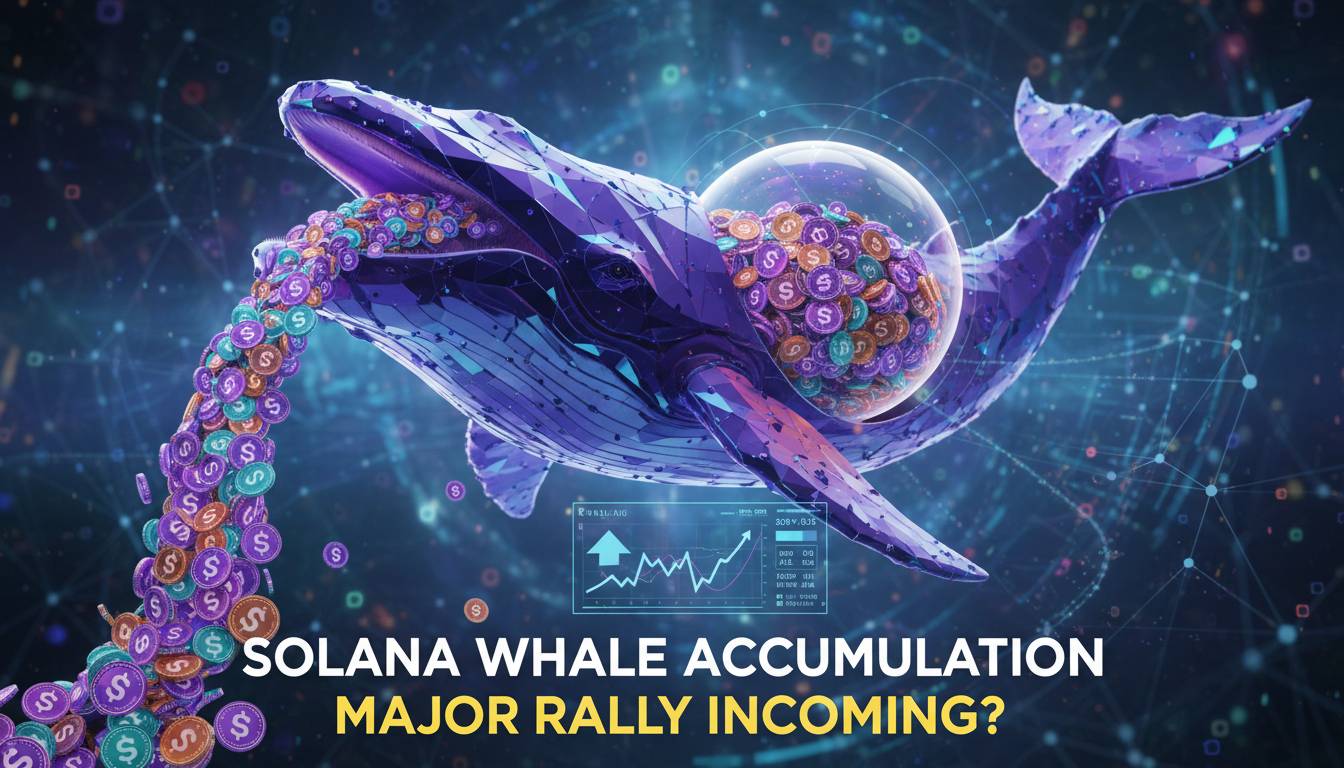
Solana Whale Accumulation Signals – Major Rally Incoming?
The cryptocurrency market is paying attention to Solana right now. On-chain data shows large wallet addresses accumulating SOL over the past several weeks, and multiple analytics platforms are reporting significant inflows into known whale wallets. This pattern has caught the eye of traders, because sustained whale accumulation has historically preceded notable price movements in SOL. Some analysts are suggesting a potential rally could be coming, though nobody can say for certain.
Whale accumulation happens when large crypto holders increase their positions in a particular asset. For Solana, these are wallet addresses holding significant quantities of SOL—typically defined as addresses holding more than 10,000 SOL or representing a substantial percentage of the total supply. On-chain analytics platforms track these wallets because their activity often serves as a barometer for market sentiment.
This becomes particularly noteworthy when multiple whale wallets begin accumulating at the same time, or when there’s a sustained period of net inflows into large addresses. Whales tend to have access to more sophisticated market analysis and longer investment horizons than retail traders. Their accumulation patterns have historically correlated with subsequent price appreciation, which makes their activity a useful signal—though certainly not a guarantee—of where the market might be heading.
Several key metrics matter when examining whale accumulation: the net change in large wallet holdings over time, the ratio of inflows versus outflows from whale addresses, how fast accumulation is happening, and the price levels at which whales are buying. Platforms like Birdeye, Defined, and Solscan provide real-time data on these metrics.
Current Market Data and Whale Activity
Looking at recent on-chain data, whale activity on Solana has been increasing. Over the past 30 days, multiple analytics platforms have reported consistent net inflows into wallets classified as “whale” addresses. The total SOL held by addresses with more than 10,000 tokens has increased by roughly 8% during this period, according to several independent tracking services.
The pattern has been most pronounced among addresses holding between 10,000 and 100,000 SOL. These mid-tier whale addresses have shown consistent buying behavior, with daily inflows exceeding outflows on most trading days. Larger addresses—those holding more than 1 million SOL—have also increased their accumulation in recent weeks, though their activity tends to be more sporadic and often involves strategic positioning rather than consistent buying.
Transaction data shows whale wallets executing large-scale purchases at price levels ranging from $95 to $120, suggesting these addresses are building positions across a range of prices rather than waiting for a specific entry point. This kind of distributed accumulation strategy is typical of sophisticated investors who want to reduce timing risk while building positions.
Solana’s total value locked in DeFi protocols has also grown, reaching approximately $8.5 billion according to DefiLlama. Increased DeFi activity often correlates with whale accumulation, since larger holders frequently use their SOL positions to participate in yield-generating activities across the ecosystem.
Historical Patterns and Price Correlation
Looking at historical data, there’s a notable correlation between sustained whale accumulation and subsequent price movements in SOL. During the bull market of 2021, significant whale accumulation preceded most major price rallies. On-chain data showed large wallets increasing their holdings in the months leading up to price peaks.
During the recovery period in early 2023, analytics platforms documented substantial whale accumulation in the $20-$40 price range before SOL experienced its subsequent rally. This pattern has led many analysts to view whale activity as a leading indicator of market direction.
The current accumulation phase shares characteristics with previous periods that preceded price appreciation. First, the duration of consistent net inflows has now exceeded four weeks, which aligns with the minimum timeframe that preceded previous rallies. Second, accumulation is occurring across multiple wallet sizes rather than being concentrated in a single tier, suggesting broad-based conviction among large holders. Third, the price levels at which accumulation is occurring align with previous resistance zones, indicating strategic positioning.
That said, correlation doesn’t imply causation, and past performance doesn’t guarantee future results. Market conditions, macroeconomic factors, and broader cryptocurrency sentiment all influence price movements in ways that whale activity alone can’t predict.
Implications for Different Stakeholders
The current whale accumulation pattern affects various participants in the Solana ecosystem differently. For retail investors and smaller SOL holders, whale activity can serve as a sentiment indicator that may inform investment decisions. However, experts caution against using whale activity as the sole signal for entering or exiting positions.
For validators and network participants, increased whale activity often correlates with greater network engagement and potentially higher staking participation. Large holders typically participate in Solana’s delegation system, and accumulation patterns can indicate future changes in the validator landscape.
For developers and projects building on Solana, whale accumulation may signal increased interest from sophisticated investors. This could translate to greater demand for Solana-based applications and potentially increased investment activity in the ecosystem.
Traders who specialize in on-chain analysis often incorporate whale activity data into their strategies. These traders typically set alerts for large transactions and monitor exchange flows to gauge potential market movements. However, successful implementation requires sophisticated tools and the ability to process large volumes of data in real-time.
How to Track Whale Activity on Solana
Several analytics platforms provide tools for monitoring whale accumulation on Solana. These platforms offer varying levels of functionality, from simple transaction alerts to comprehensive dashboards tracking wallet behavior over time.
Solscan provides detailed transaction data and wallet tracking, allowing users to monitor specific addresses and receive alerts for large movements. The platform’s explorer lets users examine the complete transaction history of any wallet address, though identifying wallet owners requires additional analysis.
Birdeye offers a comprehensive DeFi dashboard that includes whale wallet tracking, large transaction alerts, and accumulation metrics. The platform aggregates data from multiple sources, providing a unified view of whale activity across Solana.
Defined.pro specializes in on-chain analytics for Solana, offering tools specifically designed for tracking whale behavior. The platform provides historical accumulation data and real-time alerts for wallet movements meeting user-defined thresholds.
For more sophisticated analysis, Glassnode and CryptoQuant offer institutional-grade analytics that include whale accumulation metrics alongside broader market indicators. These platforms typically require subscriptions but provide more comprehensive data sets.
When using whale tracking tools, it’s important to understand their limitations. Not all large transactions represent accumulation—whales also move tokens for operational purposes, staking, or portfolio rebalancing. Additionally, wallet classification methods vary across platforms, meaning different services may report different whale activity levels.
Expert Analysis and Market Outlook
Market analysts have offered varying perspectives on what the current whale accumulation patterns might mean. Some analysts view the sustained inflows as a bullish signal, pointing to the historical correlation between whale activity and subsequent price movements. They note the current accumulation phase is occurring alongside broader cryptocurrency market recovery and improving sentiment toward Layer 1 blockchains.
Other analysts take a more cautious stance, emphasizing that whale activity alone doesn’t guarantee future price appreciation. These analysts point to the importance of broader market conditions, regulatory developments, and macroeconomic factors in determining price direction. They also note that whale wallets may have accumulated at lower price levels and could be distributing positions at current prices.
Technical analysts are examining price charts alongside on-chain data to identify potential support and resistance levels. Current analysis suggests SOL faces resistance around the $130 level, with support at previous accumulation zones near $95. How whale accumulation interacts with these technical levels will likely influence price action in the coming weeks.
The broader cryptocurrency market context remains important. Bitcoin’s performance, institutional adoption trends, and regulatory developments all influence market sentiment and can affect individual token performance.
Conclusion
The current phase of Solana whale accumulation is a notable development that warrants attention from investors and market participants. The consistent net inflows into large wallets over the past several weeks align with historical patterns that have preceded notable price movements. However, participants should view whale activity data as one input among many when making investment decisions.
The Solana network continues to demonstrate strong fundamentals, with growing DeFi activity and sustained developer engagement. These underlying factors, combined with observable whale accumulation, suggest continued interest in the ecosystem from sophisticated market participants.
For those interested in monitoring whale activity, various analytics platforms provide valuable tools for tracking large wallet movements. However, it’s essential to understand the limitations of on-chain data and to consider multiple factors when evaluating potential investment opportunities.
As always, investors should conduct their own research and consider their risk tolerance before making investment decisions based on whale activity or any other single data point. The cryptocurrency market remains highly volatile, and past patterns don’t guarantee future results.
Frequently Asked Questions
What is considered a whale wallet in Solana?
A whale wallet typically refers to addresses holding more than 10,000 SOL, though some platforms use higher thresholds like 100,000 SOL. These wallets represent significant portions of the total supply and their activity is closely monitored.
Is whale accumulation always a bullish signal?
No. While historical data shows correlation between whale accumulation and subsequent price movements, accumulation can also occur before distribution periods. Whales may accumulate at lower prices and sell at higher levels, making their activity complex to interpret.
How can I track Solana whale wallets?
You can use platforms like Solscan, Birdeye, Defined.pro, Glassnode, or CryptoQuant. These provide real-time data on large transactions, wallet balances, and accumulation patterns.
Does whale accumulation guarantee a price rally?
No. While there’s historical correlation, many factors influence cryptocurrency prices including broader market conditions, regulatory developments, and macroeconomic factors.
What timeframe should I monitor for whale accumulation signals?
Most analysts look at accumulation periods of at least four to six weeks to identify sustained whale activity. Shorter periods may represent temporary positioning rather than genuine accumulation conviction.
Are there risks to following whale activity signals?
Yes. Whale activity data can be delayed, wallet classification varies across platforms, and large transactions may serve purposes other than accumulation. Additionally, relying solely on on-chain data may cause investors to miss broader market context.