106Views 0Comments

Best Crypto Exchange USA – Trusted Platform for Trading
The US cryptocurrency market has matured significantly, with exchanges now competing on security, fee structures, and regulatory compliance rather than just listing the most tokens. Finding the best crypto exchange USA requires understanding what actually matters: regulatory standing in the United States, insurance protections, fee transparency, and whether the platform aligns with your trading goals—whether you’re a beginner buying your first Bitcoin or an active trader seeking advanced charting tools.
This guide evaluates the leading crypto exchanges available to US residents, comparing the factors that genuinely impact your trading experience and financial security.
What Defines a Trusted Crypto Exchange in the USA
Not all cryptocurrency exchanges operate under the same standards, and the difference matters enormously for your assets. A trusted platform for US traders must navigate a complex regulatory landscape involving the Securities and Exchange Commission (SEC), Commodity Futures Trading Commission (CFTC), and state-by-state money transmitter licensing requirements.
The most reliable US crypto exchanges share several characteristics worth examining before you commit your funds.
Regulatory Compliance
Legitimate US exchanges maintain licenses in as many states as possible, with BitLicense from New York’s Department of Financial Services representing particularly rigorous oversight. Coinbase operates in all 50 states, while Kraken maintains licenses across 48. This matters because unlicensed exchanges have historically frozen user funds with limited recourse for customers.
Coinbase held its initial public offering on the NASDAQ in April 2021, becoming the first major US crypto exchange to go public—an event requiring extensive SEC disclosure and audit. This public company status provides additional transparency that privately-held platforms cannot match.
Insurance and Asset Protection
The best crypto exchange USA options provide some form of asset protection, though the specifics vary significantly. Coinbase maintains crime insurance covering digital assets stored on their servers against theft from security breaches. However, this insurance does not protect against unauthorized access to individual accounts due to compromised credentials—making account security practices your personal responsibility.
Kraken stores 95% of digital assets in offline cold storage, dramatically reducing exposure to online attacks. Their custom-built hardware security modules have never been compromised.
Gemini holds SOC 1 Type 2 and SOC 2 Type 2 certifications, demonstrating independent verification of their security controls. They also maintain the largest cold storage insurance program in the industry, backed by global insurers.
Top Crypto Exchanges USA Residents Should Consider
Coinbase: The Industry Standard for Beginners
Coinbase remains the largest US cryptocurrency exchange by trading volume, serving over 100 million verified users globally. The platform’s primary strength lies in its accessibility—a clean, intuitive interface that makes buying crypto feel as straightforward as ordering products online.
The exchange supports over 250 cryptocurrencies, though availability varies by state. US users can trade major assets including Bitcoin, Ethereum, Solana, and Polygon alongside hundreds of altcoins. Their Coinbase Advanced Trade platform now offers lower fees and professional charting for those outgrowing the basic interface.
Fee Structure:
Coinbase employs a complicated fee schedule that combines spread margins with flat fees based on transaction size. Users paying with bank transfers or ACH typically see fees between 0.5% and 2%, while debit card purchases can reach 3.99%. Coinbase One, a $29.99 monthly subscription, eliminates trading fees for users executing over $200 in monthly trades—potentially valuable for active traders.
Security Features:
Two-factor authentication (2FA) via authenticator apps or hardware keys is available. The platform supports hardware wallet integration for users seeking maximum security. Account recovery processes include video verification to prevent social engineering attacks.
Who should use Coinbase:
Beginners prioritizing ease of use over fee optimization. Users wanting a simple mobile experience. Anyone valuing the stability of a publicly-traded, SEC-regulated company.
Kraken: Security-Focused Trading Excellence
Kraken has built its reputation on security fundamentals and competitive fee structures, attracting serious traders who understand the importance of protecting their assets. Founded in 2011, Kraken survived multiple market cycles while maintaining a security-first philosophy that has earned trust within the crypto community.
The platform offers over 220 trading pairs with particularly strong liquidity for Ethereum, Bitcoin, and numerous altcoins. Their staking services allow users to earn yields on holdings, with competitive APYs on assets like Ethereum 2.0 and Polkadot.
Fee Structure:
Kraken employs a maker-taker model with fees ranging from 0% to 0.26% depending on trading volume. Most US users qualify for fees below 0.40% after modest trading activity. This represents significant savings compared to Coinbase for anyone trading more than a few hundred dollars monthly.
Security Features:
Kraken has never experienced a successful hack resulting in lost user funds—an remarkable record spanning over a decade. They employ distributed architecture, hardware security modules, and rigorous penetration testing. Two-factor authentication supports hardware security keys, the gold standard for account protection.
Who should use Kraken:
Active traders prioritizing security and lower fees. Users seeking staking rewards. Anyone wanting professional-grade tools without the complexity of offshore platforms.
Gemini: Maximum Regulatory Compliance
Gemini was founded in 2014 by the Winklevoss twins—famous for their early Bitcoin investment and role in Facebook’s founding—with a specific mission: build the most compliant cryptocurrency exchange in the world. This philosophy manifests in extensive security certifications and proactive regulatory engagement.
The exchange operates in all 50 US states and maintains licenses in New York, the UK, and other jurisdictions. Their commitment to regulatory compliance makes Gemini particularly attractive to users concerned about legal clarity and institutional-grade custody solutions.
Fee Structure:
Gemini’s fee structure simplifies compared to Coinbase, with fees ranging from 0.35% to 1.49% depending on payment method and order size. The ActiveTrader fee schedule offers competitive rates for high-volume traders, with maker fees as low as 0.2% for significant monthly volumes.
Security Features:
Beyond SOC 2 certifications, Gemini maintains the largest cold storage insurance program in cryptocurrency, providing coverage significantly exceeding typical exchange protections. They were the first exchange to complete a SOC 2 Type 2 examination and publish the results publicly.
Who should use Gemini:
Users prioritizing regulatory compliance and insurance protections. Institutional investors or high-net-worth individuals. Anyone wanting transparent, independently audited security practices.
Binance.US: Lowest Fees with Trade-Offs
Binance.US operates as the American arm of the world’s largest cryptocurrency exchange by volume. This relationship provides access to massive liquidity and an extraordinary selection of trading pairs—currently over 100 cryptocurrencies available to US users.
The primary advantage is fee competitiveness. Binance.US consistently offers the lowest trading fees among major US platforms, making it attractive for cost-conscious traders comfortable with slightly less regulatory oversight than fully US-based competitors.
Fee Structure:
Trading fees range from 0% to 0.60% depending on trading volume, with most users paying under 0.10%. This represents potential savings of 50-80% compared to Coinbase for active traders. Deposit and withdrawal fees vary by method but remain competitive.
Security Features:
Binance.US employs similar security architecture to its parent company while operating under American jurisdiction and US regulatory requirements. Two-factor authentication, address whitelisting, and anti-phishing codes provide standard protections. However, the platform has faced SEC scrutiny regarding registration status.
Who should use Binance.US:
Fee-sensitive traders prioritizing cost over regulatory visibility. Users seeking the widest selection of altcoins. Experienced traders comfortable navigating a more complex interface.
Comparing Key Features Across Platforms
| Exchange | Supported Cryptos | Trading Fees | US Regulatory Status | Best For |
|---|---|---|---|---|
| Coinbase | 250+ | 0.5-3.99% | Fully regulated, public company | Beginners, ease of use |
| Kraken | 220+ | 0-0.26% | Fully regulated, 48 states | Active traders, security |
| Gemini | 100+ | 0.35-1.49% | Fully regulated, all 50 states | Compliance priority |
| Binance.US | 100+ | 0-0.60% | SEC-registered, ongoing scrutiny | Low fees, altcoin variety |
How to Choose the Right Exchange for Your Needs
Selecting among these platforms requires honest assessment of your priorities and experience level. The best crypto exchange USA isn’t universally defined—it depends entirely on your specific situation.
Assess Your Trading Volume and Frequency
If you plan to buy small amounts occasionally, fee differences matter less than user experience. Coinbase’s higher fees become problematic primarily for frequent traders or those moving significant capital. Calculate whether premium convenience justifies costs for your anticipated activity level.
Consider Your Asset Goals
Are you primarily holding Bitcoin and Ethereum, or do you want access to emerging altcoins? Binance.US and Kraken offer more extensive altcoin selections than Gemini. However, if you want institutional-grade compliance for substantial holdings, Gemini’s insurance and certifications may outweigh selection limitations.
Evaluate Technical Requirements
Novice traders benefit from Coinbase’s straightforward mobile app, while Kraken and Binance.US offer advanced charting, margin trading, and futures that require understanding to use safely. Choose a platform matching your current expertise and growth trajectory.
Security Versus Convenience Trade-offs
The most secure platforms sometimes require more setup effort—hardware wallet integration, whitelisted withdrawal addresses, and hardware 2FA keys. If you’re holding life-changing sums, accept the inconvenience. If you’re experimenting with amounts you’re comfortable losing, streamlined access may matter more.
Security Best Practices Regardless of Platform Choice
Even the most secure exchange cannot protect against user error. Implementing proper security practices dramatically reduces your risk of losing assets to hacks or fraud.
Enable two-factor authentication using an authenticator app like Google Authenticator or Authy rather than SMS, which remains vulnerable to SIM-swapping attacks. Hardware security keys like YubiKey provide the strongest available protection for accounts supporting them.
Never keep substantial holdings on exchanges. Transfer significant holdings to hardware wallets like Ledger or Trezor, which store private keys offline. Only maintain trading balances on exchanges.
Use unique, complex passwords stored in password managers rather than memorable passwords that could be guessed or leaked from other services. Enable account alerts for all login and withdrawal activity.
Be cautious of phishing attempts. Legitimate exchanges will never ask for your password or private keys via email, text, or phone. Verify URLs carefully—malicious sites often use slight misspellings appearing similar to legitimate domains.
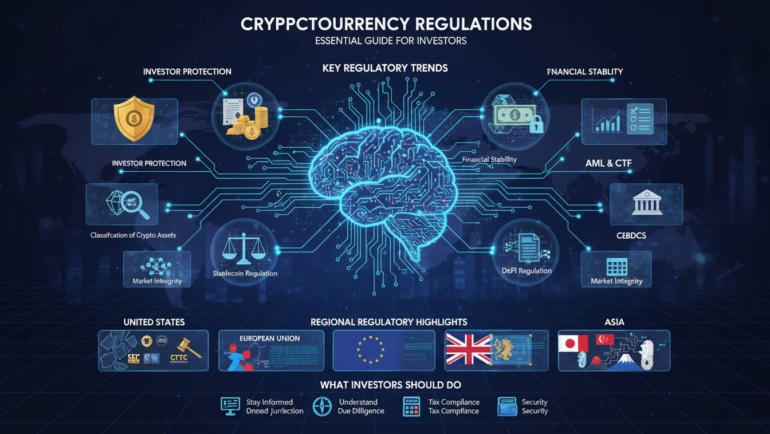
The Regulatory Landscape and What It Means for Users
The US regulatory environment for cryptocurrency exchanges remains complex and evolving. Multiple federal agencies claim jurisdiction over different aspects of crypto operations, and state requirements vary significantly.
The SEC has taken enforcement actions against several exchanges for operating unregistered securities exchanges, though the legal boundaries continue developing. Binance.US has faced SEC scrutiny regarding its registration status, creating uncertainty for users preferring the platform’s fee structure.
This regulatory pressure benefits users of compliant platforms like Coinbase, Kraken, and Gemini—these exchanges have invested heavily in legal teams and licensing, passing those costs along through slightly higher fees but providing greater peace of mind.
The emergence of regulated crypto ETPs (exchange-traded products) from providers like Grayscale and BlackRock suggests continued institutional acceptance of cryptocurrency as an asset class, with regulatory clarity likely improving over the coming years.
Frequently Asked Questions
Which crypto exchange is best for beginners in the USA?
Coinbase offers the most beginner-friendly experience with its intuitive mobile app, instant purchase options, and straightforward fee structure visible before transactions. The platform guides new users through buying their first cryptocurrency with educational content and clear explanations.
Are US crypto exchanges safe from hacking?
No exchange can guarantee absolute security, but leading US platforms like Kraken have never lost user funds to hacks through over a decade of operation. Coinbase, Gemini, and Kraken employ cold storage, insurance programs, and security certifications that significantly reduce risk compared to unregulated alternatives.
Can I use Binance in the USA?
Binance.US is a separate platform operated specifically for American users under US jurisdiction. It offers lower fees than competitors but operates under ongoing SEC scrutiny. Regular Binance does not serve US residents and blocks American IP addresses.
What fees should I expect when trading crypto in the USA?
Trading fees range from 0% to 3.99% depending on the exchange, payment method, and trading volume. Bank ACH transfers typically incur lower fees than debit card purchases. Withdrawal fees vary by cryptocurrency and network conditions, with Bitcoin withdrawals often costing $1-10 depending on congestion.
Do I have to pay taxes on crypto gains in the USA?
Yes, the IRS treats cryptocurrency as property, requiring capital gains reporting on sales and trades. Exchanges like Coinbase provide tax reports including Form 1099 for certain users. Failure to report crypto gains can trigger audits and penalties.
What’s the difference between a crypto exchange and a wallet?
Exchanges like Coinbase and Kraken are platforms for buying, selling, and trading cryptocurrencies—they hold your assets on their servers. Wallets are software or hardware that give you direct control of your private keys. For security, many users transfer assets from exchanges to personal wallets after purchasing.
Conclusion
Finding the best crypto exchange USA involves balancing security, fees, selection, and regulatory standing according to your individual priorities. Coinbase excels for beginners prioritizing ease of use. Kraken offers the strongest security track record and competitive fees for serious traders. Gemini provides maximum regulatory compliance for users wanting institutional-grade protections. Binance.US delivers the lowest costs and widest altcoin selection for experienced traders comfortable with regulatory uncertainty.
Whatever platform you choose, remember that exchange security complements but never replaces personal security practices. Keep substantial holdings in hardware wallets, enable robust two-factor authentication, and remain vigilant against phishing attempts. The cryptocurrency market rewards careful participants—start with a trusted platform, maintain good security habits, and focus on long-term fundamentals rather than short-term speculation.