232Views 0Comments
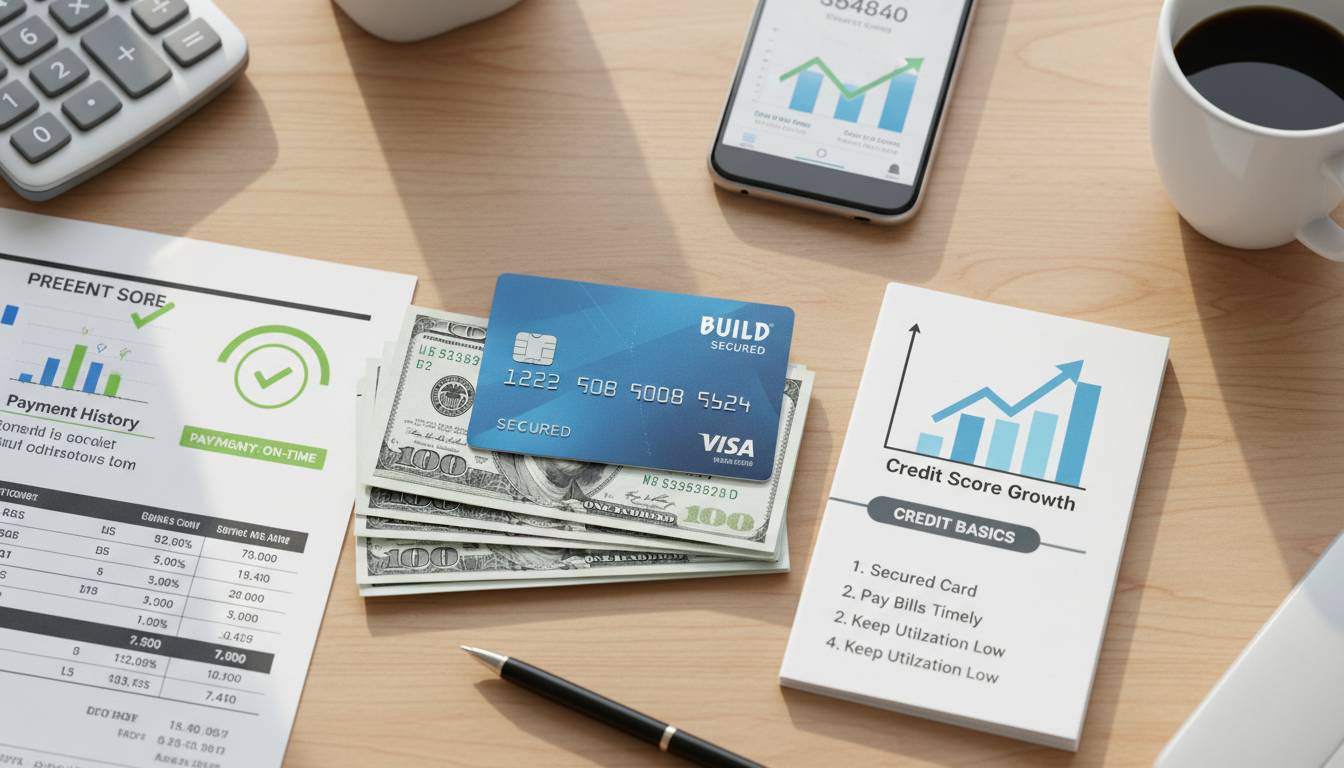
Article about how to build credit score fast
Your credit score touches nearly every major financial decision you make—from securing a mortgage with a favorable interest rate to landing that dream apartment or even getting approved for a cell phone plan. Yet nearly one-third of Americans have never checked their credit score, and millions more struggle to understand how to improve it. The good news: you don’t need years of waiting to see meaningful improvement. With the right strategies, you can significantly boost your credit score in months rather than decades.
This guide breaks down exactly how credit scores work, which actions move the needle fastest, and which common mistakes to avoid. Whether you’re starting from scratch or recovering from financial setbacks, you’ll find actionable steps backed by data and expert insight.
What Actually Determines Your Credit Score
Before chasing a higher number, you need to understand what lenders actually see when they pull your credit report. Both FICO and VantageScore—the two dominant credit scoring models—weight several factors differently, but the core components remain consistent across both systems.
Payment History accounts for approximately 35% of your FICO score, making it the single most influential factor. Lenders want reassurance that you’ll pay them back on time, and late payments, collections, and bankruptcies stay on your report for years.
Credit Utilization comprises about 30% of your score. This measures how much of your available credit you’re using. Financial experts consistently recommend keeping utilization below 30%, with many recommending an even tighter target of below 10% for optimal scoring.
Length of Credit History contributes roughly 15% to your score. This considers how long your accounts have been open and your activity across those accounts. Older accounts demonstrate stability, which is why closing old credit cards can actually hurt your score.
Credit Mix makes up about 10% of your score. Having diverse account types—credit cards, installment loans, mortgages—can positively impact your score by showing you can manage different types of debt responsibly.
New Credit accounts for the final 10%. Each application triggers a hard inquiry, which can temporarily ding your score. Applying for multiple credit lines in a short period signals risk to lenders.
| Factor | Weight (FICO) | What It Means |
|---|---|---|
| Payment History | 35% | Pay all bills on time |
| Credit Utilization | 30% | Keep balances low vs. limits |
| Length of History | 15% | Older accounts help more |
| Credit Mix | 10% | Diverse accounts matter |
| New Credit | 10% | Limit new applications |
The Fastest Ways to Boost Your Credit Score Immediately
Some credit-building strategies work faster than others. If you’re looking for quick wins that can improve your score within 30 to 90 days, start with these high-impact actions.
Dispute Errors on Your Credit Report
The Federal Trade Commission estimates that one in five consumers has an error on their credit report. These errors—incorrect late payments, accounts that don’t belong to you, outdated balances—can drag down your score unnecessarily. Request free copies of your credit reports from AnnualCreditReport.com and carefully review each section. Dispute any inaccuracies with the credit bureaus; the process typically takes 30 to 45 days, and successful disputes can result in immediate score improvements of 20 points or more.
Become an Authorized User
If you have a family member or spouse with good credit, becoming an authorized user on their credit card can boost your score rapidly. You don’t even need to use the card—their payment history and credit age “piggyback” onto your profile. This strategy works particularly well for young adults building credit for the first time and can show results within one to two billing cycles.
Request Credit Limit Increases
Asking your current credit card issuers for higher limits can lower your utilization ratio without requiring you to pay down debt. This only works if you don’t increase your spending to match the new limit. Most issuers allow you to request increases online or through their customer service app, and approvals often come within days.
Pay Down Balances Strategically
If you carry credit card balances, prioritize paying down cards closest to their limits first. A card with a $500 balance on a $1,000 limit shows 50% utilization—worse for your score than a $500 balance on a $5,000 limit (10% utilization). This “nesting doll” payoff strategy maximizes your score improvement per dollar paid.
Make Multiple Payments Per Month
Instead of waiting for your monthly statement to close, make payments throughout the billing cycle to keep reported balances low. Most issuers report your balance at the end of your billing cycle, so paying down balances before that date results in lower utilization appearing on your credit report.
Intermediate Strategies for Faster Credit Growth
Once you’ve handled the basics, these next-level strategies can accelerate your progress from “fair” to “good” or “good” to “excellent” credit.
Secured Credit Cards
If you have limited or damaged credit, secured credit cards offer a pathway to rebuild. These cards require a cash deposit (typically $200 to $500) that becomes your credit limit. Use the card responsibly—making small purchases and paying the full balance each month—and most issuers will convert you to an unsecured card within 12 to 18 months, returning your deposit and typically increasing your limit.
Credit-Builder Loans
Credit-builder loans, offered by credit unions and some community banks, work differently than traditional loans. The lender holds the loan amount in a savings account while you make monthly payments. You don’t receive the money until you’ve paid off the loan, but your timely payments are reported to credit bureaus, establishing payment history and adding an installment account to your credit mix.
Alternative Data
Rent payments, utility bills, and phone contracts typically don’t appear on traditional credit reports—but they can now. Services like Experian Boost allow you to add positive rent and utility payment history to your FICO score. This benefits thin-file consumers who haven’t yet established enough traditional credit history for robust scoring.
| Strategy | Time to Impact | Best For |
|---|---|---|
| Error Disputes | 30-45 days | Anyone with inaccuracies |
| Authorized User | 1-2 cycles | New credit builders |
| Secured Card | 3-6 months | Damaged or thin credit |
| Credit-Builder Loan | 6-12 months | Building installment history |
| Alternative Data | 1-2 cycles | Thin-file consumers |
Advanced Tactics for Maximum Credit Score Gains
Once you’ve established solid credit habits, these sophisticated strategies can push your score toward the 800+ range that qualifies for the best interest rates and lending terms.
Thin-File vs. Thick-File Strategies
Consumers with fewer than five accounts have “thin” credit files, which limits scoring accuracy. Adding two to three more accounts—a mix of credit cards and installment loans—can significantly improve scoring for thin-file consumers. However, those with “thick” files (five or more accounts) should focus on maintaining existing relationships rather than adding more, as new accounts shorten average credit age.
The 1% Rule for Utilization
While the general recommendation is keeping utilization below 30%, achieving near-perfect scores often requires keeping reported balances at 1% or lower. This doesn’t mean carrying a zero balance—credit cards actually perform best when used lightly and paid in full. A tiny reported balance demonstrates active use without signaling financial stress.
Timing Credit Applications Strategically
Hard inquiries remain on your credit report for two years but only impact your score for approximately 12 months. When applying for major credit (mortgages, auto loans), minimize other credit applications in the six months preceding your application. For score optimization, space out credit card applications by at least three to six months.
Geographic and Industry Considerations
Some industries and regions show higher average credit scores. According to Experian’s 2024 data, the states with highest average credit scores include Minnesota, Wisconsin, and New Hampshire (averaging 740+), while states like Mississippi, Louisiana, and Alabama average significantly lower. While you can’t change where you live, understanding these benchmarks helps contextualize your progress.
Mistakes That Actually Hurt Your Credit
Many credit-building efforts backfire because of common misconceptions. Avoiding these mistakes proves just as important as taking positive action.
Closing Old Credit Cards
Closing a credit card doesn’t remove it from your credit report—it actually hurts your score by reducing your total available credit and eliminating that account’s credit history from your averages. If you must close an account, choose your newest cards rather than your oldest ones.
Carrying Balances to “Build Credit”
Carrying a balance from month to month does absolutely nothing to improve your credit score. What matters is your reported utilization and payment history, not whether you pay interest. In fact, carrying balances increases your utilization ratio and costs you money in interest—pure downside with no scoring benefit.
Applying for Too Much Credit Too Fast
Each application generates a hard inquiry, and multiple applications signal desperation to lenders. Rate shopping for a single loan (mortgage, auto) within a 14-day window counts as one inquiry under most scoring models, but applying for multiple credit cards simultaneously will drop your score noticeably.
Checking Your Own Credit
Contrary to popular belief, checking your own credit score does not hurt your score. This is a “soft inquiry” versus the “hard inquiries” that lenders generate. Feel free to monitor your score regularly through services like Credit Karma, NerdWallet, or your bank’s credit monitoring tools.
Expert Insights: What Credit Pros Actually Recommend
We spoke with credit industry professionals to get their takes on effective credit-building strategies in today’s environment.
“The single most important thing anyone can do is set up automatic payments for at least the minimum due on all their accounts. Life gets busy, and one late payment can undo months of progress. Automation is your safety net.”
— R.J. Weiss, Certified Financial Planner and founder of The Ways to Wealth“I see consumers obsess over getting to 850—the perfect score—while ignoring that moving from 620 to 720 often saves them $100,000 or more over a mortgage lifetime. The marginal gains above 780 rarely justify the stress.”
— Teddy G. Shapiro, Consumer Finance Attorney and former CFPB advisor“Secured cards work, but the secret is calling your issuer after six months of on-time payments and asking about product upgrades. Many consumers don’t realize this is possible—they just keep paying the annual fees on cards they’ve outgrown.”
— Charlene Sabile, Senior Editor at The Ascent (The Motley Fool)
| Expert | Key Advice | Source |
|---|---|---|
| R.J. Weiss | Automate minimum payments | The Ways to Wealth |
| Teddy Shapiro | Focus on meaningful score jumps | CFPB Advisor |
| Charlene Sabile | Request secured card upgrades | The Motley Fool |
Frequently Asked Questions
How long does it take to build a credit score from 0 to 700?
Building a credit score from nothing to 700 typically takes 12 to 24 months of consistent, on-time payments and low credit utilization. However, you can often reach the 600-650 range within six months by becoming an authorized user on an established account and using a secured credit card responsibly.
Does paying off a credit card balance to $0 hurt my credit score?
No, paying your full balance each month does not hurt your credit score. In fact, it’s the ideal behavior. Your credit score rewards low utilization and on-time payments—paying in full achieves both. Just ensure some minimal balance reports (even $1) rather than zero, as some scoring models interpret $0 as “no credit use.”
Can I build credit without a credit card?
Yes, you can build credit without traditional credit cards. Options include credit-builder loans, becoming an authorized user on someone else’s account, reporting rent payments through services like Experian Boost, and taking out installment loans (auto loans, personal loans) and making on-time payments.
How many points will my credit score increase per month?
Credit score increases vary significantly based on your starting point and actions taken. Consumers recovering from negative marks (late payments, collections) often see 20-50 point increases monthly during the first few months of consistent improvement. Those with already-good credit typically see smaller, steadier gains of 5-15 points per month.
Does getting a new credit card lower your score?
Yes, applying for a new credit card causes a small, temporary drop—typically 3-7 points—due to the hard inquiry. However, if the new card increases your total available credit and you keep balances low, your score often recovers within 1-3 months and may exceed its previous level.
What’s the fastest way to raise my credit score by 100 points?
The fastest path to a 100-point increase typically involves disputing errors on your credit report (which can yield immediate results), becoming an authorized user on a high-limit account with perfect payment history, and paying down credit card balances to reduce utilization below 10%. Combining these strategies can yield 100+ point improvements within 60-90 days.
Building Credit Is a Marathon, Not a Sprint
Improving your credit score requires patience and consistency, but the strategies outlined above can produce meaningful results far faster than waiting for time alone to heal your credit history. Start with the quick wins—disputing errors and lowering utilization—and build toward more sophisticated strategies as your score improves.
Remember that every point matters, but you don’t need a perfect 850 score to unlock favorable financial terms. Moving from fair to good credit can save you tens of thousands of dollars in interest over your lifetime. Focus on the fundamentals: pay every bill on time, keep credit card balances low relative to your limits, and monitor your progress regularly.
Your credit score is a reflection of your financial behavior over time. By making smart choices consistently, you’ll not only build a stronger score—you’ll build a foundation for lasting financial health.