12Views 0Comments
Play to Earn: Best Blockchain Games That Actually Pay Real Money
The play-to-earn (P2E) gaming revolution has transformed how millions of gamers worldwide view digital entertainment. What started as a niche concept has evolved into a multi-billion dollar ecosystem where players earn cryptocurrency, NFTs, and real cash rewards for their time and skill. Unlike traditional gaming where publishers capture all value, blockchain games redistribute earnings to the player community.
However, the P2E landscape remains notoriously volatile. Thousands of projects have launched, but only a handful have demonstrated sustainable economic models. This guide examines the blockchain games that have proven track records of paying real money, analyzes how they generate revenue, and provides actionable strategies for maximizing your earnings potential.
Key Insights
– Top P2E games have paid out over $4 billion in crypto rewards collectively
– Axie Infinity remains the highest-grossing P2E game with $1.3 billion in lifetime revenue
– Move-to-earn games saw 1,200% user growth in 2022 before market correction
– Most sustainable games combine gameplay quality with tokenomics designed for long-term value retention
Understanding Play-to-Earn Economics
Before exploring specific games, understanding how P2E economics function is essential. Blockchain games typically generate revenue through multiple streams, with a portion redistributed to players.
Revenue Models in P2E Gaming
| Model | Description | Player Earning Potential |
|---|---|---|
| GameFi | In-game token rewards for completing tasks | Daily token emissions |
| NFT Trading | Buying, selling, and breeding in-game assets | Market appreciation + trading fees |
| Marketplace Fees | Secondary sales of virtual items | 2-15% of each transaction |
| Staking Rewards | Locking tokens to support network | APY ranging from 5-200% |
| Competition | Tournaments and leaderboards | Prize pools often in thousands |
The critical distinction between sustainable and unsustainable P2E games lies in their ability to generate external revenue. Games relying solely on new player influx to pay existing players follow a pyramid structure destined for collapse. Successful games like Axie Infinity and The Sandbox have developed robust economies where real demand—outside speculation—drives value.
Tokenomics Fundamentals
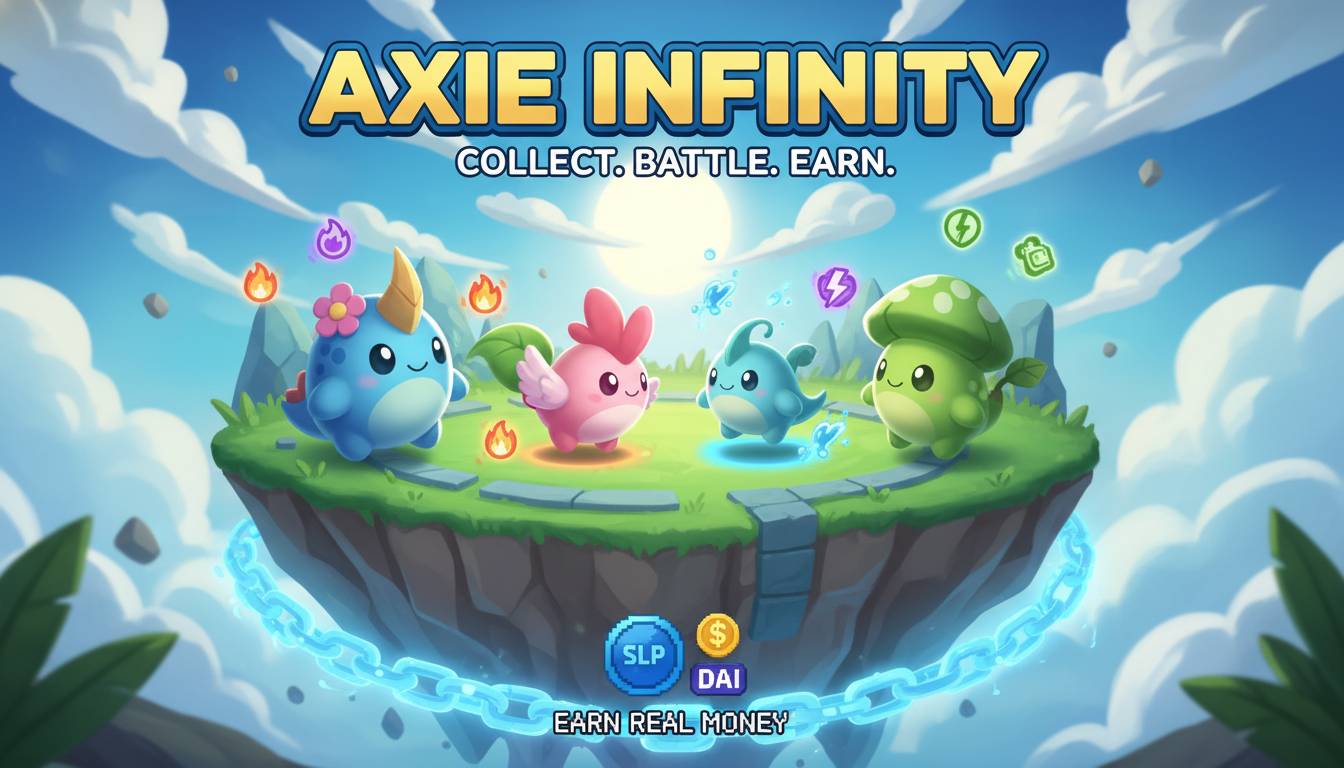
Each P2E game typically operates dual-token systems: a governance token for long-term value and a in-game currency for daily transactions. Axie Infinity exemplifies this with SLP (Smooth Love Potion) for breeding and AXS for governance and staking. Understanding token utility helps players identify games with genuine economic foundations versus those promising unrealistic returns.
The play-and-earn model differs fundamentally from traditional gaming. Rather than purchasing games upfront or tolerating microtransactions, players invest in game assets—characters, land, or equipment—that appreciate or generate yields. This investment carries substantial risk. Game tokens have experienced 80-95% value declines during bear markets, and several prominent P2E games have collapsed entirely.
Top Blockchain Games Paying Real Money in 2024
After analyzing dozens of P2E platforms based on active user counts, token liquidity, payment history, and gameplay quality, these games demonstrate the strongest track records.
Axie Infinity
Status: Active | Platform: Ronin/Ethereum | Token: AXS, SLP
Axie Infinity pioneered the play-to-earn movement and remains its most recognized title. Players collect, breed, and battle fantasy creatures called Axies, earning Smooth Love Potion (SLP) tokens through daily quests and arena battles. The game has distributed over $1.2 billion in player rewards since launch.
The entry barrier requires purchasing three Axies, with prices ranging from $30-300 depending on attributes and rarity. Scholarship programs connect investors (managers) with players who receive Axie access in exchange for sharing earnings—typically 70-80% to players, 20-30% to managers.
Earning Potential: Active players report earning 200-500 SLP daily, translating to $5-25 at current prices. Managers investing in scholarship teams can earn 15-30% monthly returns on Axie purchases, though this varies significantly with token volatility.
Pros:
– Established market with proven payout history
– Large player community providing liquidity
– Scholarship programs reduce entry barriers
Cons:
– High initial investment for independent play
– Token value highly volatile
– Gameplay can become repetitive
StepN
Status: Active | Platform: Solana | Token: GMT, GST
StepN revolutionized P2E through move-to-earn mechanics. Players purchase virtual sneakers (NFTs) and earn Green Satoshi Tokens (GST) by walking, jogging, or running outdoors. The game tracks movement through smartphone GPS, converting physical activity into cryptocurrency rewards.
Sneaker NFTs range from $100 to several thousand dollars depending on rarity and stats. Players must maintain energy levels by spending GST on repairs and upgrades, creating a balanced economic loop where earnings depend on consistent activity.
Earning Potential: Players report earning 50-300 GST daily, worth $10-60 at peak prices. However, maintenance costs—shoe repairs, mints, and upgrades—significantly impact net earnings. The break-even period varies dramatically based on sneaker quality and market conditions.
Pros:
– Rewards physical activity rather than screen time
– Clear correlation between effort and earnings
– Strong community and social features
Cons:
– Significant upfront NFT investment required
– Geographic restrictions in some regions
– High energy costs can exceed earnings during low token prices
The Sandbox
Status: Active | Platform: Ethereum | Token: SAND
The Sandbox operates as a user-generated metaverse where players create, own, and monetize their gaming experiences. Users purchase LAND parcels to build experiences, games, or social spaces, then monetize through advertisements, NFT sales, or creating experiences for other users.
Unlike combat-focused P2E games, The Sandbox emphasizes creativity and social experiences. Major brands including Adidas, Gucci, and Atari have established virtual presence, creating employment opportunities for creators and developers within the platform.
Earning Potential: LAND prices range from $1,500 to $50,000+ depending on location and size. Successful creators report earning $1,000-10,000 monthly through asset sales and experience monetization, though this requires significant creative investment.
Pros:
– Multiple revenue streams (creation, trading, hosting)
– Brand partnerships create real economic activity
– Lower risk of token collapse compared to pure gaming tokens
Cons:
– Significant time investment before profitability
– Requires creative or technical skills
– LAND prices have declined 70%+ from 2021 peaks
Illuvium
Status: Active | Platform: Ethereum | Token: ILV
Illuvium combines open-world exploration with auto-battler mechanics in a visually stunning environment built on Unreal Engine 5. Players capture mystical creatures called Illuvials through combat, with rarer variants commanding substantial market values.
The game launched its IlluviDex marketplace, enabling trading of captured Illuvials as NFTs. Unlike games requiring immediate investment, players can progress through initial gameplay without purchases, though NFT acquisition enhances earning potential.
Earning Potential: Players can earn ILV through trading fees, referrals, and seasonal competitions. The marketplace has facilitated over $100 million in trades, with rare Illuvials selling for tens of thousands of dollars.
Pros:
– AAA-quality graphics and gameplay
– No mandatory purchase to start playing
– Strong development team with transparent roadmap
Cons:
– Still in beta with limited earning opportunities
– High gas fees on Ethereum network
– Extended development timeline
Splinterlands
Status: Active | Platform: Hive/Solana | Token: SPS, DEC
Splinterlands offers a digital trading card game with blockchain integration, emphasizing strategic gameplay over financial speculation. Players build decks from hundreds of cards with varying abilities, competing in ranked matches and tournaments for cryptocurrency rewards.
The game operates on Hive and Solana blockchains, offering low transaction costs compared to Ethereum-based alternatives. Daily quests, season rewards, and tournament prizes provide multiple income streams for dedicated players.
Earning Potential: Active players report earning 50-500 SPS monthly through gameplay, with top tournament performers winning thousands in prizes. Cards appreciate based on rarity and gameplay utility, providing additional investment returns.
Pros:
– Strategic gameplay appeals to traditional gamers
– Low entry cost (starter packs under $10)
– Established since 2018 with proven longevity
Cons:
– Competitive environment requires skill development
– Token value has declined significantly from all-time highs
– Learning curve for optimal deck building
Risk Assessment and Investment Considerations
P2E gaming carries substantial financial risks that prospective players must fully understand before investing time or capital.
Market Volatility
Cryptocurrency prices fluctuate dramatically. The total P2E market cap peaked at approximately $40 billion in late 2021 before declining over 90% through 2022. Games that appeared economically sustainable collapsed when token prices crashed. Axie Infinity’s SLP token lost 98% of its value from peak, transforming profitable players into those struggling to recover initial investments.
Platform Stability
Research indicates that 75% of P2E games launched in 2021-2022 have ceased operations or abandoned token reward systems. Before investing, examine team credentials, token distribution (avoid teams holding excessive supply), and whether external revenue streams exist beyond new player recruitment.
Regulatory Uncertainty
Cryptocurrency regulations remain uncertain globally. Several jurisdictions have restricted or banned P2E gaming, and future regulatory actions could limit withdrawal options or render certain tokens worthless. Players should consult local regulations before participating.
Practical Risk Mitigation
| Strategy | Implementation |
|---|---|
| Invest only disposable income | Never use rent, food, or emergency funds |
| Research tokenomics thoroughly | Avoid games with hyperinflationary token models |
| Start small | Test with minimal investment before scaling |
| Diversify across games | Don’t concentrate all earnings in single token |
| Withdraw profits regularly | Don’t let earnings accumulate in volatile tokens |
Strategies for Maximizing P2E Earnings
Success in play-to-earn gaming requires strategic approaches beyond simply playing.
Scholarship Models
For games requiring initial NFT purchases, scholarship arrangements provide entry without substantial capital. Players receive game assets in exchange for sharing earned tokens. Platforms like Yield Guild Games and Merit Circle connect investors with players globally, though competition for scholarship positions remains intense.
Time Optimization
Calculate effective hourly earnings by dividing total earnings by time invested, including gameplay, maintenance tasks, and market monitoring. Many players discover their actual hourly rate falls below minimum wage when accounting for all activities.
Early Adoption
New game launches often feature generous reward structures before token emissions decrease. Early participants in successful games have realized substantial returns, though identifying promising launches requires research and timing.
Trading and Flipping
Beyond gameplay earnings, trading in-game assets during price fluctuations can generate significant returns. Purchasing underpriced NFTs and reselling during demand spikes requires market knowledge but carries lower risk than token speculation.
Frequently Asked Questions
Which blockchain game has paid out the most money to players?
Axie Infinity holds the record with over $1.2 billion in player rewards distributed since its 2018 launch. The game pioneered scholarship models that enabled players worldwide to earn substantial income, though current earnings have decreased significantly from peak periods.
Can you actually make money playing blockchain games without investing?
Yes, but opportunities are limited. Scholarship programs provide game assets in exchange for shared earnings, requiring no upfront capital. Splinterlands and Illuvium allow initial gameplay without purchases. However, “free-to-play” players typically earn significantly less than those investing in game assets.
Are P2E games legal in the United States?
Play-to-earn games exist in regulatory gray areas in the US. The SEC has indicated that game tokens may qualify as securities, though enforcement has focused primarily on initial token offerings rather than ongoing gameplay. Players should consult tax professionals, as the IRS treats cryptocurrency earnings as taxable income.
What is the safest P2E game to start with?
Splinterlands offers the lowest barrier to entry with starter packs under $10 and no mandatory investment to begin playing. Its trading card format provides strategic depth while minimizing financial speculation. However, no P2E game is entirely risk-free, and players should expect to lose their entire investment.
How do I avoid P2E scams?
Avoid games promising guaranteed returns, those with anonymous development teams, and projects with excessive token supply inflation. Legitimate games have transparent tokenomics, publicly verifiable team members, and clear utility for their tokens beyond speculation. Research thoroughly before investing time or money.
What happens to my earnings if a game shuts down?
When P2E games close, game tokens and often NFTs become worthless. Unlike traditional games where purchased items may retain sentimental value, blockchain game assets have value only within their specific ecosystems. Always withdraw and convert earnings to stable assets rather than holding large token positions.
Conclusion
The play-to-earn gaming sector offers genuine opportunities to earn cryptocurrency through gameplay, but significant risks accompany potential rewards. Games like Axie Infinity, StepN, The Sandbox, and Splinterlands have demonstrated sustainable models, though even established platforms have experienced dramatic value declines.
Success in P2E gaming requires treating it as investment rather than casual entertainment. Calculate potential returns realistically, invest only disposable income, and diversify across multiple games to mitigate platform-specific risks. The days of earning substantial passive income from simple gameplay have largely passed; current opportunities favor skilled players, strategic investors, and those with creative capabilities.
The blockchain gaming industry continues evolving, with next-generation platforms emphasizing quality gameplay over financial incentives. For players interested in exploring P2E gaming, beginning with low-cost options like Splinterlands provides opportunity to learn mechanics without substantial financial exposure. Remember that while some players have realized significant earnings, many more have lost their investments entirely—approach with caution and realistic expectations.