5Views 0Comments
How to Protect Crypto from Hackers: Security Tips That Work
The cryptocurrency landscape has transformed dramatically over the past decade, with millions of Americans now holding digital assets worth billions of dollars. Unfortunately, this growth has attracted sophisticated criminal actors who continuously develop new methods to steal cryptocurrency. In 2024 alone, crypto hackers stole approximately $1.9 billion across various attacks, according to blockchain security firms. Whether you hold Bitcoin, Ethereum, or altcoins, understanding how to protect your digital assets from hackers is no longer optional—it is essential. This comprehensive guide provides actionable security tips that work, drawing from industry best practices and established security principles.
Understanding the Cryptocurrency Threat Landscape
Before implementing security measures, you must understand what you are protecting against. Cryptocurrency hackers employ various attack vectors, and awareness of these threats forms the foundation of effective security.
Cryptocurrency operates on decentralized networks, which provide many benefits but also create unique security challenges. Unlike traditional bank accounts, cryptocurrency transactions are generally irreversible. Once a hacker transfers your funds, recovering them is extremely difficult, if not impossible. This immutable nature makes prevention rather than recovery the primary defense strategy.
The most common threats include phishing attacks, where criminals trick users into revealing login credentials; exchange hacks, where centralized platforms suffer breaches; malware infections that compromise wallet software; SIM swapping, where attackers hijack phone numbers to bypass two-factor authentication; and social engineering attacks that manipulate users into making security-compromising decisions. Each of these threat vectors requires specific defensive measures, which we will explore in detail throughout this article.
Choosing the Right Cryptocurrency Wallet
Your choice of cryptocurrency wallet represents the most critical security decision you will make. Wallets come in two primary categories: hot wallets connected to the internet and cold wallets stored offline.
Hot wallets include software wallets installed on computers or smartphones and exchange-hosted wallets. These provide convenient access for trading and transactions but remain continuously connected to the internet, creating an ongoing attack surface. If you use hot wallets, limit the amount of cryptocurrency stored in them to what you need for immediate transactions. The general recommendation is to keep no more than 5-10% of your crypto holdings in hot wallets.
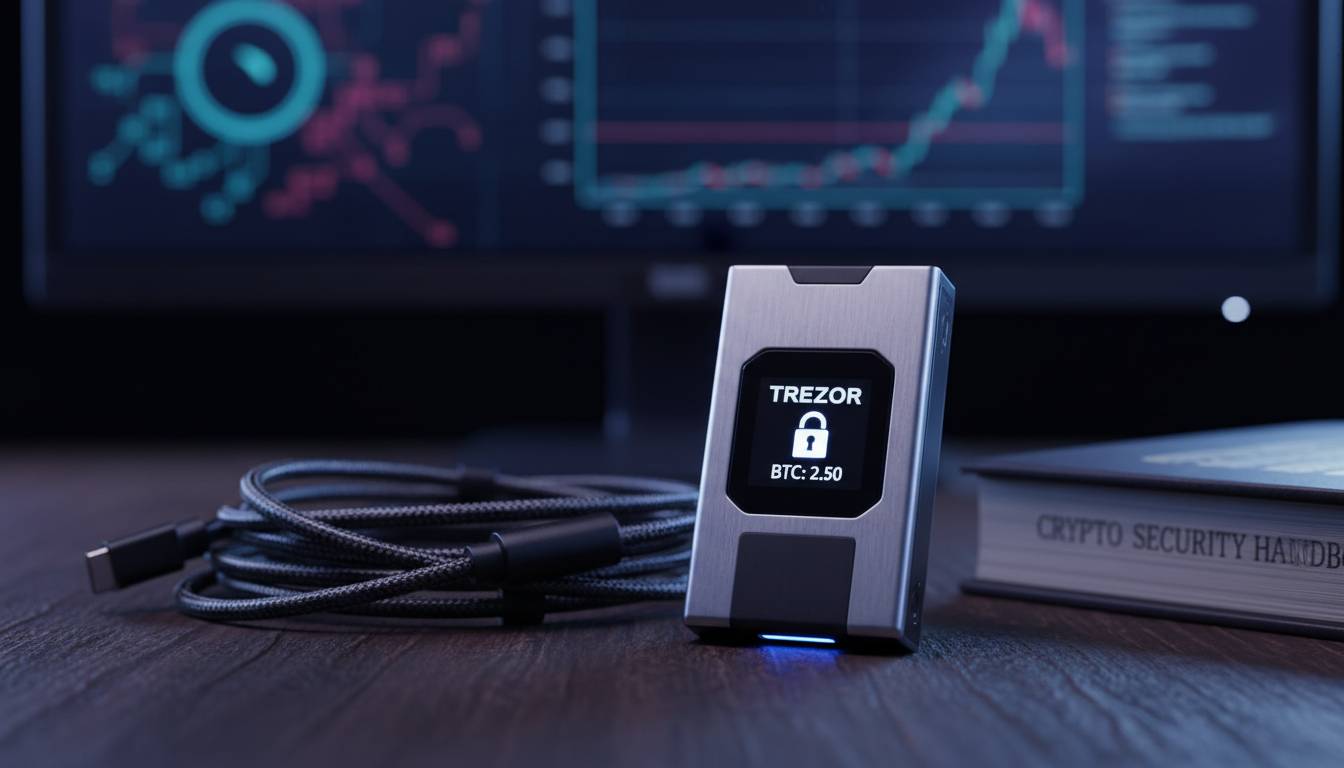
Cold wallets, also called hardware wallets, store your private keys offline on physical devices. These devices typically look like USB drives and require physical confirmation for any transaction. Hardware wallets such as Ledger, Trezor, and other reputable brands provide significantly higher security because hackers cannot access the private keys without physical possession of the device and knowledge of the PIN. For long-term storage of significant crypto holdings, a hardware wallet is strongly recommended.
When selecting a hardware wallet, purchase only from official sources. Buying from third-party sellers on marketplaces increases the risk of receiving a compromised device that has been tampered with. The device should arrive in sealed packaging, and you should verify the integrity of the packaging before opening.
Creating and Managing Strong Passwords
Password security forms the first line of defense against unauthorized access to your cryptocurrency accounts and wallets. Weak or reused passwords represent one of the most common vulnerabilities that hackers exploit.
Every cryptocurrency account, exchange login, and wallet should have a unique, complex password. A strong password should be at least 16 characters long and include a combination of uppercase letters, lowercase letters, numbers, and special characters. Avoid using personal information such as birthdays, names of family members, or common words found in dictionaries.
Consider using a password manager to generate and store unique passwords for each account. Password managers encrypt your password database with a master password, allowing you to maintain unique, complex passwords for every service without needing to memorize them all. Reputable password managers include 1Password, Bitwarden, and Dashlane, all of which offer strong encryption standards.
For hardware wallets, the PIN code provides an additional security layer. Choose a PIN that is longer than the standard four to six digits when given the option. Most hardware wallets implement a delay mechanism that increases waiting periods after multiple incorrect PIN attempts, making brute-force attacks impractical.
Implementing Two-Factor Authentication
Two-factor authentication adds a critical additional layer of security beyond passwords. Even if a hacker obtains your password through a phishing attack or data breach, two-factor authentication can prevent unauthorized access.
For cryptocurrency accounts, always enable two-factor authentication using authenticator apps rather than SMS text messages. SMS-based two-factor authentication is vulnerable to SIM swapping attacks, where criminals convince mobile carriers to transfer your phone number to their device. Several high-profile cryptocurrency thefts have occurred through SIM swapping, resulting in losses exceeding millions of dollars.
Authenticator apps generate time-based one-time passwords that change every 30 seconds. These codes are generated on your device and cannot be intercepted remotely. Google Authenticator, Authy, and the authenticator built into password managers are all reliable options.
Hardware security keys provide the highest level of two-factor authentication. Devices like YubiKey can be configured to work with cryptocurrency exchanges and wallet services that support the FIDO2 standard. These physical keys are resistant to phishing and remote attacks, as authentication requires the physical device to be present and configured for the specific service.
Recognizing and Avoiding Phishing Attacks
Phishing attacks remain the most prevalent method hackers use to steal cryptocurrency. These attacks typically involve fraudulent emails, websites, or messages that impersonate legitimate services to trick users into revealing sensitive information.
Always verify the URL of any website before entering login credentials or wallet information. Hackers frequently create convincing copies of exchange websites and wallet login pages with slightly misspelled domain names. Bookmarks trusted exchange and wallet URLs rather than clicking links in emails or messages.
Legitimate cryptocurrency services will never ask for your private keys, seed phrases, or passwords through email, social media, or support chats. Your seed phrase—the series of words used to recover your wallet—should never be shared with anyone under any circumstances. Anyone asking for your seed phrase is attempting to steal your funds.
Be cautious of unsolicited messages claiming to be from exchanges or wallet providers, especially those creating urgency or threatening account suspension. When in doubt, navigate directly to the service by typing the known URL rather than following any links.
Email phishing has become increasingly sophisticated. Check the sender’s email address carefully, as attackers often use addresses that appear similar to legitimate domains. Enable email filtering features provided by your email service and consider using a dedicated email address for cryptocurrency-related activities.
Keeping Software Updated and Secure
Maintaining up-to-date software is crucial for cryptocurrency security. Developers regularly release updates that patch security vulnerabilities, and running outdated software leaves known vulnerabilities exposed.
Update your operating system, web browser, and any cryptocurrency-related applications regularly. Enable automatic updates when available to ensure you receive security patches as soon as they are released.
Antivirus software provides an important layer of protection against malware designed to steal cryptocurrency. Keep your antivirus software current and run regular scans. However, be cautious about which antivirus products you trust, as some malicious programs disguise themselves as security software.
For hardware wallet users, firmware updates are essential. Manufacturers release firmware updates that address security vulnerabilities and add new features. When updating firmware, always verify the authenticity of the update file and follow the official instructions provided by the manufacturer.
Avoid using public computers or public Wi-Fi networks for cryptocurrency transactions. Public computers may have keyloggers or other malware installed, while public Wi-Fi networks can be compromised or monitored by attackers. If you must access your accounts from a public location, use a reputable virtual private network to encrypt your connection.
Practicing Safe Transaction Habits
Developing safe transaction habits protects your cryptocurrency even if other security measures fail. Every transaction should be verified carefully before confirmation.
When sending cryptocurrency, double-check the recipient address character by character. Cryptocurrency addresses are long strings of characters, and a single typo can send funds to an irreversible, unreachable destination. Many wallets support address book features that allow you to save frequently used addresses, reducing the need for manual entry.
For large transactions, consider sending a small test amount first to verify the address is correct and the transaction processes properly. This practice is particularly important when sending to a new address or using a new wallet for the first time.
Be cautious of transaction requests that arrive through unexpected channels. If someone sends you a message asking you to send cryptocurrency to verify an address or resolve a problem, treat it as a potential scam. Attackers often pose as support representatives or business partners to trick users into sending funds.
Understanding transaction confirmation requirements provides additional security. Different cryptocurrencies require different numbers of confirmations before a transaction is considered final. For large transfers, wait for the recommended number of confirmations before considering the transaction complete.
Securing Your Recovery Phrase
Your recovery seed phrase represents the ultimate access to your cryptocurrency. If someone obtains your seed phrase, they can access your funds regardless of other security measures. Protecting this phrase is therefore paramount.
Write your seed phrase on paper and store it in a secure location, such as a safe or safety deposit box. Consider creating multiple copies stored in separate secure locations for redundancy. Never store your seed phrase digitally, as computers and phones can be hacked.
Some users opt for metal seed phrase storage solutions, which are fireproof and waterproof. These metal plates can withstand natural disasters that might destroy paper backups, ensuring you can recover your funds under various circumstances.
Never share your seed phrase with anyone. No legitimate service will ever ask for your seed phrase. Be especially cautious of individuals claiming to be from customer support who request this information.
When disposing of old hardware wallets, ensure all data is properly erased. Most hardware wallets offer a factory reset function that clears all sensitive data. For maximum security, some users choose to destroy old devices physically after performing a reset.
Monitoring Accounts and Setting Up Alerts
Active monitoring allows you to detect unauthorized access or suspicious activity quickly, enabling faster response times that may prevent complete loss.
Enable withdrawal notifications and account alerts on all cryptocurrency exchanges and wallets. These notifications can alert you via email or SMS when new devices log in, withdrawals occur, or security settings change. The sooner you know about suspicious activity, the sooner you can take action.
Regularly review your account activity and transaction history. Look for any transactions you did not authorize, even small test transactions that may indicate someone is testing access to your account.
Consider using blockchain explorers to monitor addresses you control. While this requires more technical knowledge, it allows you to see all activity associated with your addresses independently of any service’s notifications.
Some security services offer dark web monitoring that alerts you if your email or other credentials appear in data breaches. These services can provide early warning that your information may be used in targeted attacks.
Conclusion
Protecting cryptocurrency from hackers requires a layered approach combining technological solutions with vigilant habits. No single measure provides complete security, but implementing multiple defensive strategies creates overlapping protection that makes successful attacks significantly more difficult.
Start by securing your private keys through proper wallet selection and seed phrase management. Enable two-factor authentication on all accounts using authenticator apps or hardware security keys. Develop awareness of common attack vectors like phishing and social engineering. Maintain current software and monitor your accounts regularly.
Remember that cryptocurrency security is not a one-time setup but an ongoing practice. Review your security measures periodically, stay informed about new threats, and adapt your practices as the threat landscape evolves. The time and effort invested in securing your digital assets provides peace of mind and significantly reduces the risk of becoming another statistic in the ever-growing list of crypto thefts.
Frequently Asked Questions
What is the safest way to store cryptocurrency long-term?
The safest method for long-term storage is a hardware wallet, which keeps your private keys offline and away from internet-connected threats. Hardware wallets like Ledger or Trezor store your keys on a physical device that requires PIN confirmation and physical button presses to authorize transactions. Store your recovery seed phrase securely in multiple locations, preferably using fireproof metal storage solutions.
Can I recover my cryptocurrency if my wallet is hacked?
Unfortunately, cryptocurrency transactions are generally irreversible. If a hacker transfers your funds, recovery is extremely difficult and often impossible. This is why prevention through strong security practices is so critical. However, if the hack occurred through an exchange compromise, some exchanges maintain insurance funds that may reimburse affected users. Always report thefts to law enforcement, as they may be able to track stolen funds in some cases.
Is it safe to keep cryptocurrency on exchanges?
Exchanges provide convenience but introduce additional risk because you do not control your private keys when funds are held on the platform. Exchanges have been hacked repeatedly over the years, resulting in billions in losses. Keep only the cryptocurrency you need for active trading on exchanges, and move the majority of your holdings to personal wallets where you control the private keys.
How do I know if I am being phished?
Watch for several warning signs: unsolicited messages creating urgency, requests for personal information or seed phrases, slightly misspelled URLs, and emails from suspicious domains. Always navigate directly to websites by typing the URL rather than clicking links. Verify sender email addresses carefully and be skeptical of anyone claiming to be from customer support who asks for sensitive information.
What should I do if I suspect my cryptocurrency has been compromised?
Act immediately by transferring remaining funds to a new wallet with a fresh seed phrase if you still have access. Enable two-factor authentication if not already active. Contact the exchange or service immediately to freeze your account if applicable. File a report with the FBI Internet Crime Complaint Center and your local police. Change passwords on all related accounts and enable new two-factor authentication methods.
Are hardware wallets worth the investment?
Yes, hardware wallets are strongly worth the investment for anyone holding more than a few hundred dollars in cryptocurrency. Prices typically range from $50 to $250, which is minimal compared to the potential losses from a successful hack. The security benefits of keeping private keys offline far outweigh the relatively small cost of the device.