13Views 0Comments
How to Buy Crypto Without Verification – Beginner’s
Buying cryptocurrency without going through traditional identity verification (KYC – “Know Your Customer”) is entirely possible and has become increasingly popular among privacy-conscious users. While most major exchanges now require ID verification, several legitimate methods allow you to purchase Bitcoin and other cryptocurrencies with varying degrees of anonymity. This guide explores the most reliable no-KYC options available in the United States, along with the practical trade-offs you need to understand before getting started.
QUICK ANSWER: In the US, you can buy crypto without verification through peer-to-peer platforms like Paxful and HodlHodl, decentralized exchanges such as Uniswap, Bitcoin ATMs (with limits), in-person cash trades, and certain crypto gift card services. Each method has different limits, fees, and risk profiles.
AT-A-GLANCE:
| Method | Typical Limits | Fees | Verification Required |
|---|---|---|---|
| P2P Platforms | $500-$10,000/day | 0.5%-5% | None |
| Bitcoin ATMs | $250-$3,000/day | 8%-25% | Phone/Email only |
| Decentralized Exchanges | Unlimited | 0.3%-1% | None |
| Crypto Gift Cards | $50-$500 | 5%-15% | None |
| In-Person Cash | Varies | Negotiable | None |
KEY TAKEAWAYS:
– ✅ P2P platforms like Paxful and HodlHodl are the most established no-KYC options with escrow protection
– ✅ Decentralized exchanges offer the highest privacy but require some technical knowledge
– ⚠️ Bitcoin ATMs have the highest fees (often 15-25%) but provide instant transactions
– ❌ Avoid any method requiring you to send identity documents to unknown platforms
– 💡 “Your keys, your crypto” applies especially to no-KYC methods—never store large amounts on any centralized platform
KEY ENTITIES:
– Platforms: Paxful, HodlHodl, Uniswap, LocalBitcoins, Coinme, Bitcoin Depot
– Organizations: Financial Crimes Enforcement Network (FinCEN), Blockchain Association
– Standards: BSA/AML compliance, OFAC sanctions screening
– Terms: KYC, P2P trading, hot wallets, hardware wallets
LAST UPDATED: January 2026
Understanding No-KYC Crypto Purchases
No-KYC cryptocurrency purchases refer to buying digital assets without submitting government-issued identification to a centralized authority. This approach appeals to users who value financial privacy, want to avoid lengthy verification processes, or live in regions where banking access is limited.
The cryptocurrency ecosystem was originally designed around pseudonymity, not strict identity verification. However, regulatory pressure has pushed most major exchanges—including Coinbase, Binance US, and Kraken—to implement mandatory KYC procedures. Despite this trend, several methods have emerged or persisted as alternatives for those seeking to buy crypto with minimal or no verification.
It’s essential to understand that “no-KYC” does not mean “anonymous.” Transactions on public blockchains like Bitcoin and Ethereum are permanently recorded and traceable. Law enforcement can and does analyze blockchain data to track illicit activity. What no-KYC methods provide is protection against your identity being linked to your on-chain addresses by the exchange or platform you use.
The legal landscape matters here. In the United States, the Financial Crimes Enforcement Network (FinCEN) requires money services businesses to implement Anti-Money Laundering (AML) programs, including customer identification for transactions over $3,000. However, smaller transactions often fall below this threshold, and peer-to-peer and decentralized platforms operate under different regulatory frameworks.
Peer-to-Peer Platforms
Peer-to-peer (P2P) marketplaces are among the most popular ways to buy cryptocurrency without verification. These platforms connect buyers and sellers directly, acting as escrow services to ensure both parties fulfill their obligations.
Paxful is one of the largest P2P Bitcoin marketplaces globally. The platform allows users to buy Bitcoin using over 400 payment methods, including bank transfers, gift cards, and cash deposits. Account creation requires only an email address and phone number for basic features. Daily limits start at $500 but can increase to $10,000 with additional verification. Paxful holds funds in escrow until the seller confirms receiving payment, protecting buyers from scams.
HodlHodl takes a more privacy-focused approach, operating as a non-custodial P2P platform. Unlike Paxful, HodlHodl does not hold user funds at all. Instead, it uses multisig escrow, where Bitcoin is locked in a contract that releases only when both parties confirm the trade is complete. This means no centralized point of failure if the platform were compromised. HodlHodl requires only email verification for most trades.
LocalBitcoins, once the dominant P2P platform, has experienced declining activity after implementing stricter verification requirements in recent years. However, it still operates and maintains some verified-free listings.
When using P2P platforms, stick to sellers with strong reputation scores (95%+ positive feedback) and extensive trading history. Start with small amounts to test the process before committing larger sums. Payment methods like cash in person or Amazon gift cards tend to have the highest fees but also the strongest seller competition.
Decentralized Exchanges
Decentralized exchanges (DEXs) represent the most private way to trade cryptocurrency. These platforms operate without a central authority, using smart contracts to facilitate trades directly between users.
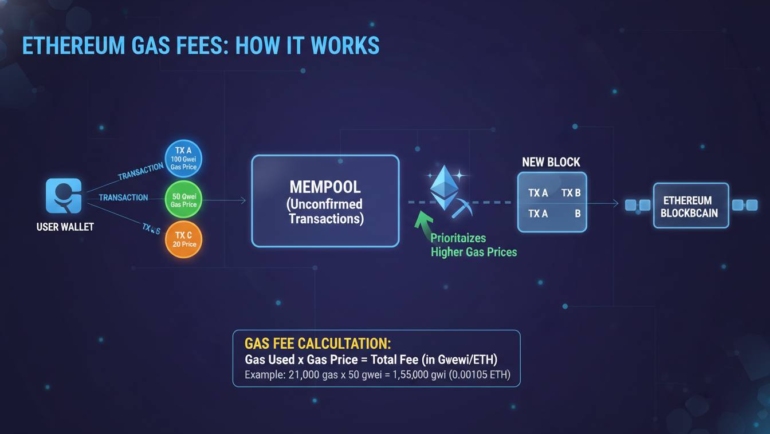
Uniswap is the largest decentralized exchange, primarily trading Ethereum and ERC-20 tokens. To use Uniswap, you connect a compatible wallet like MetaMask or Coinbase Wallet—no account creation or identity verification required. You simply swap one cryptocurrency for another at market rates, paying a protocol fee (typically 0.3%) plus network gas fees.
The process works differently than buying with fiat currency. You’ll need to already own some cryptocurrency (usually USDT, USDC, or ETH) to swap for other tokens. If you’re starting completely from scratch, you might need to use a small amount of KYC-friendlier on-ramp first to acquire your initial crypto holdings, then move them to a private wallet for DEX trading.
PancakeSwap operates similarly but on the Binance Smart Chain, offering lower fees than Ethereum-based DEXs. It’s popular for trading BNB Chain tokens and offers yield farming opportunities.
The primary advantages of DEXs are complete anonymity and no platform risk—you never need to trust your funds to a third party. The disadvantages include slightly higher technical complexity, the need to already own cryptocurrency, and smart contract risk (though major DEXs like Uniswap have been extensively audited).
Bitcoin ATMs
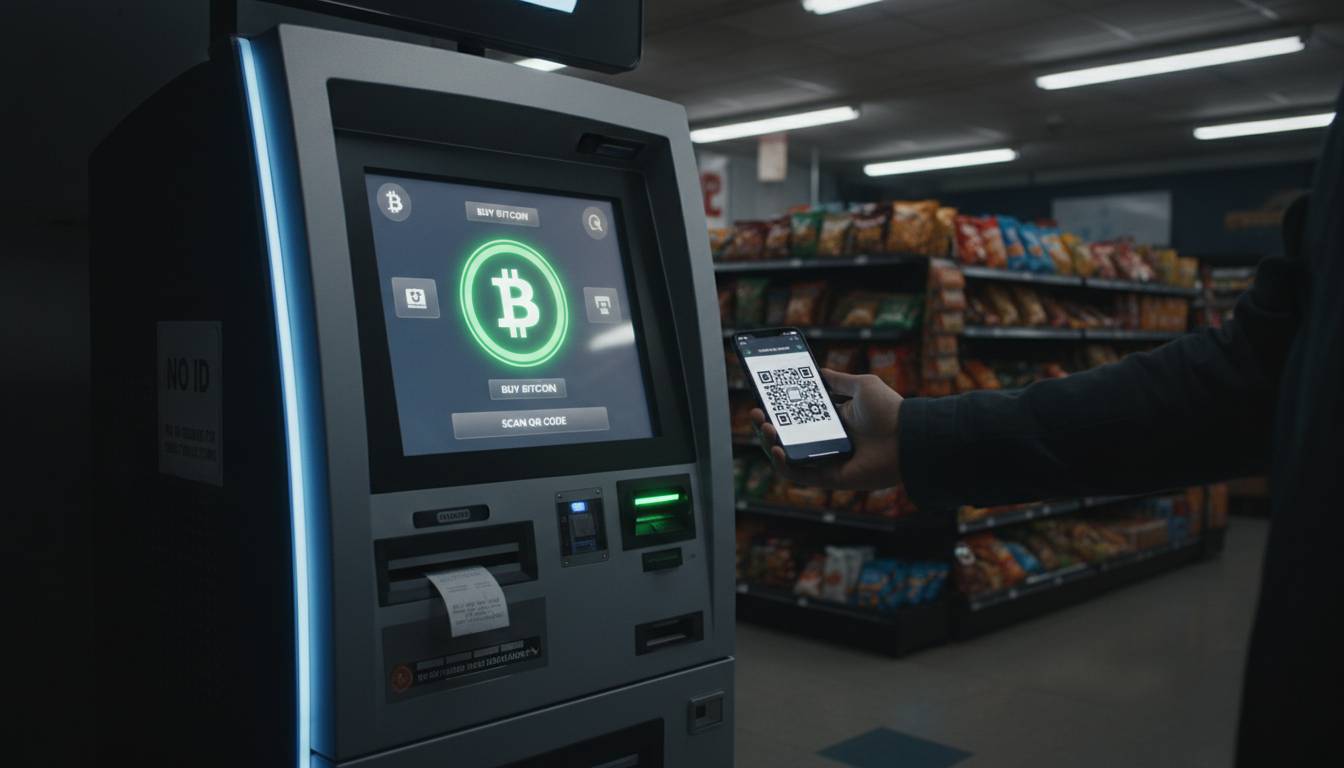
Bitcoin ATMs are physical machines that allow you to purchase Bitcoin using cash. Unlike traditional ATMs connected to bank accounts, these machines connect to cryptocurrency exchanges and allow anonymous purchases with just a phone number.
The largest Bitcoin ATM operators in the US include Coinme, Bitcoin Depot, and CoinFlip. Most machines are located in convenience stores, gas stations, and shopping malls. To make a purchase, you scan a QR code from your personal wallet, insert cash, and receive Bitcoin almost instantly.
Verification requirements vary by operator and transaction amount. Many Bitcoin ATMs require phone number verification only for smaller purchases (up to $250-$500 daily). Above these thresholds, some machines require ID verification, though this varies significantly by location and operator.
The major drawback of Bitcoin ATMs is the cost. Fees typically range from 8% to 25% per transaction, making them one of the most expensive ways to buy cryptocurrency. The convenience of instant, anonymous transactions comes at a premium. Additionally, daily purchase limits are generally lower than P2P or DEX options.
To find Bitcoin ATMs near you, use directories like Coin ATM Radar, which provides locations, operating hours, and fee information for machines across the United States.
Crypto Gift Cards
Several services allow you to purchase cryptocurrency using gift cards from major retailers. This method involves buying a gift card with cash, then exchanging it for crypto on a P2P marketplace or dedicated platform.
RxBTC and similar services allow users to exchange Amazon, iTunes, Google Play, and other gift cards for Bitcoin. The process typically involves creating an account, listing your gift card, and waiting for a buyer to accept the trade. Once the buyer confirms receipt of the gift card code, Bitcoin is released from escrow.
The fees for gift card trades vary significantly based on the card type and current market demand. Amazon gift cards typically trade at 85-95% of their face value in Bitcoin, while less popular gift cards may trade at steeper discounts.
This method requires careful attention to security. Only trade with users who have strong reputation scores, and never share gift card codes until the Bitcoin is in your wallet. Gift card trades are final in most cases, making it essential to verify the buyer and understand you’re protected only by the platform’s escrow system.
In-Person Cash Trades
Meeting someone in person to exchange cash for cryptocurrency offers the highest degree of privacy. This method has no online footprint, no platform fees, and no reliance on third-party infrastructure.
Platforms like LocalBitcoins, Paxful, and specialized forums like BitQuick and Reddit’s r/Bitcoin and r/localbitcoins facilitate these meetings. Sellers list their location and preferred meeting spots, typically requiring cash in hand before releasing Bitcoin to your wallet.
Safety is paramount for in-person trades. Always meet in public locations like coffee shops or bank lobbies during daylight hours. Bring a friend if possible. Inspect cash carefully before completing the transaction. Some experienced traders recommend bringing a portable Bitcoin ATM or having the seller transfer directly to your hardware wallet while you verify the transaction on your phone.
The main risk is physical—meeting strangers with significant cash. Only trade amounts you’re comfortable handling in person, and trust your instincts if a situation feels wrong.
Risk Factors and Best Practices
No-KYC cryptocurrency purchases carry specific risks that responsible users should understand. While the methods described above are legal in most jurisdictions, they require additional vigilance.
Scam risk is elevated in no-KYC environments. Without identity verification, bad actors can operate with relative impunity. Always use escrow services provided by reputable platforms, verify seller reputation scores, and start with small transactions.
Tax compliance remains your responsibility regardless of how you acquire cryptocurrency. The IRS treats Bitcoin and other cryptocurrencies as property, requiring you to report capital gains on every sale. Keep detailed records of all your transactions, including the date, amount, fiat value at the time of purchase, and wallet addresses involved.
Security best practices include using hardware wallets like Ledger or Trezor for any cryptocurrency you plan to hold long-term. Never store significant amounts on exchange accounts or P2P platform wallets. Enable two-factor authentication on any platform you use, even if identity verification isn’t required.
Regulatory monitoring matters because cryptocurrency regulations continue evolving. Methods that work today may face restrictions tomorrow. Stay informed about FinCEN guidance and any changes to how your chosen method is regulated.
Frequently Asked Questions
Q: Is it legal to buy crypto without verification in the US?
Yes, buying cryptocurrency without ID verification is legal in the United States for personal use. However, you must report all cryptocurrency transactions on your tax returns. Platforms facilitating these trades must comply with BSA/AML requirements for transactions over $3,000, though smaller transactions typically fall below the mandatory verification threshold.
Q: What is the easiest no-KYC method for beginners?
P2P platforms like Paxful are generally the easiest for beginners. They offer user-friendly interfaces, escrow protection, and support for various payment methods including bank transfers and gift cards. You’ll need to create an account with just an email, though phone verification is typically required.
Q: Are no-KYC purchases completely anonymous?
No. All no-KYC methods provide privacy from the platform you’re using, but blockchain transactions are permanently public. Law enforcement can trace transactions on public blockchains. Additionally, payment methods like bank transfers leave their own trails. True anonymity requires more advanced techniques like coin mixing, which carries its own legal considerations.
Q: What are the fees for no-KYC crypto purchases?
Fees vary significantly by method. Decentralized exchanges typically charge 0.3% in swap fees plus network gas costs. P2P platform fees range from 0.5% to 5%. Bitcoin ATMs charge the highest fees at 8-25%. Gift card trades typically have discounts of 5-15% from face value.
Q: Can I sell cryptocurrency using these same no-KYC methods?
Yes, most P2P platforms allow both buying and selling. You can also sell Bitcoin in person for cash or exchange it for gift cards. Decentralized exchanges allow you to swap any token for others, including stablecoins that can be bridged back to fiat through other means.
Q: What’s the best way to store crypto purchased without verification?
Use a hardware wallet regardless of how you purchased the cryptocurrency. Hardware wallets like Ledger and Trezor store your private keys offline, protecting your funds even if your computer or phone is compromised. Never keep significant amounts on exchange wallets or P2P platform accounts.
Conclusion
Buying cryptocurrency without verification in the United States remains entirely feasible through P2P platforms, decentralized exchanges, Bitcoin ATMs, gift card trades, and in-person meetings. Each method offers different trade-offs between convenience, privacy, fees, and technical complexity.
For most beginners, P2P platforms like Paxful or HodlHodl provide the best balance of accessibility, security through escrow systems, and variety of payment options. As you gain experience, decentralized exchanges offer the most private trading environment with full custody of your funds.
Remember that these methods require additional vigilance against scams, careful tax record-keeping, and responsibility for your own security. Start small, verify each process works as expected, and scale up only after gaining confidence. Cryptocurrency remains a volatile asset class—only invest what you can afford to lose, and never store more than you’re willing to lose on any single method or platform.