12Views 0Comments
What If Crypto Exchanges Shut Down? Your Complete Guide
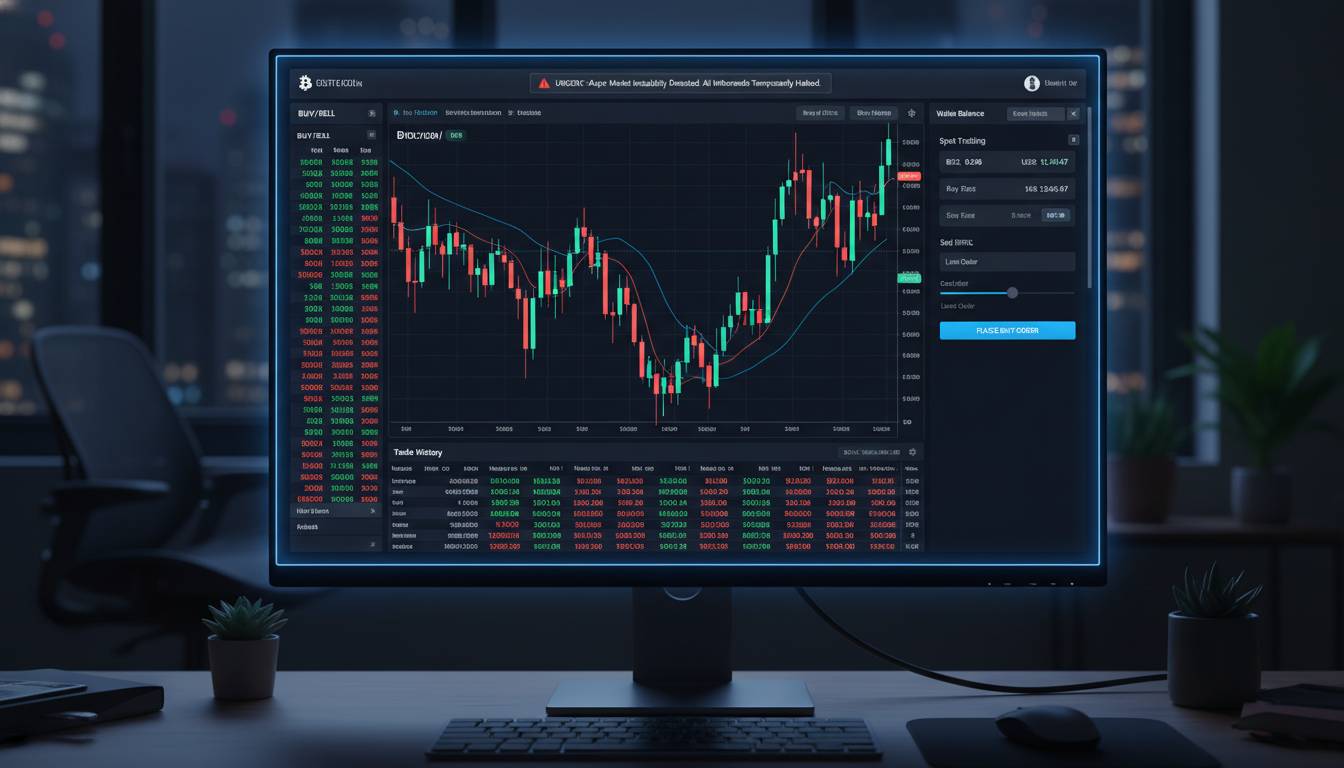
Cryptocurrency exchanges have become the primary gateway for millions of Americans to buy, sell, and trade digital assets. With over 40 million Americans owning some form of cryptocurrency, the stability of these platforms is a critical concern. But what actually happens if a major crypto exchange suddenly shuts down? Whether due to regulatory action, financial insolvency, or market collapse, understanding the implications can help you protect your investments.
The answer depends largely on one crucial factor: whether you maintain control of your own private keys. Users who leave assets on exchange platforms face significant risks, while those who self-custody their crypto using personal wallets retain complete control regardless of what happens to any third-party platform.
Understanding How Crypto Exchanges Work
Crypto exchanges function as intermediaries that match buyers with sellers and hold user funds in custodial wallets. When you purchase Bitcoin or other cryptocurrencies on an exchange like Coinbase, Kraken, or Binance US, the assets are typically held in wallets controlled by the exchange rather than in wallets where you control the private keys.
This custodial arrangement creates what experts call “counterparty risk”—the risk that the entity holding your assets might fail, be hacked, or become insolvent. According to blockchain analytics firm Chainalysis, exchange-related incidents accounted for over $3.2 billion in cryptocurrency losses during 2023 alone, with the majority stemming from exchange failures and hacks.
The fundamental architecture of cryptocurrency was designed to operate without intermediaries. Bitcoin’s creator, Satoshi Nakamoto, envisioned a peer-to-peer system where individuals would hold their own funds. However, the convenience of exchanges has led most users to rely on these platforms, creating systemic risk across the industry.
What Happens to Funds Held on a Shutting Exchange
When an exchange announces shutdown or ceases operations, the fate of user funds depends on several factors including the reason for closure, the exchange’s financial condition, and applicable regulations. Understanding these scenarios helps you anticipate outcomes and plan accordingly.
Insolvency or Bankruptcy: If an exchange files for bankruptcy, user funds become part of the bankruptcy estate. Creditors—including users with funds on the platform—may receive partial reimbursement depending on the company’s remaining assets. The FTX collapse in November 2022 demonstrated this scenario: customers faced lengthy legal processes to recover funds, with recoveries ranging from 40% to 90% of claims depending on asset recovery efforts and legal costs.
Regulatory Shutdown: Government agencies can order exchanges to cease operations, as seen when the SEC has taken action against unregistered platforms. In these cases, exchanges may be required to return customer funds, though the process can take months or years. The exchange typically enters a wind-down period where users can withdraw remaining balances, though this window may be limited.
Planned Closure: Exchanges that choose to shut down voluntarily—like Binance’s planned exit from certain markets—typically announce extended withdrawal periods allowing users to move assets to personal wallets or alternative platforms. These orderly transitions generally result in full fund recovery if executed properly.
The Critical Importance of Private Keys
Your cryptocurrency is not stored in your exchange account—it exists on the blockchain itself. What your exchange account actually contains is access to the private keys that control your funds. This distinction is fundamental to understanding what happens when exchanges fail.
Custodial vs. Non-Custodial Wallets: When you hold crypto on an exchange, you’re using a custodial wallet where the exchange holds the private keys on your behalf. Non-custodial wallets—like hardware wallets (Ledger, Trezor) or software wallets (Exodus, Trust Wallet)—give you direct control of your private keys, meaning your funds can only be accessed with your seed phrase.
The cryptocurrency industry has seen numerous failures where users who controlled their own keys lost nothing. When Mt. Gox collapsed in 2014, users who had withdrawn their Bitcoin to personal wallets retained complete access to their funds while those left on the exchange faced years of legal proceedings.
Self-Custody Best Practices: Protecting your crypto requires moving assets to wallets where you control the keys. Hardware wallets provide the highest security for significant holdings, storing private keys offline away from internet-connected devices that could be compromised. Software wallets offer convenience for smaller amounts or active trading, though they carry higher security risks.
Your seed phrase—typically 12 or 24 words—is the master key to your cryptocurrency. Write it down on paper and store it securely. Never store digital copies, as these can be hacked. Multiple backup copies stored in separate secure locations protect against fire or loss.
Decentralized Alternatives and Peer-to-Peer Trading
The rise of decentralized exchanges (DEXs) and peer-to-peer platforms provides alternatives that don’t rely on centralized intermediaries. These platforms operate using smart contracts—self-executing code on the blockchain that automatically matches trades between buyers and sellers without holding user funds.
Decentralized Exchanges: Platforms like Uniswap, Curve, and dYdX allow users to trade directly from their wallets. Trades execute through liquidity pools rather than order books, and no central entity holds user funds. This architecture means there’s no single point of failure that could result in customer losses from platform insolvency.
However, decentralized platforms come with different risks. Smart contract bugs can lead to losses—the Wormhole bridge hack in 2022 resulted in $320 million in losses due to a contract vulnerability. User error is also more common, as there’s no customer support to reverse mistaken transactions.
Peer-to-Peer Platforms: Services like LocalBitcoins and Paxful connect individual buyers and sellers, who then complete transfers directly through traditional payment methods. These platforms act as escrows, holding Bitcoin until both parties confirm transaction completion. While reducing counterparty risk from the exchange itself, P2P trading introduces fraud risk from counterparty misconduct.
Cross-Chain and Bridge Risks: Many decentralized platforms operate on specific blockchains. Using bridges to move assets between networks introduces additional attack surface, as bridge hacks have accounted for significant cryptocurrency losses in recent years.
Regulatory Landscape and Investor Protections
The regulatory environment for cryptocurrency in the United States remains fragmented and evolving. Understanding current protections—and their limitations—helps you make informed decisions about where to hold digital assets.
SEC and CFTC Jurisdiction: The Securities and Exchange Commission (SEC) and Commodity Futures Trading Commission (CFTC) have taken increasing enforcement action against cryptocurrency platforms. The SEC has focused on platforms offering securities, while the CFTC regulates derivatives and has asserted authority over Bitcoin and Ethereum as commodities.
Bankruptcy Protection: Cryptocurrency exchanges that file for Chapter 11 bankruptcy can potentially reorganize and return funds to customers. However, the legal framework for cryptocurrency in bankruptcy proceedings remains untested in many scenarios. Customer funds may be considered part of the bankruptcy estate, competing with other unsecured creditors.
State Regulations: Many states require money transmitter licenses for cryptocurrency businesses, providing some consumer protection through state-level oversight. New York’s BitLicense, for example, imposes capital requirements and operational standards on cryptocurrency companies operating in the state.
No FDIC Insurance: Unlike bank deposits, cryptocurrency held on exchanges is not insured by the Federal Deposit Insurance Corporation. The FDIC insures bank deposits up to $250,000 per depositor, but this protection does not extend to cryptocurrency holdings regardless of how the exchange markets its services.
How to Protect Your Cryptocurrency Holdings
Protecting your crypto requires taking active steps rather than relying on exchange guarantees. The following measures significantly reduce your risk exposure to exchange failures.
Move Assets to Personal Wallets: The most important step is transferring cryptocurrency to wallets where you control the private keys. For long-term holdings, hardware wallets provide the best security. For active trading, consider keeping only what you need for near-term transactions on exchanges.
Use Multiple Wallets: Distributing holdings across multiple wallets reduces single-point-of-failure risk. Consider separating funds between hardware wallets for savings, software wallets for accessibility, and small amounts on exchanges for trading.
Maintain Backup Seeds: Your wallet’s recovery phrase is essential for accessing funds if your wallet is lost or damaged. Store backups in secure, geographically separate locations. Metal backup solutions protect against fire and water damage better than paper.
Research Exchange Stability: Before depositing significant funds, research the exchange’s financial health, regulatory compliance, and security history. Look for proof of reserves, insurance coverage, and transparent operational practices.
Stay Informed About Regulatory Changes: The cryptocurrency regulatory landscape evolves rapidly. Following official announcements from regulatory agencies and reputable industry publications helps you anticipate changes that might affect your holdings or the platforms you use.
Frequently Asked Questions
Can the government shut down all cryptocurrency exchanges?
While governments can prohibit exchanges from operating within their jurisdiction, cryptocurrency itself operates on decentralized networks that exist globally. The US government could ban domestic exchanges but cannot eliminate cryptocurrency existing on the blockchain. Users would still be able to access their funds through non-custodial wallets or foreign exchanges.
What happened to customers when FTX collapsed?
FTX customers faced significant challenges recovering funds. The bankruptcy process has been ongoing since November 2022, with customers potentially recovering between 40% and 90% of their claims depending on asset recovery and legal costs. The experience highlighted the risks of leaving funds on centralized platforms and prompted many users to move assets to personal custody.
Are hardware wallets worth the investment?
Hardware wallets typically cost $50-$200 but provide substantially higher security than software wallets or exchange holding. For anyone holding more than a few hundred dollars in cryptocurrency, the investment is worthwhile. Hardware wallets keep private keys offline, making them immune to remote hacking attempts that compromise online systems.
Can I lose my crypto if I lose my wallet?
If you lose your hardware wallet but have properly backed up your seed phrase, you can recover your funds by entering the seed phrase into a new wallet. Without the seed phrase, recovery is impossible—this is by design to ensure only the holder can access the funds. This is why secure seed phrase storage is absolutely critical.
Do decentralized exchanges have the same risks as regular exchanges?
Decentralized exchanges eliminate counterparty risk from platform insolvency since user funds remain in their own wallets during trades. However, they introduce smart contract risk—if the code has vulnerabilities, funds can be stolen. User error risk is also higher since there’s no customer support to reverse mistakes.
Conclusion
The possibility of cryptocurrency exchange shutdowns is a real concern that every digital asset holder should understand. While centralized exchanges provide essential services for buying, selling, and trading cryptocurrency, they introduce counterparty risk that can result in partial or total fund loss if the platform fails.
The solution lies in understanding and implementing self-custody. By moving your cryptocurrency to wallets where you control the private keys, you eliminate the risk of losing funds due to exchange failure, bankruptcy, or regulatory action. The cryptocurrency ecosystem offers decentralized alternatives for those who wish to trade without relying on centralized intermediaries, though these come with their own security considerations.
Ultimately, the responsibility for protecting your cryptocurrency rests with you. No exchange guarantee, regulatory action, or insurance policy provides the same security as direct control of your assets. Take the time to secure your holdings today—because the only truly safe cryptocurrency is the one you hold in your own wallet.