7Views 0Comments
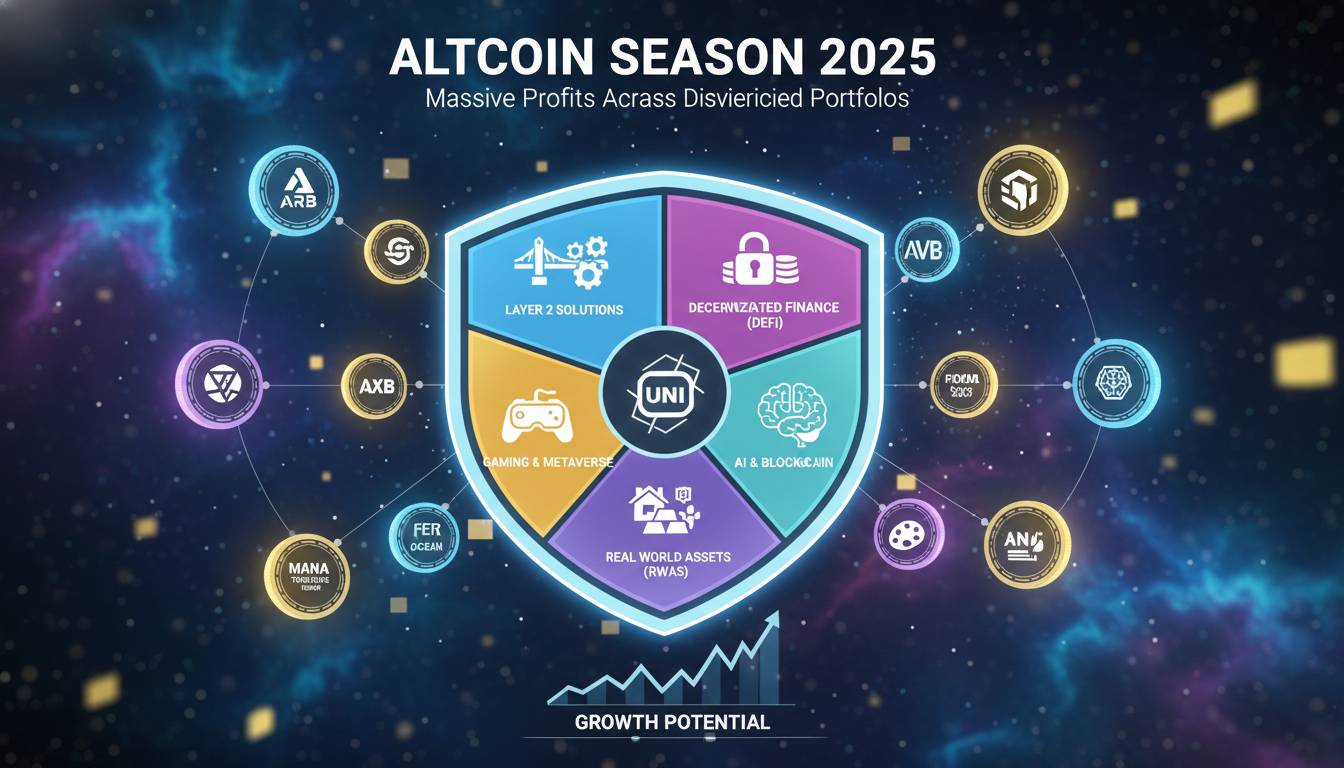
Altcoin Season 2025: Complete Guide for Massive Profits
The cryptocurrency market moves in cycles, and experienced investors know that periods when alternative cryptocurrencies outperform Bitcoin—known as “altcoin seasons”—represent some of the most profitable opportunities in digital assets. As we approach 2025, market observers are closely watching for signals that could indicate the next major altcoin season.
What Is Altcoin Season?
Altcoin season refers to a period when alternative digital assets—everything from established coins like Ethereum to newer tokens—generate returns that significantly outpace Bitcoin. During these phases, traders often see dramatic gains across hundreds of different cryptocurrencies as capital flows away from the market leader and into smaller-cap assets.
The underlying dynamics stem from market cycles and investor sentiment. When Bitcoin experiences sustained price appreciation and reaches certain valuation levels, some investors begin seeking higher-growth opportunities in the altcoin market. This capital rotation creates momentum that can sustain for weeks or months, driving prices higher across numerous projects simultaneously.
Not every altcoin season looks the same. Some have been driven by specific technological developments, such as the decentralized finance boom of 2020-2021, while others have emerged from broader market conditions. The key for investors is understanding that these periods occur multiple times within each market cycle, creating recurring opportunities for those who recognize the early signals.
Key Indicators of Altcoin Season
Several metrics help traders identify when altcoin season may be approaching.
Bitcoin Dominance Trends is one of the most closely watched metrics. When Bitcoin’s share of the total cryptocurrency market capitalization begins declining, it often signals that capital is rotating into altcoins. This metric typically reaches local peaks during periods of market uncertainty, while declines often coincide with increased risk appetite.
Ethereum Performance often serves as a leading indicator for broader altcoin market movements. As the second-largest cryptocurrency and the foundation for much of the decentralized finance ecosystem, Ethereum’s price action often precedes wider altcoin rallies. When ETH begins outperforming Bitcoin, it frequently sets the stage for additional altcoin gains.
Trading Volume Patterns offer another important signal. Increased trading activity across altcoin markets, particularly in smaller-cap cryptocurrencies, often precedes and accompanies altcoin seasons. This volume surge reflects growing interest from both retail and institutional traders.
Exchange Listings and Fund Flows also provide valuable signals. When major exchanges announce new token listings or when cryptocurrency investment products see increased inflows, these developments often coincide with periods of heightened altcoin market activity.
Historical Patterns and Cycles
Previous altcoin seasons reveal patterns that may inform expectations for 2025. Each major cycle has demonstrated distinct characteristics while sharing common features.
The 2017-2018 cycle saw the first major altcoin season, with hundreds of projects generating returns exceeding 100x their initial values. This period was characterized by the initial coin offering boom, where startups raised capital by creating new tokens. The subsequent market correction demonstrated the risks inherent in these rallies, as many projects failed to deliver on their promises.
The 2020-2021 cycle brought altcoin season during the post-COVID economic recovery. Decentralized finance protocols became the primary driver, with yield farming and liquidity mining creating massive demand for certain tokens. Ethereum gas fees reached record levels as users competed for block space. This cycle also saw the rise of non-fungible tokens and play-to-earn gaming platforms.
Following the 2022 market downturn, cryptocurrency markets have been in a recovery phase throughout 2023 and into 2024. Bitcoin has led the initial recovery, but historical patterns suggest that altcoin seasons typically follow rather than precede Bitcoin-led rallies. The timing and magnitude of the next altcoin season will depend on regulatory developments, macroeconomic conditions, and new cryptocurrency applications.
2025 Market Outlook and Predictions
Predicting the precise timing and characteristics of altcoin season 2025 requires considering multiple factors. While no prediction can be guaranteed, examining current market conditions and emerging trends provides insight into potential developments.
The cryptocurrency market continues to mature, with institutional adoption accelerating through regulated investment products and corporate treasury adoption. This institutional involvement creates more stable foundations for future market growth while potentially reducing the extreme volatility seen in previous cycles. The approval of spot Bitcoin exchange-traded funds in early 2024 marked a significant milestone that increased accessibility for traditional investors.
Regulatory developments will likely play a crucial role in shaping 2025 market conditions. Clearer regulatory frameworks could provide legitimacy for cryptocurrency markets while potentially limiting some of the speculative activities that characterized previous altcoin seasons. Restrictive regulations could limit the opportunities available to cryptocurrency traders.
Technological developments within the cryptocurrency ecosystem continue to evolve rapidly. Layer-2 scaling solutions have addressed many of the scalability issues that previously limited network adoption. The expansion of Web3 applications creates new use cases that could drive demand for various tokens beyond simple store-of-value narratives.
Market cycle analysis suggests that 2025 could represent a period where altcoin opportunities emerge following the initial Bitcoin recovery that has already begun. Historical patterns indicate that altcoin seasons typically begin 6-12 months after Bitcoin reaches new cycle highs, though these timelines vary significantly between cycles.
How to Prepare for Altcoin Season 2025
Investors seeking to capitalize on potential altcoin season opportunities in 2025 should consider several strategic approaches.
Research and Due Diligence form the foundation of any investment strategy. Understanding the technology, team, tokenomics, and competitive positioning of any cryptocurrency before investing provides essential context. The cryptocurrency market includes both legitimate projects with real utility and speculative assets that may not survive market corrections.
Portfolio Allocation should reflect individual risk tolerance and investment time horizons. While altcoin positions can generate substantial returns during favorable market conditions, they also carry higher risk than established cryptocurrencies. Diversification across multiple assets and sectors helps manage this risk while maintaining exposure to potential winners.
Risk Management becomes particularly important during periods of heightened market activity. Setting clear exit strategies, using appropriate position sizing, and maintaining sufficient liquidity all contribute to sustainable investing practices. The dramatic gains during previous altcoin seasons have frequently been followed by significant corrections.
Staying Informed about market developments and emerging trends helps investors recognize opportunities as they develop. Cryptocurrency markets move rapidly, and the ability to respond to new information can significantly impact investment outcomes.
Frequently Asked Questions
When does altcoin season typically occur?
Altcoin seasons historically occur during broader cryptocurrency market cycles, typically following periods of Bitcoin strength. They often emerge when Bitcoin dominance begins declining and capital rotates into alternative assets. However, the exact timing varies significantly between cycles and cannot be predicted with certainty.
What are the main indicators that altcoin season is beginning?
Key indicators include declining Bitcoin dominance, strong Ethereum performance relative to Bitcoin, increased trading volumes across altcoin markets, and growing interest in newer cryptocurrency projects.
Which altcoins perform best during altcoin seasons?
Performance varies significantly between cycles and individual assets. Previously, DeFi tokens, layer-1 protocols, and utility tokens have demonstrated strong performance. However, past performance does not guarantee future results.
How risky is investing in altcoins compared to Bitcoin?
Altcoins generally carry higher risk than Bitcoin due to their smaller market capitalizations, lower liquidity, and higher volatility. This risk can lead to greater returns during favorable market conditions but also increases potential losses during corrections.
Should I invest in altcoins now in preparation for 2025?
Investment decisions should be based on individual financial situations, risk tolerance, and investment goals. Timing market bottoms is extremely difficult, and dollar-cost averaging approaches can help manage entry point risk.
What role do regulatory developments play in altcoin seasons?
Regulatory developments significantly impact cryptocurrency markets. Clearer regulations can provide market legitimacy and attract institutional investment, while restrictive measures can limit market participation.
Conclusion
Altcoin season 2025 represents a potential opportunity for cryptocurrency investors who understand the dynamics driving these market cycles. While no one can predict with certainty when altcoin season will arrive or which specific assets will generate the strongest returns, the historical patterns and market indicators discussed in this guide provide a framework for understanding and preparing for these opportunities.
The cryptocurrency market continues to evolve, with institutional adoption, technological advancement, and regulatory development shaping the landscape for future growth. Investors who approach this space with appropriate knowledge, realistic expectations, and sound risk management practices will be best positioned to navigate the opportunities and challenges that lie ahead.
Success in cryptocurrency investing requires patience, discipline, and continuous learning. Rather than attempting to perfectly time market movements, investors should focus on building diversified portfolios aligned with their long-term objectives while remaining adaptable to changing market conditions.