3Views 0Comments
Best AI-Powered Stock Trading Platforms for Higher Returns
Artificial intelligence has fundamentally changed how people trade stocks. What once required massive computing power and teams of analysts is now accessible to anyone with a laptop and an internet connection. These platforms use machine learning, natural language processing, and predictive analytics to scan market data, spot patterns, and execute trades at speeds humans literally cannot match.
For individual investors, this represents a genuine shift in what’s possible. Tools that hedge funds paid millions for are now available through subscription services. Whether that’s actually better for most investors is a more complicated question—more on that later.
What AI Trading Platforms Actually Do
These platforms process information differently than traditional trading software. They can analyze historical prices, company financials, news coverage, social media chatter, and economic indicators all at once—something no human trader could do manually, let alone consistently.
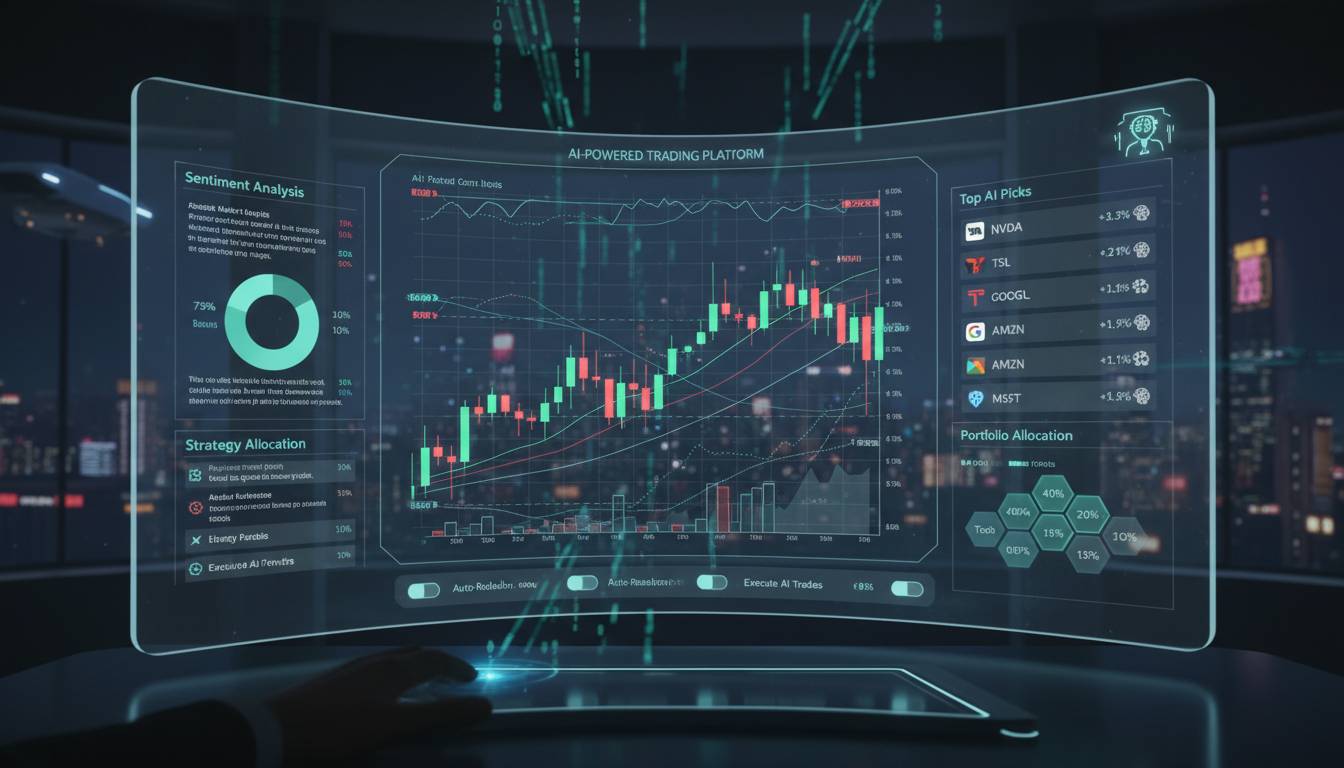
The core capabilities generally break down into a few categories. Predictive analytics engines try to forecast where prices might move based on past patterns. Sentiment analysis tools scan headlines and online discussions to gauge how people feel about particular stocks or sectors. Portfolio optimization algorithms balance your holdings to manage risk. Automated execution turns all of this analysis into actual trades, often in milliseconds.
The key thing to understand: these systems learn from new data. They adapt as market conditions change, which sounds impressive until you remember that markets can also break down in ways nobody anticipated.
What Actually Matters When Choosing a Platform
Here’s what to actually look for, rather than what marketing materials will tell you:
Analytical depth matters more than flash. The best platforms combine technical analysis, fundamental data, and alternative data sources—things like satellite imagery or credit card processing data that hint at company performance before official reports come out. But you need to understand what you’re actually getting. Many platforms claim “AI-powered” analysis but offer basic screening that any spreadsheet could handle.
Automation flexibility varies widely. Some platforms execute trades automatically based on your criteria. Others just provide analysis and let you decide. Neither is inherently better—it depends on how much control you want. Full automation sounds convenient until you’re watching your account drain during a glitch.
Execution quality is where many platforms disappoint. Latency—how fast they actually get your order in—can mean the difference between catching a price and missing it entirely. Direct market access matters for serious traders.
Costs deserve real scrutiny. Subscription fees, per-trade commissions, and profit-sharing arrangements add up. Some platforms hide premium features behind paywalls that make the “free” version nearly useless. Figure out the total cost before committing.
Transparency is where you separate legitimate tools from snake oil. If a platform won’t explain how its algorithms work or show historical backtesting, that’s a red flag. Backtesting shows how a strategy would have performed historically—but be skeptical of results that look too good. More on why shortly.
The Actual Benefits
Let’s be honest about what these tools genuinely offer:
Consistency is probably the biggest advantage. Human traders let emotions drive decisions—panic selling during downturns, FOMO buying at peaks. Algorithms don’t have that problem. They follow their rules no matter what’s happening, which is genuinely valuable during market turbulence.
Pattern recognition across thousands of stocks simultaneously is something humans genuinely can’t do. AI can spot correlations between obscure indicators that might reveal opportunities. Whether those patterns will keep working once everyone has access to the same tools is another question.
Around-the-clock monitoring means you won’t miss opportunities because you were sleeping or in a meeting. For traders who want to act on news quickly, this matters.
The Risks Nobody Talks About Enough
The marketing material always focuses on upside. Here’s the other side:
Historical patterns break. The algorithms learn from past data, but markets can behave in unprecedented ways. The COVID crash in 2020 is a good example—AI systems designed for normal conditions didn’t know what to do when everything crashed simultaneously. Flash crashes, sudden geopolitical events, and policy shifts can overwhelm even sophisticated models.
Overfitting is a real problem. This is when algorithms get too tuned to historical data. They look amazing in backtests but fail in real trading. If a platform shows you spectacular historical performance, ask hard questions about whether that will actually repeat.
Technology fails. Outages happen. Connectivity drops. Bugs create unexpected positions. The 2022 meltdown at a major trading platform that left users unable to access their accounts for hours is a reminder. Have backup plans.
Regulation is still catching up. The rules around algorithmic trading keep evolving. Make sure your platform is compliant and understand your tax obligations.
No guarantees exist. This should go without saying, but: AI tools are not magic. They don’t eliminate risk. They shift how you take on risk, which can sometimes make you overconfident. The best traders use AI to augment their thinking, not replace it entirely.
Getting Started Without Wrecking Your Account
If you’re serious about trying these platforms, here’s a practical approach:
Define what you actually want first. Day trading? Long-term investing? Income generation? Different goals suit different tools.
Use demo accounts aggressively. Paper trading lets you test whether the platform’s recommendations make sense to you before risking money. This also reveals whether you even trust the system’s advice—because if you don’t, you won’t follow it when it counts.
Start small. Seriously small. Many experts recommend using only capital you can afford to lose completely. The learning curve is real, and even experienced traders need time to understand how a particular platform behaves.
Keep learning. Markets change, and so do these platforms. What works today might not work tomorrow. Stay informed about both market conditions and your platform’s updates.
The Bottom Line
AI trading platforms offer real advantages—better pattern recognition, consistent execution, time savings. For many investors, they genuinely improve the experience. But they’re not a shortcut to guaranteed returns, and the marketing tends to oversell what they can actually deliver.
The most effective approach treats AI as one tool among many, not a replacement for human judgment. Maintain oversight of automated decisions, understand what the algorithms are actually doing, and adjust your strategies based on what works in practice. Markets evolve, and so should your approach.
As AI continues advancing, these tools will only get more capable. Whether that helps individual investors or just creates a new set of problems remains to be seen. For now, the platforms that work best are the ones that augment your decision-making rather than try to remove you from the process entirely.
Frequently Asked Questions
What are AI-powered stock trading platforms?
Software that uses artificial intelligence and machine learning to analyze market data, find trading opportunities, and execute trades. They process information faster than humans can, but they’re tools—not crystal balls.
Are they safe?
Reputable platforms use encryption and comply with financial regulations, but “safe” and “profitable” are different things. All trading carries risk. No platform changes that fundamental reality.
How much do they cost?
Everywhere from free to several hundred dollars monthly. Watch for nickle-and-dime fees that add up—data subscriptions, premium features, and per-trade charges can make an apparently cheap platform expensive.
Can beginners use them?
Yes, many cater to beginners with easy interfaces. But start with paper trading to learn the platform before using real money.
Do they guarantee profits?
Absolutely not. If someone tells you otherwise, run. Markets are unpredictable, and any system that promises otherwise is lying.
How do I pick the right one?
Match the platform to your experience level, goals, and budget. Try several with demo accounts before committing. The “best” platform is the one that fits your specific situation—whatever the marketing says.