10Views 0Comments
Best Crypto Exchanges for US Residents (Honest Reviews)
The United States has emerged as one of the world’s largest markets for cryptocurrency trading, with approximately 52 million Americans—roughly 20% of the adult population—owning some form of cryptocurrency as of 2024. This explosive growth has spawned dozens of platforms competing for your business, each promising better fees, superior security, or easier user experiences. Yet choosing the wrong exchange can mean higher costs, restricted functionality, or in worst-case scenarios, lost funds or legal complications. This guide cuts through the marketing noise to provide honest, detailed comparisons of the best crypto exchanges actually available to US residents.
What Defines a Legitimate Crypto Exchange for US Users
Before examining specific platforms, US residents must understand what separates a trustworthy exchange from a risky proposition. The regulatory landscape in the United States differs dramatically from most other countries, and compliance isn’t optional.
A legitimate US crypto exchange must comply with state-by-state money transmitter laws, which means obtaining BitLicenses in New York and similar registrations in other states. Federal requirements from the Financial Crimes Enforcement Network (FinCEN) mandate robust Know Your Customer (KYC) protocols and anti-money laundering systems. The Securities and Exchange Commission (SEC) and Commodity Futures Trading Commission (CFTC) have increasingly active oversight, particularly around tokens classified as securities or derivatives.
Beyond regulatory compliance, US residents should prioritize exchanges that offer:
- FDIC insurance on USD balances (protecting up to $250,000 per account)
- Two-factor authentication (2FA) as mandatory rather than optional
- Cold storage for the majority of customer assets
- Clear fee structures without hidden spread markups
- Responsive customer support with US-based representatives
Exchanges that operate outside these parameters may offer attractive features but carry significant legal and financial risk for US users.
Top Crypto Exchanges for US Residents in 2025
Coinbase: The Industry Standard
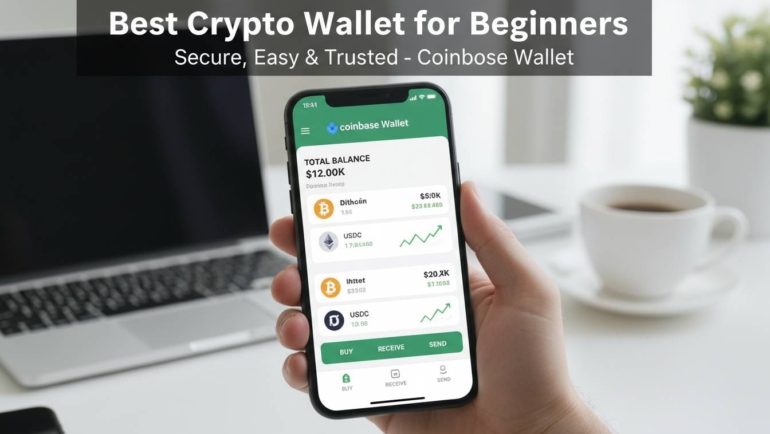
Coinbase Global Inc. (NASDAQ: COIN) remains the largest US-based cryptocurrency exchange by trading volume, serving over 100 million users worldwide. The company’s 2021 direct listing on NASDAQ signaled mainstream acceptance of cryptocurrency exchanges and established it as the most regulated platform in the industry.
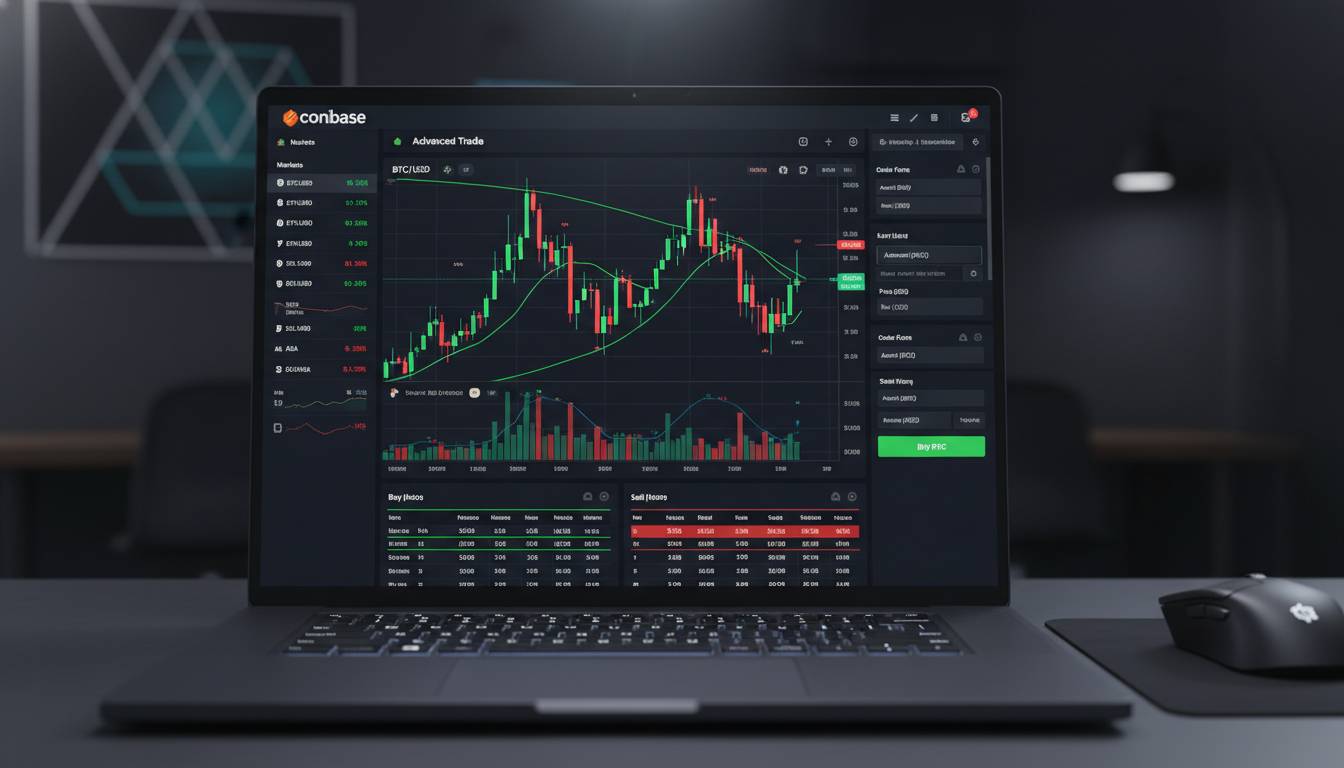
Strengths: Coinbase offers the most extensive cryptocurrency selection among US exchanges, with over 200 tokens available for trading. Its Advanced Trade platform provides professional-grade features including staking, yield generation, and decentralized finance (DeFi) integration. The exchange maintains $320 billion in assets on its platform and has never experienced a successful hack of customer funds. Coinbase also offers one of the most robust mobile apps, making it accessible for beginners while scaling to institutional needs through Coinbase Prime.
Weaknesses: Fee structures at Coinbase are higher than competitors, particularly for small transactions. The simple trading interface charges fees up to 0.60% per trade, while even Advanced Trade users face fees ranging from 0.40% to 0.60% depending on volume. Customer support has historically been a pain point, with users reporting extended response times during high-volume periods.
Best For: Beginners seeking a trusted, regulated platform; institutional investors requiring compliance assurance; users prioritizing security over cost savings.
Kraken: Security-Focused Trading
Kraken has built its reputation on security-first principles since founding in 2011, becoming one of the oldest continuously operating cryptocurrency exchanges globally. The platform serves over 10 million users across 190+ countries and offers trading in over 200 cryptocurrencies.
Strengths: Kraken’s security infrastructure is exceptional, with a proven track record that includes becoming the first exchange to achieve Cryptographic Security Certification (SOC 2) and maintaining one of the lowest breach records in the industry. The platform offers sophisticated trading features including futures, margin trading, and staking with competitive APY rates. Kraken’s fee structure rewards active traders, with maker fees as low as 0.00% for high-volume users.
Weaknesses: The platform’s interface can feel overwhelming for newcomers compared to Coinbase’s streamlined experience. Limited payment options in the US market, with no support for debit/credit card purchases, forces users to rely on bank transfers. Some users have reported account verification delays during periods of high demand.
Best For: Active traders prioritizing security and low fees; cryptocurrency enthusiasts seeking advanced features; users comfortable with a steeper learning curve.
Gemini: Regulated Innovation
Founded in 2014 by Cameron and Tyler Winklevoss, Gemini positions itself as the “trusty guardian” of cryptocurrency, emphasizing regulatory compliance and institutional-grade security. The exchange is a New York Trust Company, subject to the stringent requirements of the New York BitLicense.
Strengths: Gemini’s regulatory status provides exceptional security assurances, with all USD deposits held at FDIC-insured banks. The exchange offers a unique “Gemini Credit Card” that provides crypto rewards on purchases, and its ActiveTrader platform competes with professional trading terminals. Gemini was the first major exchange to complete a SOC 1 Type 2 examination, demonstrating commitment to security controls.
Weaknesses: Cryptocurrency selection is more limited than Coinbase or Kraken, with approximately 100 tokens available. The fee structure, while competitive for large trades, becomes expensive for smaller transactions with fees ranging from 0.35% to 0.40% for most users. The mobile app experience lags behind competitors in user experience testing.
Best For: Security-conscious investors prioritizing regulatory compliance; New York residents (where Gemini excels); users seeking a balanced mix of features and simplicity.
Crypto.com: Feature-Rich Platform
Crypto.com has rapidly expanded its US presence, offering one of the most comprehensive cryptocurrency ecosystems including a Visa card program, DeFi services, and NFT marketplace. The platform processes approximately $180 billion in annual trading volume.
Strengths: The Crypto.com Visa Card offers up to 5% cashback in CRO token on all purchases, representing a unique benefit for daily crypto users. The exchange provides extensive staking options with yields often exceeding competitors, and its mobile application offers an all-in-one experience including crypto wallet, DeFi browser, and NFT trading. Fee discounts for CRO staking make it attractive for committed users.
Weaknesses: The platform’s complexity can overwhelm newcomers, and its fee structure requires careful navigation to ensure competitive pricing. Customer support response times have faced criticism, particularly for US-based users. Some users report confusion between Crypto.com’s various products and fee schedules.
Best For: Users seeking an all-in-one crypto ecosystem; those wanting crypto rewards on everyday spending; DeFi enthusiasts looking for integrated services.
Robinhood Crypto: Simplified Trading
Robinhood revolutionized stock trading with commission-free trading, and its crypto division extends this philosophy to cryptocurrency. While limited in features, it offers an accessible entry point for casual investors.
Strengths: Robinhood offers commission-free crypto trading with no markup on prices—a significant advantage for cost-conscious beginners. Its integration with the broader Robinhood investment platform creates a unified experience for users already trading stocks and options. The mobile-first design prioritizes simplicity and ease of use.
Weaknesses: Cryptocurrency selection is severely limited to approximately 20 tokens, excluding many popular altcoins and DeFi tokens. Users cannot withdraw crypto to personal wallets, limiting flexibility. The platform lacks staking, lending, and advanced trading features common among competitors. Regulatory concerns have emerged, with Robinhood facing SEC scrutiny over its crypto operations.
Best For: Casual investors wanting exposure to major cryptocurrencies; users already comfortable with Robinhood’s stock trading platform; those prioritizing simplicity over features.
How to Choose the Right Exchange for Your Needs
Selecting the optimal crypto exchange requires honest assessment of your trading habits, technical knowledge, and financial goals. Consider these factors systematically.
Assess Your Experience Level: Beginners benefit from Coinbase’s intuitive interface and extensive educational resources. Intermediate traders often find Kraken or Crypto.com’s advanced features valuable. Professional traders should prioritize exchange depth, API capabilities, and fee structures—typically favoring Kraken or Coinbase Advanced Trade.
Calculate Your Typical Trade Size: Fee structures impact smaller traders more significantly. If you’re making frequent small purchases, commission-free platforms like Robinhood or fee-tier structures with low minimums matter enormously. Large-volume traders should prioritize maker fee discounts, where Kraken offers the best structure.
Determine Your Cryptocurrency Interests: If you want access to emerging tokens and DeFi projects, Coinbase or Kraken’s broader listings serve better. If you’re primarily interested in Bitcoin and Ethereum, most platforms provide adequate options.
Consider Geographic Factors: New York residents face restricted options due to BitLicense requirements—Gemini and Coinbase generally provide the best experiences. Users in states with limited banking partnerships may find some exchanges’ funding options unavailable.
Understanding Fee Structures and Total Costs
Crypto exchange fees extend beyond advertised trading commissions. Understanding the complete cost picture prevents unpleasant surprises.
| Exchange | Maker Fee (Lowest) | Taker Fee (Lowest) | Withdrawal Fees |
|---|---|---|---|
| Coinbase | 0.40% | 0.60% | Variable by crypto |
| Kraken | 0.00% | 0.10% | Network fees only |
| Gemini | 0.35% | 0.40% | Fixed fees |
| Crypto.com | 0.075% | 0.075% | Network fees only |
| Robinhood | Free | Free | Not available |
Beyond trading fees, watch for:
- Spread markups: Some platforms embed costs in the price between buy and sell orders
- Deposit/withdrawal fees: ACH transfers are typically free, but wire transfers often carry fees
- Conversion fees: Converting between cryptocurrencies often incurs percentage-based costs
- Network fees: Blockchain transaction fees for withdrawals vary by cryptocurrency and network congestion
Security Features That Protect Your Assets
Security should override convenience when selecting a crypto exchange. The following features indicate serious security commitment:
Cold Storage Standards: Reputable exchanges store the majority of customer assets in offline cold wallets, disconnected from internet-connected systems. Coinbase maintains approximately 98% of customer crypto in cold storage, with insurance covering hot wallet holdings.
Two-Factor Authentication: Mandatory 2FA using authenticator apps (Google Authenticator, Authy) provides essential protection against unauthorized access. SMS-based 2FA offers weaker protection due to SIM-swapping vulnerabilities.
Withdrawal Whitelisting: Enabling withdrawal address whitelisting ensures that even if attackers compromise your account, they cannot transfer funds to unrecognized addresses without additional verification.
Insurance Coverage: Exchange-provided insurance varies significantly. Coinbase maintains a $320 million insurance policy covering hot wallet breaches. FDIC coverage protects USD balances but not cryptocurrency holdings.
Proof of Reserves: Leading exchanges now publish regular proofs of reserves, cryptographically verifying they maintain sufficient assets to cover customer balances.
Common Mistakes to Avoid
Chasing Zero Fees: Robinhood’s commission-free trading appears attractive but includes hidden spread markups. The actual cost often exceeds competitors’ transparent fee structures.
Ignoring State Restrictions: Some exchanges do not operate in all 50 states. Before committing to a platform, verify availability in your state to avoid account closure or frozen funds.
Neglecting Tax Documentation: Cryptocurrency transactions trigger tax reporting requirements. Exchanges like Coinbase provide integrated tax tools, simplifying end-of-year reporting. Robinhood’s limited export capabilities can complicate tax preparation.
Overlooking Customer Support Quality: When issues arise—frozen accounts, failed withdrawals, verification problems—customer support quality determines resolution speed. Research user experiences before committing funds.
Using Exchange Wallets for Long-Term Storage: Exchange wallets remain vulnerable to platform breaches. Hardware wallets provide superior security for holdings you don’t plan to trade actively.
Frequently Asked Questions
Can I use Binance as a US resident?
Binance restricted US residents from its main platform in 2019, creating Binance.US as a separate, regulated entity. However, Binance.US offers significantly reduced cryptocurrency selection compared to the international platform, and some users report difficulties with account verification. The original Binance platform is not available to US users and accessing it through VPNs violates the exchange’s terms of service.
Which crypto exchange has the lowest fees for US users?
Kraken offers the lowest fees for active traders, with maker fees as low as 0.00% for users trading over $50,000 monthly. For casual traders, Crypto.com’s flat 0.075% fee on all trades provides competitive pricing, while Robinhood offers commission-free trading but embeds costs in wider spreads.
Are crypto exchanges legal in the United States?
Yes, cryptocurrency exchanges are legal in the US but must comply with extensive federal and state regulations. Legitimate exchanges require money transmitter licenses, KYC procedures, and anti-money laundering compliance. Users should verify an exchange’s regulatory status before depositing funds.
Can I transfer my crypto between exchanges?
Yes, you can transfer cryptocurrency between exchanges using standard blockchain transactions. Send crypto from your current exchange to your personal wallet, then deposit to the new exchange—or send directly between exchange addresses if both support the cryptocurrency. Always verify the receiving address matches the correct blockchain network.
Which exchange is safest for beginners?
Coinbase provides the safest starting point for beginners due to its regulatory compliance, FDIC insurance on USD balances, extensive educational resources, and intuitive interface. While fees are higher than competitors, the reduced risk of account issues or fund loss justifies the premium for new users.
Do I have to pay taxes on crypto exchanges?
Yes, the IRS treats cryptocurrency as property, requiring capital gains tax reporting on all transactions including trades, sales, and certain purchases. Every US exchange with regulatory compliance provides annual tax documents to simplify reporting, though you remain responsible for accurate tax calculation.
Conclusion
Finding the best crypto exchange for US residents ultimately depends on your specific needs, experience level, and trading priorities. Coinbase leads for beginners and institutional users requiring maximum regulatory compliance. Kraken offers the best balance of security, features, and fee efficiency for active traders. Gemini excels for New York residents and those prioritizing regulatory certainty. Robinhood serves casual investors seeking simplicity, while Crypto.com attracts users wanting an integrated ecosystem with spending rewards.
Whatever platform you choose, remember that security requires ongoing attention. Enable all available protections, use hardware wallets for significant holdings, and maintain independent records of your transactions. The US cryptocurrency market offers exceptional opportunities—but only for investors who approach it with appropriate caution and due diligence.