7Views 0Comments

Best Crypto Trading Platform for Beginners – Expert Picks
The cryptocurrency market draws millions of new investors as digital assets gain mainstream acceptance. For those just starting out, choosing the right trading platform can mean the difference between a smooth introduction to digital assets and a frustrating experience that sends them running. With dozens of platforms competing for beginner attention, knowing which ones actually prioritize user experience, security, and fair pricing has become essential for anyone looking to enter this space.
This guide looks at the top crypto trading platforms for beginners, examining the features that matter most to new investors, the fee structures that impact returns, and the security measures that protect your digital assets. Whether you want to buy your first Bitcoin or explore altcoins, these platforms have earned their reputation as the most beginner-friendly options in the US market.
Our Top Picks for Beginner Crypto Traders
After evaluating dozens of platforms on ease of use, fees, security, customer support, and educational resources, three platforms stand out as the best options for newcomers to cryptocurrency trading.
Coinbase remains the most popular choice for beginners in the United States. The platform’s straightforward interface walks new users through buying crypto without confusion, and its mobile app works well for those who prefer trading on their phones. Coinbase offers over 200 cryptocurrencies, giving beginners plenty of options for building a diversified portfolio.
Kraken strikes a good balance between beginner accessibility and advanced features. The platform stands out for its strong security, competitive fees, and “Kraken Academy” that helps new users understand cryptocurrency basics before risking money.
Crypto.com has grown quickly, especially for those interested in earning rewards on their crypto holdings. Its Visa card program lets users spend their cryptocurrency anywhere debit cards are accepted, while staking options provide passive income that appeals to beginners wanting to grow their holdings.
What Makes a Platform Beginner-Friendly
Several factors separate truly beginner-friendly platforms from those that overwhelm new users with complex interfaces and confusing terminology. The most important considerations include account setup time, verification requirements, deposit and withdrawal options, and educational resources.
A genuinely beginner-oriented platform should let new users create an account and verify their identity within minutes, not days. The trading interface needs to present information clearly without assuming prior knowledge of cryptocurrency markets. Responsive customer support should be available when beginners have questions or run into problems.
Fee transparency matters too. Many platforms advertise low trading fees but hide additional costs in spread markups or withdrawal charges. Beginners deserve platforms that explain all costs upfront, so they can calculate their true expenses before making their first trade.
Educational content varies dramatically across platforms. Some exchanges offer learning centers that teach users about blockchain technology, market analysis, and risk management. These resources help beginners develop sustainable strategies rather than simply following hype or speculation.
Coinbase: The Industry Standard for New Investors
Coinbase has become the most recognizable cryptocurrency platform in the United States, serving over 100 million users worldwide. The company’s success comes from its focus on simplifying cryptocurrency for everyday investors.
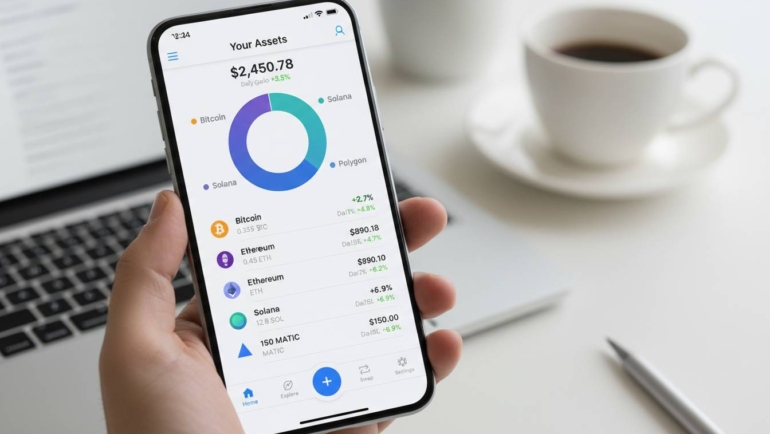
The platform’s interface works well. When users first log in, they see a clean dashboard showing their portfolio value, recent transactions, and buying options without being overwhelmed by technical charts or unfamiliar terms. The “Buy” and “Sell” buttons are easy to find, so beginners can execute their first trade within seconds of creating an account.
Coinbase supports over 200 cryptocurrencies, giving beginners access to Bitcoin, Ethereum, and many altcoins from one platform. This lets new investors explore different projects and find ones that match their interests without needing accounts on multiple exchanges.
Security at Coinbase includes two-factor authentication, biometric login for mobile users, and insurance coverage for digital assets held in online storage. The platform also keeps most customer funds in cold storage, meaning they stay disconnected from the internet and protected from hackers.
The main downside to Coinbase is its fee structure, which tends to be higher than some competitors. The platform charges spread fees of roughly 0.5% to 2% depending on transaction size, plus additional flat fees for certain transactions. However, many beginners find this trade-off worth it given the platform’s easier user experience and established reputation.
Kraken: Security-Focused Trading for New Users
Kraken has built its reputation on security and transparency, making it a good choice for beginners who care about keeping their digital assets safe. The platform has operated since 2011 without any major security breaches, a track record that gives new users confidence.
Beyond security, Kraken offers a comprehensive educational platform called Kraken Academy. This free resource walks beginners through cryptocurrency fundamentals, explaining blockchain technology, wallets, and trading strategies in plain language. New users can learn at their own pace, building confidence before risking real money.
Kraken’s fee structure is competitive. The platform uses a maker-taker model with fees starting at 0.16% for makers and 0.26% for takers, with volume discounts for more active traders. This transparency lets beginners know exactly what each transaction will cost.
Kraken also offers “Kraken Pro,” which provides more advanced charting and trading tools for those who eventually want to move beyond basic buy-and-hold strategies. Beginners can start with the simple interface and gradually explore more sophisticated tools as they get more comfortable.
Customer support at Kraken has had slower response times during busy periods in the past. However, the platform has invested in improving its support, and most users now receive helpful responses within reasonable timeframes.
Crypto.com: The All-in-One Ecosystem
Crypto.com has set itself apart by creating a comprehensive ecosystem that goes beyond simple cryptocurrency trading. For beginners interested in getting the most utility from their digital assets, this platform offers unique features that competitors don’t match.
The Crypto.com Visa card is the platform’s most distinctive feature. Users can load a prepaid card with their cryptocurrency and use it anywhere Visa is accepted, earning up to 5% cashback on purchases depending on the card tier. This bridges the gap between crypto and everyday spending in ways that appeal to beginners wanting practical use for their investments.
Staking options on Crypto.com let beginners earn passive income on their holdings. By locking certain cryptocurrencies in staking contracts, users can earn annual yields that beat traditional banking rates. Staking has its own risks, including potential slashing penalties and lock-up periods, but many beginners find the guaranteed returns attractive.
The platform’s mobile-first approach appeals to younger users comfortable managing finances through smartphone apps. The interface balances simplicity with functionality, providing quick access to trading while offering advanced features for those who want more.
Security measures at Crypto.com include multi-factor authentication, cold storage for customer assets, and a bug bounty program that rewards security researchers for finding vulnerabilities. These measures have helped Crypto.com maintain a strong security record despite its rapid growth.
What to Consider Before Choosing Your Platform
Picking the right cryptocurrency platform requires thinking about several factors beyond simple ease of use. Understanding these elements helps ensure beginners choose a platform that will work as their experience and goals grow.
Regulatory compliance should matter to every US-based investor. Legitimate platforms register with relevant financial authorities and comply with Know Your Customer and Anti-Money Laundering regulations. These requirements protect both users and the platform from illegal activity while ensuring some recourse if problems arise.
Fee structures need careful examination before committing to any platform. Beyond trading fees, consider withdrawal fees, deposit fees (especially for ACH or wire transfers), and any inactivity fees for dormant accounts. These additional costs can significantly impact returns, especially for beginners making smaller initial investments.
Customer support quality becomes critically important when issues arise. The cryptocurrency market operates 24 hours daily, but not all platforms offer support around the clock. Before funding an account, test the support channels to understand response times and the quality of help provided.
Insurance and asset protection vary across platforms. While no platform can guarantee complete protection against all losses, those offering insurance coverage for digital assets provide additional peace of mind for beginners uncertain about the risks of cryptocurrency investing.
Conclusion
The cryptocurrency market offers real opportunities for beginners willing to learn and engage responsibly with digital assets. The platforms highlighted in this guide have earned their reputations through years of serving new investors, combining easy-to-use interfaces with solid security and competitive fees.
Coinbase remains the top recommendation for those prioritizing ease of use above all else. Kraken appeals to beginners who value security and want access to educational resources. Crypto.com serves those looking to maximize utility from their holdings through staking rewards and practical spending options.
No matter which platform you choose, remember that cryptocurrency investment carries real risks. Start with money you can afford to lose, take advantage of educational resources each platform offers, and resist the temptation to invest based on hype or fear of missing out. With patience and disciplined strategy, these beginner-friendly platforms can help you build a foundation for long-term financial growth in cryptocurrency.
Frequently Asked Questions
What is the best crypto trading platform for beginners in the US?
Coinbase stands out as the best overall choice for beginners because of its intuitive interface, extensive educational resources, and strong regulatory compliance. The platform guides new users through every step of buying and selling cryptocurrency while maintaining solid security measures.
How much money do I need to start trading crypto?
Most platforms let you start with very small amounts, sometimes as low as $1 or $2. Coinbase, for example, permits purchases starting at $2 when using ACH bank transfers. This accessibility lets beginners learn with minimal financial risk before committing larger sums.
Are crypto trading platforms safe to use?
Major US-regulated platforms like Coinbase, Kraken, and Crypto.com implement extensive security measures including two-factor authentication, cold storage for customer funds, and insurance coverage. While no investment is completely risk-free, these platforms have strong track records protecting user assets.
Do crypto platforms charge fees?
Yes, all legitimate cryptocurrency platforms charge fees for trading, withdrawals, or both. These typically range from 0.1% to 2% per transaction depending on the platform and transaction size. Always review the complete fee schedule before creating an account to avoid unexpected costs.
Can I transfer my crypto between platforms?
Yes, most platforms support cryptocurrency transfers between exchanges. However, you must ensure both platforms support the same cryptocurrency and use compatible wallet addresses. Always double-check addresses before initiating transfers, since cryptocurrency transactions cannot be reversed.
What happens if a crypto platform goes bankrupt?
US-regulated platforms typically keep customer assets separate from company funds, meaning your cryptocurrency should remain protected even if the platform faces financial difficulties. Additionally, platforms like Coinbase carry insurance coverage that provides further protection for users.