16Views 0Comments
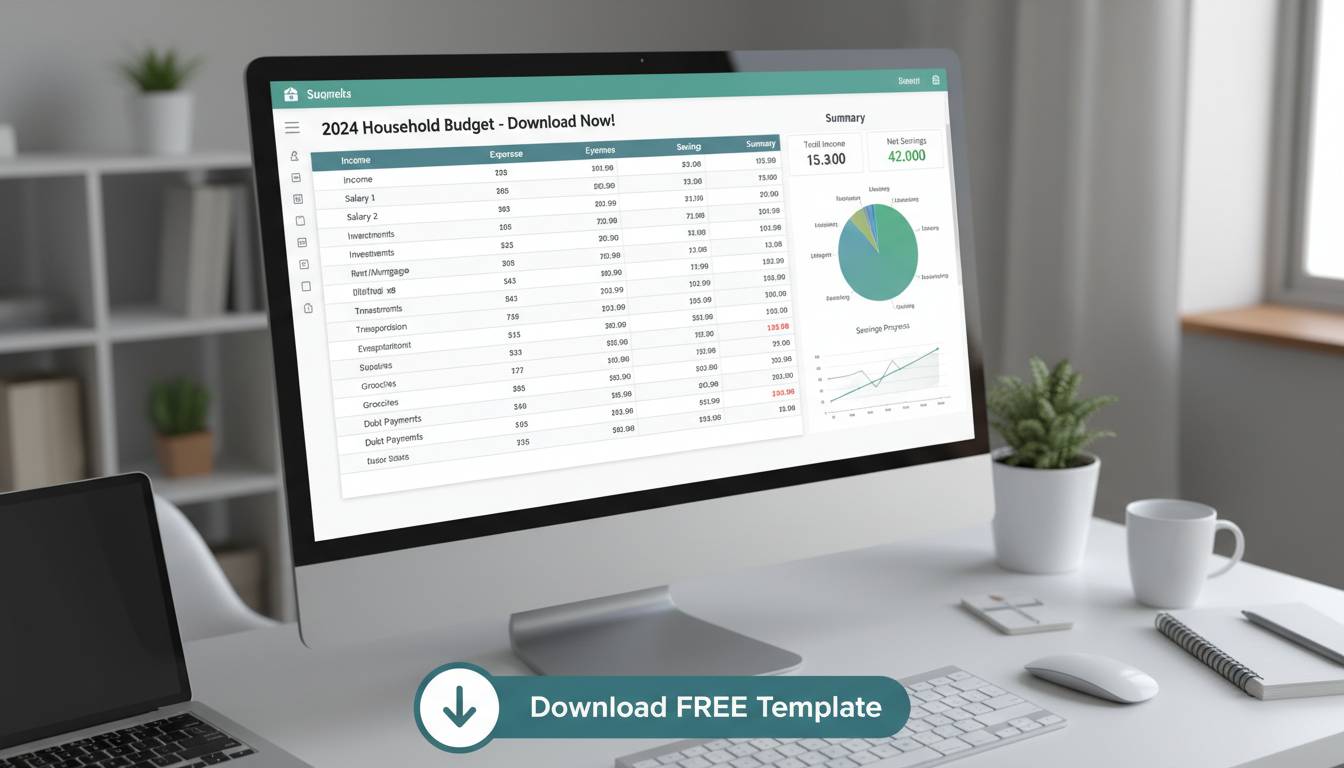
Best Free Budget Spreadsheet Templates 2024 – Download Now
Managing your finances starts with the right tools, and free budget spreadsheet templates remain the most accessible way to take control of your money without spending a dime. Whether you’re tracking monthly expenses, planning for savings goals, or managing household income, a well-designed budget template transforms raw numbers into actionable financial insights. In 2024, the availability of high-quality free templates has expanded significantly, with options ranging from simple bare-bones spreadsheets to comprehensive financial dashboards.
This guide evaluates the best free budget spreadsheet templates available this year, helping you find the perfect match for your financial situation and technical comfort level.
Why Free Budget Spreadsheet Templates Matter in 2024
The financial landscape has shifted dramatically, with inflation, housing costs, and economic uncertainty making budget management more critical than ever. According to a 2023 survey by the National Foundation for Credit Counseling, only 41% of Americans maintain a budget, yet those who do report significantly less financial stress and higher savings rates. Free spreadsheet templates remove the barrier of cost while providing structure that manual tracking simply cannot match.
Modern free templates offer features that previously required expensive software. Automated calculations, conditional formatting, and visual charts help you understand your financial health at a glance. The best templates work across devices—Google Sheets, Microsoft Excel, and Apple Numbers—all without subscription fees or hidden costs.
Key Advantages of Free Budget Templates:
– Zero upfront investment required
– Fully customizable to your specific needs
– Works offline once downloaded
– Learn fundamental spreadsheet skills
– No data sharing with third parties
Top Free Budget Spreadsheet Templates Available in 2024
Google Sheets Built-In Templates
Google Sheets offers several free budget templates directly through its template gallery. These templates sync across devices and automatically save to the cloud, eliminating version control issues.
| Template | Best For | Key Features |
|---|---|---|
| Annual Budget | Long-term planning | 12-month view, category tracking |
| Monthly Budget | Regular tracking | Expense categories, income vs. expenses |
| Wedding Budget | Event planning | Vendor categories, payment schedules |
| Debt Payoff Calculator | Debt management | Payment projections, interest tracking |
Google’s monthly budget template stands out for beginners due to its clean interface and automatic chart generation. Access these templates by opening Google Sheets, clicking “Template Gallery” in the upper right, and selecting “Personal” from the menu.
Microsoft Excel Free Templates
Microsoft offers an extensive library of free Excel templates through their website. While Excel requires a Microsoft 365 subscription for the full version, many basic templates work with the free Excel Online or the mobile app.
Recommended Excel Budget Templates:
– Personal Monthly Budget: Standard template with expense categorization and visual charts
– Family Budget Planner: Multi-person household tracking with shared expense categories
– Zero-Based Budget: Every dollar assigned a purpose, ideal for detailed planners
– Bill Tracker: Due date management and payment tracking
Excel templates generally offer more advanced formatting options than Google Sheets, including more sophisticated conditional formatting rules and pivot table capabilities for power users.
Vertex42 Templates
Vertex42 has provided free and premium spreadsheet templates for over fifteen years. Their budget templates are known for professional design and practical functionality.
Free Vertex42 Options:
– Simple Budget Worksheet
– Annual Budget Planner
– Household Budget Template
Vertex42 templates use Creative Commons licensing for their free versions, meaning you can modify and distribute them with attribution. Their designs tend to be more visually polished than built-in spreadsheet options.
Specialized Budget Templates by Category
Different financial situations require different approaches. Several organizations offer free templates tailored to specific needs:
Student Budget Templates
College students and recent graduates benefit from templates designed around irregular income, tuition payments, and limited expenses. The College Investor offers a free student budget template optimized for semester-based planning.
Small Business Budget Templates
Self-employed individuals and small business owners need templates that separate personal and business expenses. FreshBooks provides free templates specifically designed for freelancers tracking business income and expenses.
Debt Payoff Templates
Those focusing on debt reduction can access specialized templates from organizations like Ramsey Solutions and YNAB (You Need A Budget) that incorporate debt snowball or avalanche methods with payment tracking.
How to Choose the Right Budget Template for Your Needs
Selecting the appropriate template depends on your financial goals, technical comfort level, and specific tracking requirements. Consider these factors before downloading.
Assess Your Technical Comfort
Beginner Level: Choose templates with pre-formatted categories, automatic calculations, and built-in tutorials. Google Sheets monthly budget template fits this profile perfectly. The learning curve is minimal, and help resources are abundant.
Intermediate Level: If you’re comfortable with basic formulas and formatting, templates with multiple sheets, custom categories, and scenario planning offer greater flexibility. Vertex42 and Microsoft Excel templates suit this skill level.
Advanced Level: Power users should look for templates with pivot tables, macros, or integration capabilities. Some free templates include advanced features like automatic bank import (through Google Sheets add-ons) or multi-currency support.
Match Template to Your Financial Situation
Single Income Households: Simple monthly tracking templates with expense categorization work best. Focus on the 50/30/20 budget method categories: needs, wants, and savings.
Multiple Income Sources: Choose templates that accommodate irregular income, such as templates with income averaging or “pay yourself first” approaches.
Debt-Focused Goals: Select templates specifically designed for debt payoff tracking, with columns for principal, interest, and payoff dates for each debt.
Savings Goals: Templates with sinking fund trackers help you save for multiple goals simultaneously, allocating money toward various purposes within the same spreadsheet.
Consider Your Time Commitment
Realistic budget tracking requires regular maintenance. Be honest about how much time you’ll dedicate:
- 5 minutes weekly: Choose automated templates with minimal data entry
- 15-30 minutes weekly: Standard templates with category tracking
- 1+ hour weekly: Comprehensive templates with detailed expense logging
Using Your Budget Template Effectively
Downloading a template is only the first step. Success requires consistent use and strategic categorization.
Setting Up Your Template
Before entering any numbers, customize categories to reflect your actual spending patterns. Generic categories like “Entertainment” may need subdivision into “Streaming Services,” “Movies,” and “Gaming” for accurate tracking. The more specific your categories, the more actionable your insights become.
Initial Setup Steps:
1. Review all pre-populated categories
2. Add, remove, or rename categories to match your spending
3. Enter recurring income and expenses
4. Set realistic spending limits for each category
5. Create visual indicators (conditional formatting) for overspending
Maintaining Your Budget
The “set it and forget it” approach fails. Schedule specific times for budget maintenance:
- Weekly (15-20 minutes): Review transactions, categorize new expenses, check for errors
- Monthly (30-60 minutes): Compare actual spending to budgeted amounts, analyze variances, adjust categories for next month
- Quarterly (1-2 hours): Review progress toward goals, evaluate category limits, consider structural changes
Common Budget Template Mistakes to Avoid
Many people abandon budget templates within the first few months. Avoiding these common mistakes improves your chances of long-term success:
Mistake #1: Over-Complex Categories
Creating 50+ categories makes tracking tedious and数据分析 overwhelming. Start with 10-15 main categories and add subcategories only when necessary.
Mistake #2: Unrealistic Budgeting
Setting grocery budgets at $200 when you consistently spend $350 sets you up for failure. Base budgets on actual spending patterns, then adjust gradually.
Mistake #3: Ignoring Infrequent Expenses
Annual subscriptions, quarterly insurance payments, and holiday spending catch many budgeters off guard. Create “sinking fund” categories for predictable but irregular expenses.
Mistake #4: Tracking Without Analysis
Recording numbers without reviewing them provides no value. Schedule time to analyze your data and make informed decisions.
Advanced Budget Template Features and Customization
Once comfortable with basic budgeting, consider leveraging advanced features that transform spreadsheets into powerful financial tools.
Conditional Formatting for Visual Alerts
Conditional formatting automatically highlights cells based on their values, providing instant visual feedback:
- Green when spending is under budget
- Yellow when approaching budget limits (80%+)
- Red when exceeding budgeted amounts
Most free templates include basic conditional formatting, but you can customize rules through Format > Conditional Formatting in both Google Sheets and Excel.
Data Validation for Consistent Entry
Data validation restricts what values can be entered in cells, preventing errors and maintaining consistency. Create dropdown lists for categories, ensuring you type expenses consistently (e.g., always “Groceries” rather than sometimes “Grocery,” “Food,” or “Supermarket”).
Charts and Dashboards
Visual representations make financial data easier to understand. Most templates include basic pie charts showing expense distribution. For more sophisticated visualization:
- Create spending trend lines showing month-over-month changes
- Build category comparison bar charts
- Add sparklines for quick trend visualization within cells
Automation with Simple Formulas
Reduce manual work with these essential formulas:
- SUM: Add all values in a category
- SUMIF: Add values matching specific criteria
- AVERAGE: Calculate average spending over time
- IFERROR: Handle potential formula errors gracefully
Building Long-Term Financial Habits with Budget Templates
Budget spreadsheets work best as part of a comprehensive financial management system. Consider how your template fits into broader financial health.
Connecting Budgeting to Financial Goals
Your budget template should connect directly to specific financial objectives. Whether saving for a house, building an emergency fund, or planning retirement, every budget category should support at least one financial goal.
Goal Tracking Integration:
– Create separate “savings” line items for each goal
– Calculate what percentage of income goes toward each objective
– Set milestone targets and celebrate progress
Emergency Fund Management
Include emergency fund tracking within your budget spreadsheet. Calculate how many months of expenses your current savings would cover, and set targets (3-6 months is the standard recommendation).
Monthly Review Process
Transform budget tracking from chore to habit through structured monthly reviews:
- Gather statements: Collect all account statements for the month
- Reconcile accounts: Ensure your records match actual transactions
- Categorize spending: Assign every expense to a budget category
- Analyze variances: Identify where you over or underspent
- Adjust forward: Modify next month’s budget based on insights
Frequently Asked Questions
What is the best free budget spreadsheet template for beginners?
Google Sheets’ built-in Monthly Budget template is ideal for beginners. It offers a clean interface, automatic cloud saving, pre-built categories, and built-in chart generation. The learning curve is minimal, and you can access it from any device with internet access.
Can I use budget templates on my phone?
Yes, both Google Sheets and Microsoft Excel have mobile apps that work well with their respective templates. However, data entry is more comfortable on tablets or computers. The mobile apps are best for quick reviews and simple updates rather than extensive categorization work.
Are free budget templates secure?
Free templates from reputable sources (Google, Microsoft, established template websites) are generally secure. However, avoid downloading templates from unknown sources, as they may contain malware or formulas that export your data to external servers. Stick to official template galleries or well-known financial education websites.
How often should I update my budget spreadsheet?
Update your budget spreadsheet at least weekly during a dedicated session. Review transactions as they occur if possible, but weekly comprehensive updates are the minimum for effective tracking. Monthly reviews for analysis and adjustments complete the cycle.
Do I need Excel to use budget templates?
No, Google Sheets offers equivalent functionality for most budget tracking needs and is completely free. Apple Numbers is another free option for Mac and iOS users. All three platforms can open and edit Excel files, so template compatibility is rarely an issue.
Can I customize free budget templates for my specific needs?
Absolutely. One of the main advantages of spreadsheet templates is complete customizability. You can add or remove categories, change formulas, adjust formatting, and modify any aspect to fit your unique financial situation. Just be sure to save a backup of the original before making major changes.