3Views 0Comments
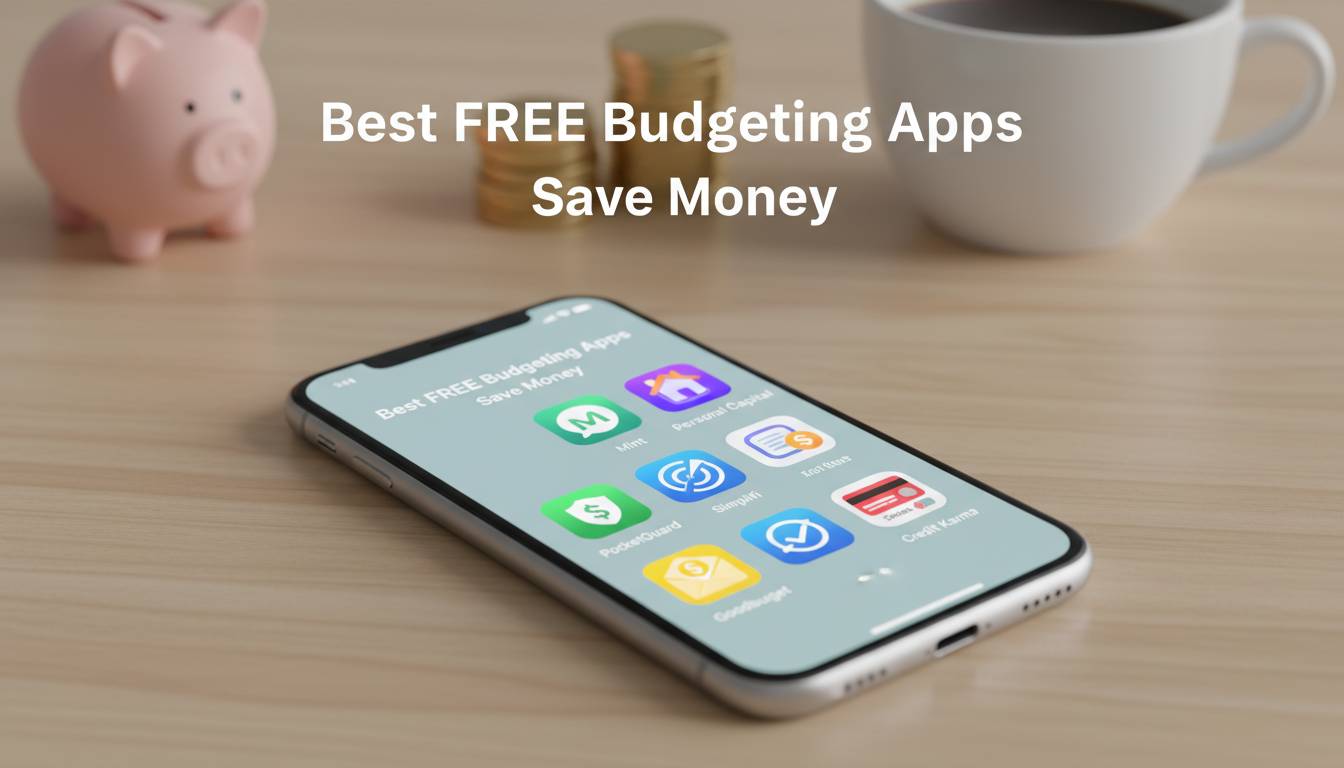
Best Free Budgeting Apps for iPhone Users – Save Money
Managing personal finances has become increasingly important as economic uncertainty persists and the cost of living continues to rise. For iPhone users, the App Store offers numerous budgeting applications designed to help track spending, set savings goals, and achieve financial stability—all without spending a dime. The best free budgeting apps combine intuitive interfaces with powerful features that rival their paid counterparts, making financial wellness accessible to everyone.
This comprehensive guide examines the top free budgeting apps available for iPhone users in 2025, comparing their features, usability, and effectiveness. Whether you’re new to budgeting or looking to switch from a paid app, these selections offer robust tools to take control of your money without any subscription fees.
Why Free Budgeting Apps Matter for Your Financial Health
The average American household carries over $6,000 in credit card debt, and nearly 60% of workers live paycheck to paycheck. These statistics from the Federal Reserve highlight a critical need for accessible financial tools that help people understand and manage their money more effectively.
Free budgeting apps remove the barrier to entry for financial management. Unlike expensive financial advisors or premium software subscriptions, these applications provide immediate value without costing anything upfront. This democratization of financial technology has transformed how millions of people approach personal finance, making it possible to track every dollar, identify spending patterns, and work toward specific savings goals.
Beyond basic expense tracking, modern free budgeting apps offer features previously reserved for premium services. Many now include automated categorization, bill tracking, credit score monitoring, and investment account synchronization. Understanding which features matter most for your specific situation can help you select the app that will actually get used—a critical factor, since studies show that users who actively engage with budgeting apps save significantly more than those who abandon complicated or feature-heavy alternatives.
Top Free Budgeting Apps for iPhone in 2025
Mint: The Comprehensive Financial Dashboard
Mint has remained the gold standard for free budgeting apps since its launch, and Intuit continues to improve this platform with regular updates and new features. The app connects directly to your bank accounts, credit cards, and investment portfolios, providing a complete financial picture in one place.
Key Features:
Mint automatically categorizes transactions from thousands of merchants, learning your spending patterns over time. The app tracks bills and sends reminders before payment due dates, helping you avoid late fees. You can set custom budget limits for each category, and Mint provides visual charts showing your spending trends over time. The built-in credit score tracker monitors your credit history without impacting your score.
What Sets It Apart:
The ability to track net worth automatically makes Mint particularly valuable. By linking investment accounts and retirement funds, you can see your complete financial position rather than just your checking account balance. This holistic view encourages smarter financial decisions across all accounts.
Limitations:
Some users report that the app’s free nature means you’ll see sponsored financial product recommendations. Additionally, customer support options are limited compared to paid alternatives.
Personal Capital: Best for Investment Tracking
While Personal Capital offers premium wealth management services, its free app provides exceptional value for iPhone users interested in tracking investments alongside everyday spending. The platform excels at helping users understand their complete financial picture, including retirement accounts and investment portfolios.
Key Features:
Personal Capital provides automatic transaction categorization similar to Mint, but with enhanced investment analysis tools. You can track asset allocation, monitor portfolio performance, and analyze investment fees. The retirement planner projects whether you’re on track to meet retirement goals based on current savings rates.
What Sets It Apart:
The investment analysis capabilities distinguish Personal Capital from other free apps. If you have multiple investment accounts or 401(k) holdings, the app consolidates everything into a clear dashboard showing asset allocation and performance. The fee analyzer alone can reveal thousands of dollars in hidden investment costs.
Limitations:
The interface feels more complex than simple budgeting apps, which may overwhelm users seeking basic expense tracking. Some features require linking investment accounts that not everyone possesses.
Goodbudget: Envelope Budgeting Made Digital
Goodbudget brings the proven envelope budgeting method into the digital age. Rather than tracking every individual transaction, this app focuses on allocating money into virtual envelopes for different spending categories, making it ideal for users who prefer a more intentional approach to budgeting.
Key Features:
The app uses a simple envelope system where you allocate money to categories like groceries, entertainment, and savings. You track income and expenses manually, which promotes greater awareness of spending habits. Multiple device synchronization allows couples or families to share budgets and track progress together.
What Sets It Apart:
The philosophy behind Goodbudget emphasizes giving every dollar a job, which resonates with users who struggle with the abstraction of modern banking. By requiring manual transaction entry, the app creates mindful spending habits that automated systems sometimes bypass.
Limitations:
Without bank account connections, you must manually enter transactions, which requires more effort than automatic syncing. The free version limits users to seven envelopes and one account, though this constraint actually helps users focus on their most important categories.
Honeydue: Collaborative Budgeting for Couples
Honeydue specifically addresses the unique challenges couples face when managing shared finances. The app allows partners to track individual and joint accounts while maintaining privacy where desired, making it particularly valuable for couples with different spending habits or financial arrangements.
Key Features:
Each partner can link their own accounts while sharing selected information with their counterpart. The app sends bill reminders and alerts for unusual transactions. Users can set custom notifications—some couples share everything while others keep specific accounts private. Split expense tracking helps couples divide shared costs fairly.
What Sets It Apart:
The combination of joint and individual tracking solves a common relationship friction point: the desire for transparency without sacrificing autonomy. Honeydue’s approach encourages financial communication without creating resentment over every purchase.
Limitations:
The app focuses specifically on couples and families, making it less suitable for single users. Advanced features like investment tracking require a premium subscription.
Expense Manager: Straightforward Spending Tracking
For users who want simplicity above all else, Expense Manager offers no-frills expense tracking without the complexity of connected accounts or automated features. This approach appeals to users who prefer complete control over their financial data and want to avoid sharing banking credentials with third-party services.
Key Features:
Manual expense entry with customizable categories and subcategories. Budget limits can be set for any category, with progress bars showing remaining budget. Multiple currency support makes this app valuable for international travelers or those with foreign income. Export capabilities allow data analysis in spreadsheet applications.
What Sets It Apart:
Complete data privacy since nothing connects to external accounts. Your financial information stays on your device, eliminating concerns about third-party data handling. The straightforward interface requires no learning curve.
Limitations:
Manual entry demands consistent discipline. Without automatic categorization, you must correctly classify every transaction. Reports and insights require more user interpretation than automated alternatives.
Feature Comparison: Finding Your Perfect Match
| App | Bank Sync | Credit Score | Investment Tracking | Best For |
|---|---|---|---|---|
| Mint | ✅ | ✅ | ✅ | Comprehensive finance tracking |
| Personal Capital | ✅ | ✅ | ✅ | Investment-focused users |
| Goodbudget | ❌ | ❌ | ❌ | Envelope budgeting method |
| Honeydue | ✅ | ✅ | ❌ | Couples and families |
| Expense Manager | ❌ | ❌ | ❌ | Privacy-focused users |
Each app serves different priorities, and the best choice depends entirely on your financial goals and preferred management style. Users with complex financial situations involving multiple accounts typically benefit most from connected apps like Mint or Personal Capital, while those seeking simplicity or privacy might prefer manual entry options.
Consider testing two or three apps for a week before committing. Most budgeting apps require a learning period, and you’ll quickly discover which interface and workflow matches your lifestyle. The app you actually use consistently will always outperform a more powerful app you abandon after a month.
How to Choose the Right Budgeting App for Your Needs
Selecting a budgeting app involves more than comparing feature lists. Your daily habits, technical comfort level, and specific financial goals should guide the decision. Start by honestly assessing your relationship with money and what attracted you to budgeting in the first place.
For Beginners New to Budgeting:
Mint and Personal Capital offer the gentlest introductions with their automatic features. You can connect accounts and start seeing insights immediately without learning a new system. The visual graphs and spending alerts provide feedback that reinforces positive habits.
For Privacy-Conscious Users:
If you’re uncomfortable sharing banking credentials with third-party apps, Expense Manager or Goodbudget provide excellent alternatives. These apps require more manual effort but keep your financial data exclusively on your device. This trade-off appeals to users concerned about data security or those who simply prefer maintaining direct control.
For Couples Managing Money Together:
Honeydue specifically addresses the communication challenges that arise when partners have different spending habits. The ability to share selectively while maintaining individual accounts reduces conflict and encourages transparency without强制 complete financial disclosure.
For Investment-Focused Planning:
Personal Capital’s investment analysis tools exceed what most paid apps offer. If you’re actively managing retirement accounts or building an investment portfolio, this free tool provides insights that would otherwise require expensive financial advisory services.
Maximizing Your Budgeting App for Real Savings
Downloading an app won’t automatically improve your finances—you must engage with it consistently. Research from the National Endowment for Financial Education indicates that users who spend just 10 minutes weekly reviewing their budgets save an average of 15% more than those who check less frequently.
Set Specific, Achievable Goals:
Rather than vague intentions to “save more,” establish concrete targets. Whether building a three-month emergency fund or paying off a specific credit card, goal-setting activates the psychological mechanisms that drive behavior change. Most budgeting apps include goal-tracking features—use them.
Review Weekly, Adjust Monthly:
Schedule a weekly finance review to categorize recent transactions and check progress toward budget limits. Monthly reviews should examine larger patterns and adjust category limits based on actual spending. This rhythm maintains awareness without becoming overwhelming.
Use Alerts Strategically:
Configure notification preferences to match your needs. Some users benefit from every-transaction alerts that create immediate awareness, while others find constant notifications annoying. Find your balance—the goal is reinforcement, not annoyance.
Link Accounts Strategically:
Connected accounts provide automatic accuracy but require careful security consideration. Use two-factor authentication on both your banking and budgeting apps. Regularly review which accounts are connected and remove those you no longer use.
Conclusion
Free budgeting apps have evolved into powerful financial tools capable of transforming how you manage money. Whether you choose Mint for its comprehensive features, Personal Capital for investment insights, Goodbudget for its envelope methodology, Honeydue for collaborative finances, or Expense Manager for simplicity, the key lies in consistent engagement.
The best budgeting app is ultimately the one you’ll use daily without frustration. With no financial investment required, you can experiment freely until finding your perfect match. Start with one app, commit to using it for 30 days, and adjust based on your experience. Your financial future will thank you for the small daily habit of awareness that compounds into significant long-term savings.
Frequently Asked Questions
Can I trust free budgeting apps with my bank login information?
Reputable budgeting apps like Mint and Personal Capital use bank-level encryption and security protocols. They use read-only access, meaning they can view your transactions but cannot move money. However, always verify the app’s security certifications and read privacy policies before connecting accounts. If you’re uncomfortable with bank connections, apps like Goodbudget and Expense Manager work without linking accounts.
Do free budgeting apps make money through my data?
Many free apps generate revenue through premium features, referral partnerships, or targeted financial product recommendations. Mint, for example, suggests financial products based on your profile. This business model allows them to offer robust free services. Review each app’s privacy policy to understand exactly how your data might be used or shared.
Can I use multiple budgeting apps simultaneously?
Yes, you can use multiple apps, though this creates more work reconciling transactions. Some users employ different apps for specific purposes—Mint for daily tracking and Personal Capital for investment analysis, for instance. However, managing multiple apps increases complexity and time commitment significantly.
What happens if I want to switch budgeting apps later?
Most apps allow you to export your data in spreadsheet formats. Before committing fully, check whether the app supports data export so you won’t lose your historical tracking if you switch later. Some apps offer import capabilities from competitors, making transitions smoother.
Are these apps available outside the United States?
Mint and Personal Capital primarily serve U.S. users, though they have some international availability. Goodbudget works globally, as it doesn’t require bank connections. If you’re outside the U.S., verify that the app supports your country’s banks and currency before depending on it for regular use.
Do I need to pay for any features within these “free” apps?
All the apps discussed offer functional free versions. However, each provides premium upgrades with additional features. Review what the free version includes before upgrading—most users find the free features entirely sufficient for effective budgeting without any purchase necessary.