2Views 0Comments
Crypto Trading for Beginners: Complete Guide to Profits
Cryptocurrency has grown from a niche experiment into a market worth over $1 trillion. For beginners in the United States, crypto trading offers real opportunities, but the landscape is complex and requires careful navigation. This guide covers what you need to know to start trading cryptocurrencies responsibly.
Understanding Cryptocurrency Trading Basics
Crypto trading means buying and selling digital currencies like Bitcoin, Ethereum, and thousands of altcoins through online platforms called exchanges. Unlike traditional stock markets that close at the end of the day, cryptocurrency markets run 24 hours a day, seven days a week. This means you can respond to price movements at any time, across any time zone.
The basic idea is straightforward: buy low, sell high. But actually making money at it requires understanding strategies, tools, and how to analyze markets. Cryptocurrency operates on decentralized networks using blockchain technology, which records transactions transparently.
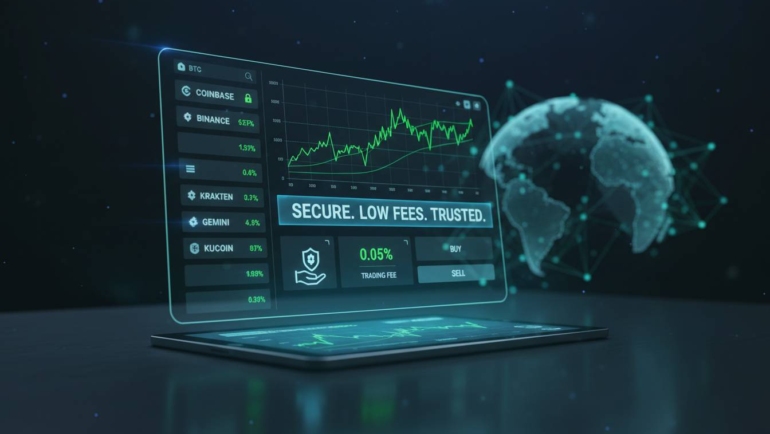
In the United States, crypto trading happens through regulated exchanges that follow federal and state laws. This includes know-your-customer requirements and anti-money laundering rules. Major exchanges serving US traders include Coinbase, Kraken, Gemini, and Binance.US. Each offers different features, fee structures, and cryptocurrency selections.
How Cryptocurrency Markets Work
Understanding how markets work is crucial for anyone getting into crypto trading. Prices discovery happens through continuous buy and sell orders placed by millions of participants worldwide. When buyers outnumber sellers, prices rise. When sellers dominate, prices fall.
Cryptocurrency prices respond to technological developments, regulatory announcements, macroeconomic conditions, and trends on social media. Bitcoin, as the largest cryptocurrency by market value, often sets the tone for the broader market. Many altcoins move in tandem with Bitcoin’s price.
Trading volume shows how much cryptocurrency traded within a specific period. High-volume markets offer better price stability and make it easier to enter or exit positions. Low-volume assets can swing dramatically, which can work for or against traders.
Market capitalization equals a cryptocurrency’s price multiplied by its circulating supply. This helps traders gauge the relative size and stability of different digital assets. Bitcoin and Ethereum together are worth more than $1 trillion. Smaller cryptocurrencies carry higher risk but potentially higher rewards.
Types of Crypto Trading Strategies
Traders use different strategies based on their risk tolerance, how much capital they have, and how much time they can dedicate to trading.
Day trading means executing multiple trades within a single day to profit from short-term price swings. This strategy requires significant time, fast decision-making, and tolerance for stress. Day traders often use charts and technical indicators to find entry and exit points, focusing on price patterns rather than the underlying value of assets.
Swing trading targets price movements over days or weeks. Traders using this approach try to capture bigger price swings without the constant attention that day trading demands. This strategy balances regular monitoring with flexibility to hold positions longer.
HODLing comes from a misspelling of “hold” that stuck. It refers to buying cryptocurrencies and holding them for years, betting on long-term appreciation while ignoring short-term volatility. Many successful Bitcoin investors have used this strategy since the early days.
Scalping is the most intensive style, making many small trades throughout the day to accumulate minor profits. This strategy requires sophisticated tools, low trading fees, and the ability to act quickly on market movements.
Essential Tools and Platforms for US Traders
Choosing the right trading platform affects your overall success. US traders need exchanges that follow local regulations while offering reliable service and competitive fees.
Centralized exchanges act as intermediaries, matching buyer and seller orders while holding user funds. These platforms offer easy-to-use interfaces, customer support, and extra features like staking. Coinbase, founded in 2012 and based in San Francisco, is one of the most popular options for American traders. It offers educational resources and a secure trading environment.
Decentralized exchanges (DEXs) enable peer-to-peer trading without intermediaries. They use automated market makers and smart contracts to facilitate transactions. Platforms like Uniswap and Raydium offer more privacy and access to newer tokens, though they require more technical knowledge to use effectively.
Trading wallets come in two forms: hot wallets connected to the internet for convenience and cold wallets stored offline for better security. Most exchanges provide built-in wallets. Many traders transfer significant holdings to hardware wallets like Ledger or Trezor for long-term storage.
Risk Management and Security Practices
Cryptocurrency volatility demands solid risk management to protect your capital. Professional traders rarely risk more than 1-2% of their portfolio on any single trade.
Stop-loss orders automatically sell assets when prices fall to predetermined levels, limiting losses on declining positions. Take-profit orders secure gains when prices reach target levels, removing emotion from trading decisions.
Diversifying across multiple cryptocurrencies reduces the impact of poor performance by any single asset. Spreading investments across different projects with varied use cases provides natural risk mitigation.
Security practices protect traders from theft and fraud. Two-factor authentication, unique passwords, and hardware wallet integration form the foundation of proper account security. Verify website URLs carefully to avoid phishing attacks. Never share private keys or seed phrases with anyone.
Only use money you can afford to lose. Cryptocurrency can drop significantly in short periods. Don’t trade with funds needed for essential expenses.
Regulatory Landscape in the United States
The US regulatory environment for cryptocurrency keeps changing. Multiple agencies claim oversight authority. The Securities and Exchange Commission (SEC) treats many digital assets as securities subject to federal registration requirements. The Commodity Futures Trading Commission (CFTC) regulates cryptocurrency derivatives and futures trading.
The Internal Revenue Service (IRS) treats cryptocurrency as property for tax purposes. Profits from trading are subject to capital gains taxes. Short-term gains from assets held less than one year are taxed as ordinary income. Long-term gains receive lower tax rates. Traders must report all transactions and keep records for tax purposes.
State regulations vary significantly. Some states require money transmitter licenses for cryptocurrency businesses. New York’s BitLicense is one of the strictest state requirements. Other states are more permissive.
Stay informed about regulatory developments. Sudden regulatory announcements can create significant market volatility.
Technical Analysis Fundamentals
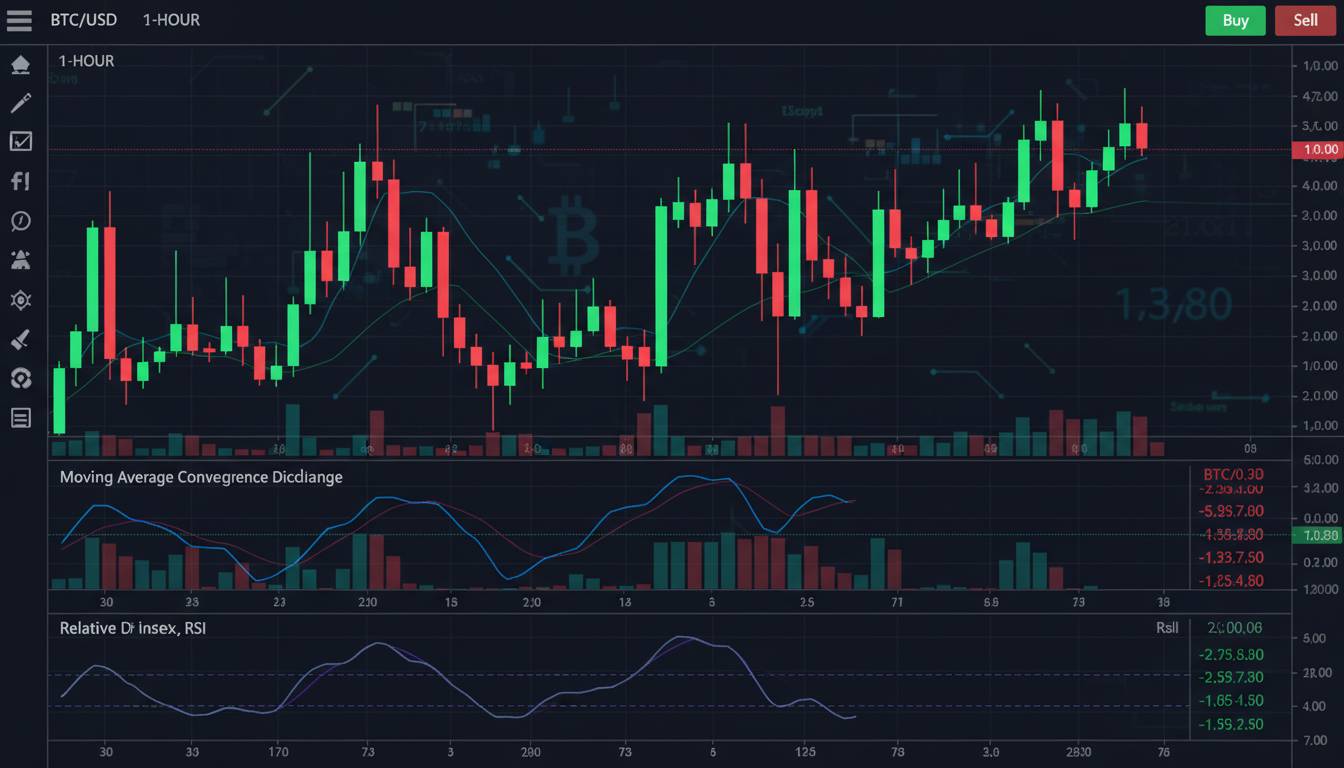
Technical analysis gives traders tools to interpret price movements and predict future trends. Charts display historical price data. Candlestick charts are the most popular format among crypto traders.
Moving averages smooth price data over specific periods, revealing underlying trends. The 50-day and 200-day moving averages are key indicators. When they cross, it often signals a potential trend reversal.
Relative Strength Index (RSI) measures the magnitude and speed of recent price changes, showing whether an asset is overbought or oversold. Values above 70 suggest overbought conditions that might lead to price declines. Values below 30 indicate oversold conditions that might precede price recoveries.
Support and resistance levels are price points where buying or selling pressure historically emerges. These levels help traders identify strategic entry and exit positions based on past market behavior.
Technical analysis offers useful insights, but combine it with fundamental analysis examining project utility, team expertise, and market adoption to make well-informed trading decisions.
Building a Trading Plan
Successful crypto trading requires more than understanding markets and tools. You need a structured approach defining your goals, strategies, and rules.
A trading plan should establish clear objectives, including profit targets, loss limits, and how much time you can commit. Define when you’ll trade and how you’ll manage your sessions. Many traders succeed by establishing routines, reviewing positions at consistent times, and avoiding trading during emotional highs or lows.
Keep a journal of your trades. Document entry and exit points, your reasoning behind decisions, and how you felt. This helps identify patterns in both successes and failures. You can refine strategies and avoid repeating mistakes.
Frequently Asked Questions
What is the minimum amount needed to start crypto trading?
You can start with $10 or $20 on most US exchanges. Many platforms allow fractional purchases, so you can get exposure to expensive cryptocurrencies like Bitcoin without buying whole coins. Starting small lets beginners learn without significant financial risk.
Is crypto trading legal in the United States?
Yes, cryptocurrency trading is legal in the United States. It operates under regulatory oversight from the SEC, CFTC, and state regulators. US residents must use exchanges that comply with federal and state laws, which typically require identity verification and tax reporting.
How do taxes work on crypto trading profits?
The IRS treats cryptocurrency as property. Profits from trading are subject to capital gains taxes. Short-term gains from assets held less than one year are taxed as ordinary income. Long-term gains receive preferential tax treatment. Traders must report all transactions.
Which cryptocurrency is best for beginners?
Bitcoin and Ethereum are the best starting points. They have established track records, high liquidity, and extensive learning resources available. These dominant cryptocurrencies have survived multiple market cycles and behave more predictably than smaller altcoins.
Can you lose all your money trading crypto?
Yes, you can lose all your money, especially when using leverage or trading highly volatile altcoins. Cryptocurrency markets can experience extreme price swings in very short periods. Use proper risk management, never invest more than you can afford to lose, and understand the markets thoroughly.
How do I choose a reputable crypto exchange?
Choose exchanges based on regulatory compliance, security features, fee structures, and available cryptocurrencies. US-based exchanges like Coinbase, Kraken, and Gemini have strong security records and comply with regulations. Check user reviews, verify regulatory status, and start with small deposits when testing new platforms.