3Views 0Comments

Cryptocurrency Investing for Beginners: Your Complete Guide
Cryptocurrency Investing for Beginners: A Complete Guide
Cryptocurrency has grown from an experiment into a legitimate asset class worth over $2 trillion. If you’re new to this space, the market can feel overwhelming—but it doesn’t have to be. This guide covers the essentials, from understanding how crypto works to making your first investment with confidence.
Cryptocurrency is digital money that uses cryptography for security. Instead of banks or governments controlling it, crypto runs on decentralized networks called blockchains. These networks spread transaction records across thousands of computers worldwide, making the system transparent and resistant to tampering.
A blockchain is essentially a chain of data blocks. Each block contains transaction information and a cryptographic link to the previous block. Once data is added, changing it retroactively becomes nearly impossible without network-wide agreement—which is exactly the point.
Bitcoin, created in 2009 by an anonymous figure (or group) called Satoshi Nakamoto, was the first cryptocurrency. Since then, thousands of others have appeared. Ethereum, launched in 2015, added “smart contracts”—self-executing agreements that developers can use to build apps, games, and financial tools.
One thing that surprises beginners: crypto markets never sleep. They’re active 24/7, including weekends and holidays. Prices move constantly based on news, regulation, technology updates, and plain old speculation. This creates opportunity, but also real risk that you need to understand before putting money in.
How to Start Investing in Cryptocurrency
Getting started involves a few practical steps. Here’s how to do it safely.
Choosing a Cryptocurrency Exchange
An exchange is a platform where you buy and sell crypto. Coinbase, Kraken, and Binance are the biggest names, and all work well for beginners. Each offers mobile apps, educational resources, and varying fee structures.
When comparing exchanges, prioritize security. Look for two-factor authentication, cold storage for customer funds, and insurance policies against hacks. Check whether the exchange operates in your country and complies with local regulations—in the US, that means SEC rules and identity verification requirements.
Setting Up Your Account
After choosing an exchange, you’ll create an account and verify your identity. This involves uploading a photo ID, proof of address, and answering some questions about your financial background.
The verification process can take hours or days, depending on the platform. It’s tedious, but it protects you and the exchange from fraud and helps prevent money laundering. Once verified, you can deposit money via bank transfer or debit card and start trading.
Understanding Wallets and Security
Exchanges hold your crypto while you trade, but you can also move funds into a personal wallet for better security. Hot wallets connect to the internet—they’re convenient for active trading. Cold wallets stay offline—they’re better for holding crypto long-term.
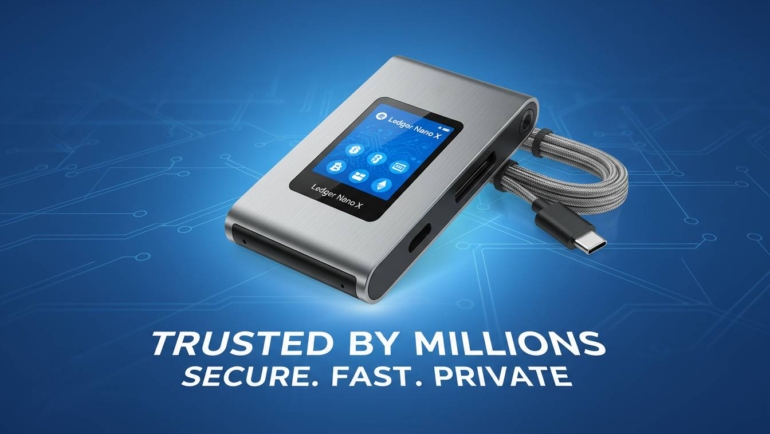
Hardware wallets are physical devices (think USB drive) that store your private keys offline. They’re the safest option for significant holdings. Software wallets are apps you install on your phone or computer—fine for smaller amounts or spending cash.
One critical point: if you lose your private keys or recovery phrase, your crypto is gone forever. No password reset, no customer support call. Write down your recovery phrase, store it somewhere safe (a safe deposit box works well), and never share it with anyone.
Best Cryptocurrencies for Beginners
Not all crypto is created equal. Some assets have been around for over a decade; others appeared last week and will disappear next month. Here’s where most beginners start.
Bitcoin
Bitcoin is the biggest and most recognized cryptocurrency. It has the highest market cap and the most trading volume, meaning you can always buy and sell easily. Major companies like Tesla and MicroStrategy hold Bitcoin on their balance sheets, and several countries have adopted it as legal tender.
Bitcoin’s supply is capped at 21 million coins—this scarcity is a big part of why investors find it attractive. It’s also the least volatile relative to smaller cryptos, though it still moves plenty.
Ethereum
Ethereum is the second-largest cryptocurrency by market cap. Unlike Bitcoin (which is primarily digital gold), Ethereum is a platform. Developers build apps on it, from games to financial tools to NFT marketplaces. This makes it more complex but also more versatile.
Ethereum completed a major upgrade in 2022 called “The Merge,” switching from energy-intensive mining to a faster, more efficient system. If you’re interested in blockchain technology beyond just money, Ethereum gives you exposure to that broader ecosystem.
Stablecoins
Stablecoins are cryptocurrencies designed to hold a steady value—usually $1. USDT, USDC, and DAI are popular examples. Some are backed by actual dollar reserves; others use algorithms to maintain their peg.
Why bother? Stablecoins let you dip your toe into crypto without riding Bitcoin’s roller coaster. They’re also useful for moving money between exchanges quickly when you want to pause on volatile assets.
Risk Factors Every Beginner Should Consider
Crypto is risky. Not “maybe I’ll lose 10%” risky—I’m talking about “your investment could drop 80% or disappear entirely” risky. Here’s what you’re up against.
Volatility and Market Risk
Crypto prices swing wildly. A 20% move in a single day isn’t unusual; some coins have doubled or halved in hours. This isn’t like the stock market, where big moves make headlines. In crypto, it happens weekly.
The cause? Pure speculation. Most crypto doesn’t generate profits, pay dividends, or produce anything tangible. Prices rise when people think they’ll rise—and fall just as fast when sentiment shifts.
The golden rule: only invest money you can afford to lose completely. Keep an emergency fund. Don’t cash out your retirement to buy Bitcoin.
Regulatory risk is also real. Governments are still figuring out how to tax, regulate, or ban crypto. A sudden announcement from a major country can crash prices overnight.
Security and Fraud Risks
Blockchains themselves are secure, but the ecosystem around them is full of vulnerabilities. Exchanges get hacked. Scammers run phishing emails. Fake projects take your money and vanish.
Centralized exchanges hold your keys, which makes them convenient but also makes them targets. Some major hacks have cost users billions. Even careful people get tricked—scammers are creative and patient.
The space is also full of outright scams: Ponzi schemes, rug pulls (developers pump a coin, take your money, and disappear), fake exchanges, and too-good-to-be-true investment clubs. If someone promises guaranteed returns, walk away.
Investment Strategies for Beginners
Here’s how to actually invest once you’re ready. Two approaches work well for beginners.
Dollar-Cost Averaging
Instead of trying to time the market (which almost no one can do), invest a fixed amount on a schedule—say, $100 every month. When prices are high, your $100 buys less. When prices crash, it buys more. Over time, your average cost tends to smooth out.
This removes the emotional stress of watching prices daily. You set it up, automate it, and stop checking constantly.
Long-Term Holding
Long-term holding (or “HODLing,” as the community jokes) means buying crypto and sitting on it for years. You’re betting that adoption grows and prices rise over time, regardless of short-term crashes.
This strategy requires conviction. You’ll watch your portfolio drop 50% or more at some point. The question is whether you still believe in the thesis when that happens. Historically, Bitcoin has recovered from every major crash—but that doesn’t guarantee it always will.
Conclusion
Crypto isn’t going away, and it offers real opportunities—but it’s not a get-rich-quick scheme. Start with education, use reputable platforms, secure your assets properly, and only invest money you can afford to lose. Begin with small amounts, learn as you go, and adjust your strategy as you gain experience. The market will keep evolving. Your job is to stay curious, stay cautious, and make informed decisions.
Frequently Asked Questions
Is cryptocurrency safe for beginners?
Nothing in crypto is “safe” in the traditional sense, but beginners can reduce risks by using established exchanges, enabling two-factor authentication, storing holdings in personal wallets, and never investing more than they can afford to lose.
How much money do I need to start investing in cryptocurrency?
You can start with $10 or less on most exchanges. Just make sure you have emergency savings first—crypto should be a small part of a diversified portfolio, not your entire net worth.
What is the best cryptocurrency to buy as a beginner?
Bitcoin and Ethereum are the standard recommendations. They’re liquid, established, and widely understood. Avoid meme coins and obscure altcoins until you know what you’re doing.
Do I need to pay taxes on cryptocurrency investments?
In the US, yes. The IRS treats crypto as property. Selling at a profit triggers capital gains taxes; losses can offset other gains. Keep detailed records of every transaction.
How do I know if a cryptocurrency is legitimate?
Look for transparent teams, real use cases, active communities, and listing on major exchanges. Be extremely skeptical of projects promising guaranteed returns or refusing to share basic information.
Should I use a hot wallet or cold wallet?
Use a hot wallet for money you plan to trade soon. Move long-term holdings to a hardware wallet (cold storage). Many people do both: a small amount in a hot wallet for trading, the rest in cold storage for security.