13Views 0Comments
How to Buy Bitcoin for Beginners: Step-by-Step Guide
Bitcoin has transformed from a niche digital experiment into a mainstream asset worth over $1 trillion in market capitalization. If you’re considering buying your first Bitcoin, the process is more accessible than ever—but understanding the fundamentals first will protect your investment and save you from costly mistakes. This guide walks you through every step, from selecting an exchange to securing your holdings, with practical advice tailored for US-based investors.
Why Bitcoin Matters in 2025
Bitcoin functions as a decentralized digital currency operating on a blockchain network without central authority interference. Transactions are verified through cryptographic algorithms and recorded on a public ledger that anyone can inspect. Unlike traditional currencies governed by central banks, Bitcoin’s supply is capped at 21 million coins, making it inherently deflationary—a characteristic that attracts investors seeking alternatives to fiat currency inflation.
The cryptocurrency has demonstrated remarkable growth since its 2009 launch, with institutional adoption accelerating dramatically in recent years. Major corporations including Tesla, Square, and numerous hedge funds have added Bitcoin to their balance sheets. This mainstream acceptance has reduced barriers to entry while simultaneously increasing regulatory scrutiny, creating a more mature but complex landscape for new buyers.
Understanding why you want to own Bitcoin matters before purchasing. Are you investing for long-term appreciation, making speculative trades, or using it for transactions? Your purpose influences how much to buy, which exchange to use, and where to store it. Financial advisors generally recommend allocating no more than 1-5% of a diversified portfolio to cryptocurrency, given its volatility.
Choosing the Right Cryptocurrency Exchange
The exchange you select determines your trading experience, fee structure, security features, and available payment methods. US-based investors have several reputable options, each with distinct advantages.
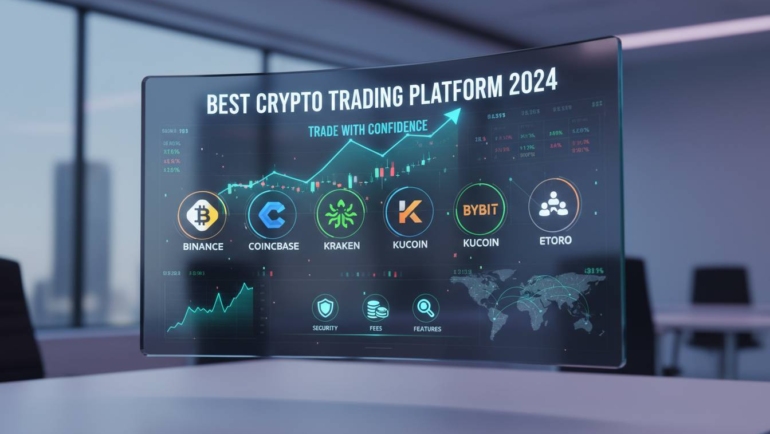
Coinbase remains the largest US-based exchange by trading volume, serving over 100 million users worldwide. Its intuitive interface makes it particularly suitable for first-time buyers, and the platform is publicly traded on NASDAQ (NASDAQ:COIN), providing additional regulatory oversight. New users can purchase Bitcoin within minutes using a bank account, debit card, or wire transfer. Coinbase charges convenience fees ranging from $0.99 to $2.99 for transactions under $200, with lower percentages for larger purchases.
Binance.US offers lower trading fees than many competitors, making it attractive for those planning frequent transactions. The platform provides access to hundreds of cryptocurrency pairs beyond Bitcoin. However, its interface assumes some prior knowledge, and US users face more limited features compared to the international platform due to regulatory restrictions.
Kraken distinguishes itself through advanced security measures and lower fees for high-volume traders. The exchange supports fiat currency deposits through multiple methods and offers futures trading for more experienced users. Its verification process takes longer than Coinbase but provides greater flexibility for large purchases.
When evaluating exchanges, consider these critical factors: insurance protection for funds, two-factor authentication availability, withdrawal limits, and whether the platform supports the payment method you prefer. Research each exchange’s fee schedule carefully, as costs vary significantly between platforms and can eat into returns, especially for small initial purchases.
Setting Up Your Account
Once you’ve selected an exchange, the account creation process typically takes 15-30 minutes. You’ll need government-issued identification, a smartphone number, and bank account information. The Know Your Customer (KYC) requirements exist to prevent fraud and comply with US anti-money laundering laws.
Start by visiting your chosen exchange’s website or downloading its mobile app from the Apple App Store or Google Play Store. Creating an account requires providing your email address and generating a strong password. Enable two-factor authentication immediately—this is non-negotiable for protecting your assets. I recommend using an authenticator app rather than SMS codes, as SIM-swapping attacks have compromised cryptocurrency accounts in the past.
Next, complete identity verification by uploading a photo of your driver’s license or passport. Most exchanges provide instant verification for standard documents, though some cases require manual review taking 24-48 hours. During this process, you’ll also link your bank account, which enables ACH transfers for funding purchases.
Understanding account tiers matters because they determine withdrawal limits and available features. Starter accounts might limit you to $5,000 in daily withdrawals, while fully verified accounts can access higher limits. Complete all verification steps upfront to avoid frustrations when you’re ready to move your Bitcoin off the exchange.
Funding Your Account and Making Your Purchase
Funding methods vary in speed and cost. ACH bank transfers are free but take 3-5 business days to clear. Wire transfers arrive within 1-2 business days but may carry $10-25 fees. Debit card purchases provide instant funding but typically include convenience fees of 3-5%.
For your first purchase, I recommend ACH transfer if you can wait a few days—it’s the most cost-effective method for beginners. Once your account shows available funds, you’re ready to buy Bitcoin. Navigate to the trading interface and select Bitcoin from the available assets. Enter the dollar amount you wish to spend or the exact Bitcoin quantity you want to purchase.
Review the transaction summary carefully before confirming. You’ll see the current Bitcoin price, the exchange fee, and the final amount you’ll receive. Bitcoin prices fluctuate continuously, so the final cost might differ slightly from the quoted price during high-volatility periods. This is normal—cryptocurrency markets operate 24/7.
After confirming your purchase, Bitcoin typically appears in your exchange wallet within minutes. However, some transactions require additional confirmations on the blockchain network before funds become fully accessible. The exchange will display confirmation status in your transaction history.
Understanding Bitcoin Wallets and Storage Options
Keeping Bitcoin on an exchange exposes you to counterparty risk—your funds depend on the exchange remaining solvent and secure. For amounts exceeding a few hundred dollars, transferring your Bitcoin to a personal wallet provides significantly better security.
Hardware wallets like Ledger and Trezor store your private keys offline, making them resistant to hacking attempts. These devices cost $50-200 but represent the gold standard for cryptocurrency security. When setting up a hardware wallet, you’ll receive a 24-word recovery phrase. Write this down on paper and store it securely—anyone with access to these words can steal your Bitcoin. Never store digital copies or share them with anyone.
Software wallets run on your computer or smartphone and provide convenient access for smaller amounts. Exodus, Atomic Wallet, and Trust Wallet offer user-friendly interfaces suitable for beginners. These hot wallets remain connected to the internet, creating some vulnerability, but modern encryption significantly reduces risks when using strong passwords and enabling biometric authentication.
Your choice between hardware and software wallets depends on your holdings and comfort level. A common strategy uses a hardware wallet for long-term holdings while keeping smaller amounts in a software wallet for regular access. Regardless of wallet type, never share your private keys or recovery phrase with anyone—including customer support representatives. Legitimate companies never ask for this information.
Common Mistakes to Avoid
New Bitcoin buyers frequently make preventable errors that compromise security or increase costs. Avoiding these pitfalls protects your investment.
Buying the full amount available on credit cards ranks among the most dangerous mistakes. Cryptocurrency purchases with credit cards count as cash advances, typically incurring 3-5% fees plus higher interest rates from day one. This approach often results in paying significantly more than Bitcoin’s market value.
Failing to enable two-factor authentication has led to countless thefts. The added security step takes moments to set up but prevents unauthorized access even if someone obtains your password. Use a password manager to generate unique, complex passwords for each exchange.
Ignoring tax implications creates legal problems later. The IRS treats Bitcoin as property, meaning every sale triggers capital gains taxes. Document your purchase price and date for each transaction. Failure to report cryptocurrency gains can result in penalties and audits.
Panic selling during price drops represents an emotional response that locks in losses. Bitcoin’s price has experienced numerous drawdowns exceeding 50% yet has recovered to new highs each time. If you believe in Bitcoin’s long-term value, short-term volatility becomes less concerning.
The Path Forward
Buying Bitcoin represents just the beginning of your cryptocurrency journey. Continue educating yourself about blockchain technology, market dynamics, and evolving regulations. Consider dollar-cost averaging—investing fixed amounts regularly regardless of price—to reduce timing risk. Reassess your portfolio allocation periodically as your financial situation changes.
The cryptocurrency landscape continues evolving rapidly. New regulations, technological developments, and market dynamics will influence your experience as a holder. Stay informed through reputable sources, and never invest more than you can afford to lose. Bitcoin remains a highly volatile asset, and while it has generated substantial returns for early adopters, past performance never guarantees future results.
Frequently Asked Questions
Is it legal to buy Bitcoin in the United States?
Yes, buying Bitcoin is legal in the United States. Cryptocurrency exchanges must comply with federal and state regulations, including Know Your Customer (KYC) and anti-money laundering (AML) requirements. The IRS also requires you to report Bitcoin transactions for tax purposes. Some states have additional licensing requirements for exchanges, but major platforms operate legally across most of the country.
How much money do I need to start buying Bitcoin?
You can buy fractions of Bitcoin—some exchanges allow purchases starting at $1. However, most exchanges have minimum purchase amounts between $2 and $10. Beyond the purchase amount, consider transaction fees, which can represent a significant percentage for very small buys. Starting with $50-100 allows you to learn the process while keeping fees manageable.
What is the best time to buy Bitcoin?
Timing the market is notoriously difficult, even for professionals. Instead of trying to predict price movements, many investors use dollar-cost averaging—buying a fixed dollar amount at regular intervals regardless of price. This strategy smooths out volatility and removes emotional decision-making. If you have a long-term investment horizon, the specific timing matters less than consistent participation.
Should I keep my Bitcoin on the exchange or move it to a wallet?
For small amounts you’re actively trading, keeping Bitcoin on a reputable exchange is convenient. For holdings exceeding a few hundred dollars, transferring to a personal wallet provides substantially better security. Hardware wallets offer the best protection for long-term storage. Remember that losing access to a personal wallet means losing your Bitcoin permanently—there’s no password reset option.
What fees should I expect when buying Bitcoin?
Exchange fees vary by platform and transaction size. Coinbase charges $0.99-$2.99 for transactions under $200, then 1.49% for larger purchases. Binance.US offers fees around 0.1% for makers and 0.6% for takers. Bank transfers are typically free, while debit card purchases incur 3-5% convenience fees. Network fees for transferring Bitcoin to personal wallets vary based on blockchain congestion, typically ranging from $1-30.
Can I lose all my money buying Bitcoin?
Yes, Bitcoin’s price can drop to zero, and numerous cryptocurrencies have become worthless over time. Bitcoin has survived multiple crashes but faces competition from thousands of alternative cryptocurrencies. Never invest more than you can afford to lose, and view Bitcoin as a high-risk, high-reward component of a diversified portfolio rather than your primary investment strategy.