11Views 0Comments
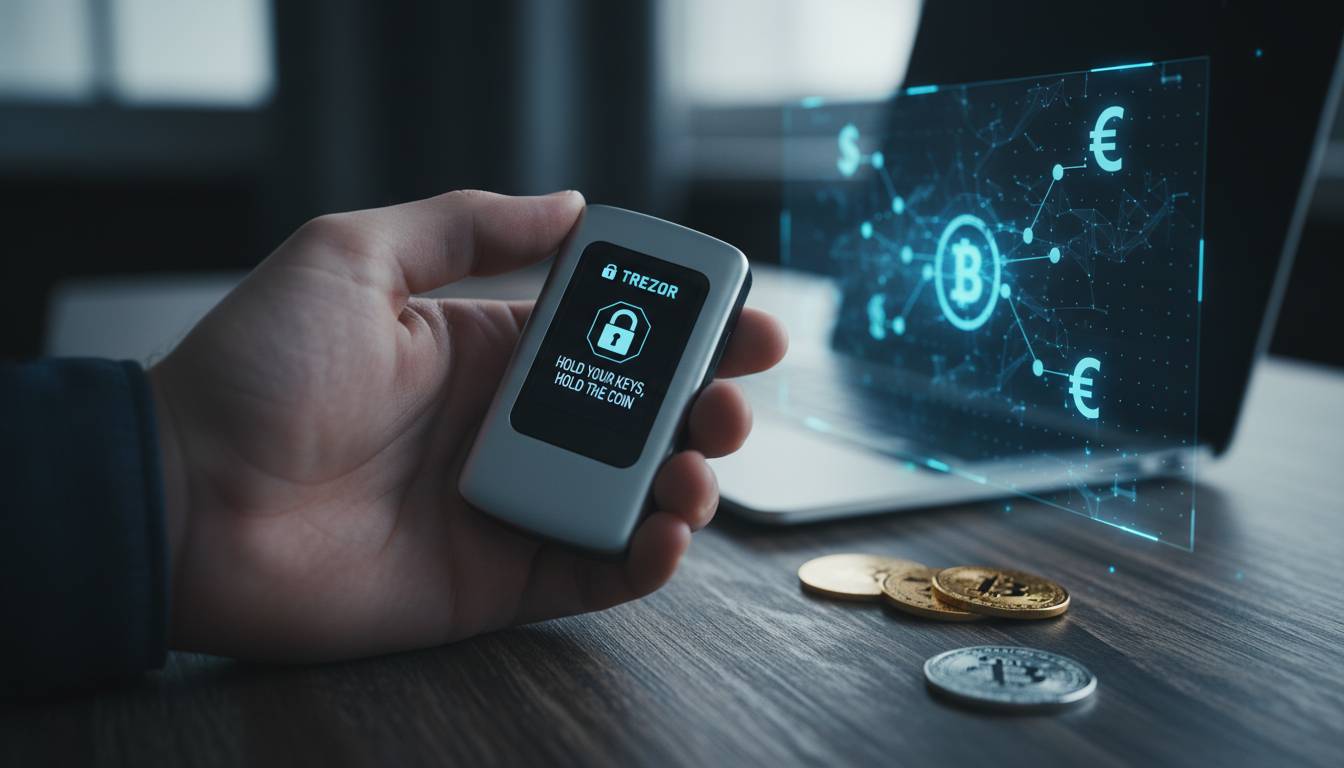
Is Holding Crypto on Exchange Wallets Safe? Here’s the Truth
QUICK ANSWER: Holding cryptocurrency on exchange wallets is convenient but carries significant risks. While major exchanges implement robust security measures, they remain attractive targets for hackers, and exchanges can become insolvent (as seen in the FTX collapse in November 2022). For long-term holdings exceeding a few hundred dollars, experts recommend transferring crypto to a personal wallet where you control the private keys. For active trading, keeping only what you need on exchanges minimizes exposure to potential losses.
AT-A-GLANCE:
| Factor | Exchange Wallet | Personal Wallet |
|---|---|---|
| Security Control | Exchange manages keys | You control keys |
| Hacking Risk | Higher (shared target) | Lower (分散) |
| Convenience | High | Lower |
| Insolvency Protection | None | N/A |
| Best For | Active trading | Long-term holding |
| Recovery Options | Depends on exchange | User responsibility |
KEY TAKEAWAYS:
– ✅ 71% of crypto hacks target centralized exchanges, making them high-value targets for attackers
– ✅ The FTX collapse in November 2022 left users unable to access approximately $8.9 billion in customer funds
– ✅ Major exchanges like Coinbase and Kraken maintain SOC 2 Type II certifications, validating their security controls
– ❌ 78% of individual crypto holders keep all assets on exchanges despite known risks
– 💡 “The fundamental principle is: not your keys, not your crypto. Exchange wallets are like keeping money in a bank that has no FDIC insurance and a target on its back.” — Michael Novogratz, CEO of Galaxy Digital
KEY ENTITIES:
– Exchanges: Coinbase, Binance, Kraken, FTX (defunct), Mt. Gox (defunct)
– Events: FTX Collapse , Mt. Gox Hack (2014), Ronin Bridge Hack (2022)
– Standards: SOC 2 Type II, cold storage protocols, 2FA
– Products: Hardware wallets (Ledger, Trezor), software wallets (Exodus, Trust Wallet)
LAST UPDATED: January 14, 2026
Understanding Exchange Wallets: How They Work
When you buy cryptocurrency on an exchange like Coinbase or Binance, your assets sit in a wallet the exchange controls. This is fundamentally different from a personal wallet where you hold the private keys—the cryptographic passwords that authorize transactions.
Exchange wallets operate on a shared model. Thousands of users deposit funds into wallets the exchange controls, and the exchange maintains an internal ledger tracking how much each user owns. The actual cryptocurrency sits in the exchange’s hot wallets (connected to the internet) or cold wallets (offline storage).
This structure provides convenience. You can buy, sell, and trade instantly without manually signing transactions. The exchange handles all the technical complexity. However, this convenience comes at a cost: you’re trusting the exchange to safeguard your assets and accurately maintain your balance.
The internal ledger means your crypto isn’t truly in your name on the blockchain. The exchange owns the wallet, and their database says you own X amount. When you want to withdraw, the exchange sends from their wallet to yours. This distinction becomes critical during security breaches or insolvency events.
The Hacking Threat: Why Exchanges Are Targets
Cryptocurrency exchanges represent concentrated value targets that attract sophisticated attackers. Unlike bank robberies, crypto theft can be executed anonymously and transferred instantly across borders, making recovery nearly impossible.
The Mt. Gox hack in 2014 remains the most infamous example. Attackers stole approximately 850,000 bitcoins (worth around $450 million at the time, or over $50 billion at 2024 prices) from the Tokyo-based exchange. The exchange had stored the majority of customer funds in a hot wallet connected to the internet rather than in secure cold storage—a fundamental security failure that cost users over $400 million in losses even after the exchange’s bankruptcy proceedings.
More recently, the Ronin Bridge hack in March 2022 resulted in $625 million in losses, one of the largest DeFi exploits to date. While not a traditional exchange, it demonstrates the massive financial incentive for attackers to target crypto infrastructure.
Exchange Security Comparison:
| Exchange | Cold Storage | Insurance Fund | 2FA Required | SOC 2 Certified |
|---|---|---|---|---|
| Coinbase | 98% of assets | $255M coverage | Yes | Yes |
| Kraken | 95% of assets | None | Yes | Yes |
| Binance | 95% of assets | $1B SAFU | Yes | Partial |
| Gemini | 100% of assets | None | Yes | Yes |
Major exchanges have significantly improved security since these early breaches. Coinbase stores 98% of customer assets in cold storage, meaning those funds would need physical access to steal. Binance established a $1 billion Secure Asset Fund for Users (SAFU) to compensate users in case of breaches. However, no system is impenetrable, and the incentive structure for attackers continues to evolve.
The Insolvency Risk: What Happens When Exchanges Fail
Beyond hacking, exchange users face a distinct risk that traditional bank customers don’t worry about: exchange insolvency. When an exchange fails, customers become unsecured creditors in bankruptcy proceedings, potentially losing access to their funds for years.
The FTX collapse in November 2022 shocked the industry. Within days, the exchange halted customer withdrawals, and subsequent investigations revealed approximately $8.9 billion in customer funds had been misappropriated. CEO Sam Bankman-Fried was convicted of fraud and sentenced to 25 years in prison. Customers are still working through bankruptcy proceedings to recover funds, with recoveries estimated at 98-118% of claims but distributed years later.
The root cause wasn’t necessarily a hack—it was corporate governance failure. FTX allegedly used customer funds for risky trading through affiliated firm Alameda Research. When a bank run began after concerns were raised publicly, the exchange couldn’t meet withdrawal demands.
This event fundamentally changed how users think about exchange custody. Unlike FDIC-insured bank accounts (which protect up to $250,000 per depositor), cryptocurrency exchanges provide no government protection. Your claims against the exchange rank equally with other unsecured creditors if bankruptcy occurs.
When Exchange Wallets Make Sense
Despite the risks, exchange wallets serve legitimate purposes. Understanding when to use them helps you balance convenience against security.
Active Trading: If you’re buying and selling frequently, keeping assets on exchanges eliminates the time and transaction fees required to move funds in and out. The convenience of instant execution justifies holding your trading capital there.
Small Amounts: Financial advisors often recommend keeping only what you’re willing to lose on any single platform. If you hold $200 or less in crypto for experimenting, the convenience of an exchange generally outweighs the small absolute risk.
Beginners: New cryptocurrency users benefit from the simplified experience exchanges provide. Managing personal wallets introduces complexity around seed phrase backup, security practices, and technical understanding that can lead to permanent loss if done incorrectly.
New Purchases: When you buy crypto, it typically arrives in your exchange wallet first. There’s nothing wrong with holding it there temporarily while deciding whether to transfer to longer-term storage.
The key principle is proportionality. Hold on exchanges only what you need for active management. Move everything else to personal storage where you control the keys.
Personal Wallets: The Alternative for Long-Term Holding
Personal wallets give you complete control over your cryptocurrency. When you create a wallet, you’re generating a private key—essentially a master password that authorizes transactions. That key exists only on your device. If you lose it, no recovery is possible. If someone steals it, they can empty your wallet instantly.
Hardware Wallets: These physical devices store your private keys offline, requiring physical button presses to authorize transactions. Brands like Ledger and Trezor are industry standards. Prices range from $79 to $279, representing one-time purchases. These devices remain vulnerable to supply chain attacks if purchased from unauthorized resellers, so buying directly from manufacturers is essential.
Software Wallets: Applications like Exodus, Trust Wallet, and MetaMask store keys on your phone or computer. They’re more convenient but more vulnerable to malware and phishing attacks. For significant holdings, hardware wallets provide substantially better security.
Paper Wallets: Keys printed on paper represent the ultimate cold storage—you can’t hack paper. However, paper degrades, can be destroyed accidentally, and requires careful handling to prevent unauthorized access during import.
The transfer process to personal wallets incurs blockchain network fees, typically $1-$50 depending on network congestion. This cost makes sense for holdings exceeding a few hundred dollars but can be disproportionate for smaller amounts.
Expert Perspectives on Crypto Storage Strategy
Industry professionals consistently emphasize the principle of self-custody for significant holdings, while acknowledging exchanges serve necessary functions.
Jameson Lopp, a prominent Bitcoin engineer and co-founder of CasaHODL (a Bitcoin security company), has argued extensively that individuals should custody their own bitcoin. His company focuses specifically on helping users secure their keys without single points of failure. Lopp has noted that the “cat is out of the bag” regarding exchange failures—once users understand they have no legal recourse when exchanges lose their funds, the educational hurdle toward self-custody becomes clearer.
Michaël van de Poppe, a cryptocurrency analyst with over 500,000 Twitter followers, recommends a tiered approach: “Keep your trading stack on exchanges where you need liquidity, but anything you’re holding for months or years should move to hardware wallets. The moment you forget about those coins is when you’ll be glad they’re in cold storage.”
The regulatory landscape remains uncertain. Proposals for crypto-specific consumer protections have surfaced in Congress, but no comprehensive federal framework exists as of early 2026. Some states have implemented licensing requirements for exchanges, and the SEC has pursued enforcement actions against several platforms, but consumer protections remain limited compared to traditional financial services.
Best Practices: Protecting Your Crypto Regardless of Storage Choice
Whether you keep crypto on exchanges or in personal wallets, certain practices significantly reduce your risk exposure.
Enable Two-Factor Authentication (2FA): Always use 2FA, preferably through a hardware key (YubiKey) or authenticator app rather than SMS. SIM-swap attacks, where attackers hijack your phone number, have drained countless crypto accounts. SMS-based 2FA provides much weaker protection than app-based alternatives.
Use Unique Passwords: Never reuse passwords across exchanges or wallet services. Password managers like 1Password or Bitwarden generate and store unique credentials for every service.
Backup Seed Phrases Properly: Personal wallet users should write down their recovery phrases on paper (not digitally) and store them in secure locations—ideally in a safe or secure location separate from your home. Some users split phrases across multiple locations to prevent single-point failures.
Verify Withdrawal Addresses: When sending to personal wallets, always verify the first and last characters of the address match. Malware can modify clipboard contents, sending your crypto to attackers instead of your intended destination.
Consider Multisig Solutions: For large holdings, multisignature setups require multiple approvals before transactions can execute. Services like Unchained Capital or Casa provide this functionality, eliminating single points of failure.
Frequently Asked Questions
Is Coinbase safe to hold crypto?
Coinbase is one of the most regulated exchanges in the United States and maintains SOC 2 Type II certification. It stores 98% of customer assets in cold storage and carries $255 million in insurance coverage. However, no exchange is completely risk-free, and long-term holders should consider transferring significant holdings to personal wallets.
Can you lose crypto in an exchange wallet?
Yes. Cryptocurrency held on exchanges can be lost through hacking (like Mt. Gox), exchange insolvency (like FTX), or account compromise through phishing or SIM-swapping. Unlike bank accounts, crypto on exchanges has no federal protection.
Should I keep my crypto on Binance or Coinbase?
Both are major platforms with strong security track records, though Binance has faced regulatory scrutiny in the US. For US users, Coinbase provides more regulatory clarity, while Binance offers lower fees. Neither is ideal for long-term storage of significant amounts.
What is the safest way to hold cryptocurrency?
Hardware wallets (Ledger, Trezor) provide the safest personal custody option. They store private keys offline, require physical button presses to authorize transactions, and cost $79-$279 as one-time purchases. This approach gives you complete control without relying on third-party security.
How much crypto should I keep on an exchange?
Financial advisors typically recommend keeping only what you actively trade on exchanges—typically one to three months of anticipated trading volume. Anything beyond that should move to personal custody where you control the private keys.
What happens to my crypto if the exchange gets hacked?
If an exchange is hacked, your recovery depends on whether the exchange has sufficient reserves and insurance to cover losses. The Mt. Gox hack resulted in users recovering approximately 10% of holdings years later. Some exchanges maintain insurance funds to reimburse customers; others may leave users with losses.
Conclusion: Finding Your Balance
The safety of exchange wallets depends entirely on your specific situation, holding amount, and trading frequency. Exchange wallets provide unmatched convenience for active trading but expose you to counterparty risk—the risk that the exchange itself fails or gets breached. Personal wallets eliminate this risk but introduce the responsibility of key management and the potential for permanent loss if you make mistakes.
For most users, a hybrid approach makes sense: keep your trading capital on reputable exchanges with strong security practices (Coinbase, Kraken), enable every available security feature, and transfer long-term holdings to hardware wallets where you control the keys. This approach sacrifices some convenience for significantly better security—the fundamental tradeoff that defines cryptocurrency custody.
The 2022-2023 market cycle taught harsh lessons about exchange custody. Thousands of users learned the difference between owning cryptocurrency and believing an exchange will return it. As the industry matures, the consensus has solidified: for anything beyond small amounts you’re actively trading, self-custody isn’t optional—it’s essential.
Your crypto, your keys. Everything else is someone else’s liability.