4Views 0Comments
Pump Fun Coin Strategy: Identify Winners Before They Moon
Pump.fun has become one of the biggest token launch platforms in the Solana ecosystem. This launchpad lets anyone create a meme coin in minutes without writing code, which has made it incredibly popular—and incredibly risky. Millions of dollars trade through the platform daily, and traders are constantly looking for the next token that might actually go somewhere.
This guide covers how these platforms work, what to watch for when evaluating projects, and how to avoid the scams that are everywhere in this space.
How Pump Fun Coin Platforms Work
Pump.fun launched on Solana in early 2024 and took off quickly. The process is simple: connect a wallet, pick a name and ticker, upload an image, and your token exists. No technical skills required. No big capital outlay either—creation costs almost nothing.
The platform uses something called a bonding curve. When a token launches, it starts at zero price. As people buy, the price goes up. Keep going and the price keeps climbing until the token hits around $69,000 in market cap. At that point, the liquidity automatically moves to Raydium, a decentralized exchange on Solana. From there, the token can be traded against other assets.
What makes these tokens different from established cryptocurrencies is the themes. Most are memes—jokes, references to internet culture, satire, whatever the creator thought would be funny. Some are obvious scams. A few have actually built real communities. The low barrier to entry means thousands launch every week. Most go nowhere. A few catch on. That’s the game.
How Trading Works
Trading pump fun coins follows a specific pattern that’s quite different from regular crypto markets. New tokens start with zero history and almost no liquidity. Early buyers take on most of the risk but get the best prices if the token takes off. The bonding curve structure means early sellers get less money than people who buy later—there’s an built-in incentive to hold or get in first.
Volume is the main signal in this space. When a token starts getting traded heavily, more people notice and jump in. It’s a self-fulfilling loop that can push prices up fast.
Twitter/X is where almost all the action happens. Traders share what they’re buying, celebrate wins, and try to build momentum around projects. A viral post from someone with followers can send a token flying in hours.
One more thing: bots dominate this market. Trading bots execute within milliseconds of launches, grabbing the best prices before most humans can even connect their wallets. If you’re manually trading, you’re already behind. That’s not to say you can’t make money—it just helps to know what you’re actually competing against.
What Makes a Project Worth Watching
Evaluating these tokens means looking at several things at once.
Tokenomics is the starting point. How is the supply distributed? Is most of it held by a few wallets? That should make you nervous. Fair launches where everyone gets in at the same price tend to last longer than ones where the creator kept a huge chunk for themselves.
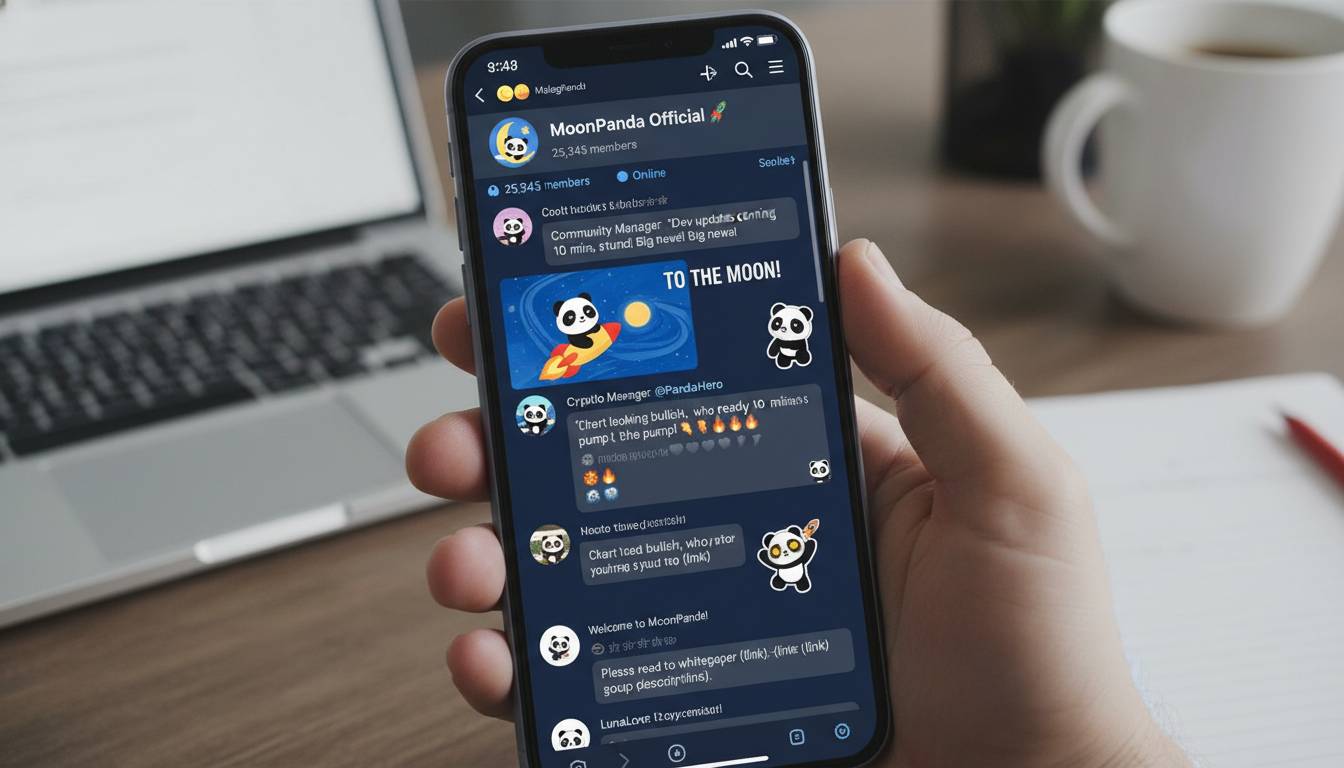
Community matters, but you have to look closely. Check the Telegram group or Discord—are people actually talking, or is it just a few people hyping things up? Look at the follower counts on social media and ask yourself if they look real. Fake engagement is rampant.
Who created the token is worth knowing. Anonymous teams are normal in this space, but if someone has a track record—previous successful launches, real involvement in crypto—that’s a point in their favor. Transparency helps too. Are the contract addresses verified? Is there a clear roadmap, or is it just vibes?
Risks and Red Flags
Let’s be clear: most pump fun coins fail. Like, almost all of them. The few that succeed tend to have something extra—a strong community, a good hook, some luck. Going into this expecting to find the next big thing is fine, but expecting to find it easily is not.
Rug pulls are the biggest threat. Here’s how they work: the creator pumps the token price with fake buying, gets people excited, then dumps their entire holdings once enough liquidity is in the pool. Everyone left holding the bag watches the price crater. Platforms have added some protections, but they’re not foolproof. Always assume you might lose everything.
Scammers have gotten more sophisticated. They copy popular branding, create fake celebrity endorsement posts, and manipulate trading volumes to look legitimate. Experienced traders use checklists: verify contract addresses against scam databases, check if social accounts are real, look at on-chain data for weird patterns. This defensive approach is what keeps you in the game long-term.
Social Media and Sentiment
Twitter/X is the town square for pump fun coins. Information moves fast, and prices move faster. When someone with a big following tweets about a token, the price can spike within minutes. When sentiment turns negative, the sell-off can be just as quick.
The mood swings are extreme. One viral post and everyone’s euphoric. One rug pull and everyone’s terrified. Neither extreme is usually right. Learning to read the sentiment—through social media activity, on-chain metrics, and broader market conditions—helps you avoid getting caught in the hype cycles.
Influencers have a huge impact. A mention from the right person can make a token. But plenty of influencers promote things without doing real research, or they get paid without disclosing it. Treat promotional tweets with skepticism.
Regulation and What’s Coming
This is the uncomfortable part. The regulatory picture is unclear and might stay that way for a while. The SEC has been going after crypto projects, though individual pump fun coins haven’t been major targets—yet. But if a token starts looking like an investment contract rather than a meme, it could draw attention.
Current enforcement focuses on fraud—the obvious scams, the people running obvious rug pulls. But the rules could change. Traders should keep an eye on regulatory news. Something that works today might not work tomorrow.
Looking ahead, launchpad platforms will probably keep improving. More security features, better tools, more competition between blockchains. But the fundamental risk isn’t going anywhere. These are speculative assets built on hype. That won’t change.
Final Thoughts
Pump.fun and similar platforms have created something genuinely new in crypto—a market where anyone can launch a token and anyone can trade it. That openness is exciting, but it’s also why the space is full of scams and failed projects.
If you’re going to play in this market, do it with clear eyes. Understand how the mechanics work. Research projects before putting money in. Never invest more than you can afford to lose—because you probably will lose most of what you put in. The traders who last are the ones who treat this as a learning process, not a lottery ticket.
Common Questions
What’s Pump.fun?
It’s a Solana launchpad where anyone can create a meme coin in minutes. Tokens use a bonding curve that automatically sets prices based on buy volume. When a token hits around $69,000 market cap, liquidity moves to Raydium DEX.
Is this safe?
Nothing about pump fun coins is safe. Most fail. Many are scams. Only put in money you can completely afford to lose.
How do I spot a rug pull?
Watch for anonymous creators, concentrated token holdings, sudden price spikes that don’t match any real activity, fake social media engagement, and no clear communication from the team. Check contract addresses against known scam lists.
Do I need technical skills?
No. The platform handles the technical side. But knowing how wallets work and how to read basic on-chain data helps you avoid getting scammed.
Can these tokens list on big exchanges?
Some do, if they build enough liquidity and community. Most never leave the launchpad and can’t be traded anywhere else.
What’s a good starting strategy?
Start small. Stick to projects with transparent teams and real-looking communities. Set stop-losses. Focus on not losing money before you focus on making it.