11Views 0Comments
What Is an NFT? Complete Guide to Creating Your Own in
Non-fungible tokens (NFTs) have revolutionized digital ownership, creating new opportunities for artists, collectors, and investors worldwide. In 2023, the global NFT market reached approximately $4.9 billion in trading volume, demonstrating sustained interest despite market volatility. This comprehensive guide explains what NFTs are, how they function, and provides actionable steps to create your own.
What Is an NFT? Understanding the Basics
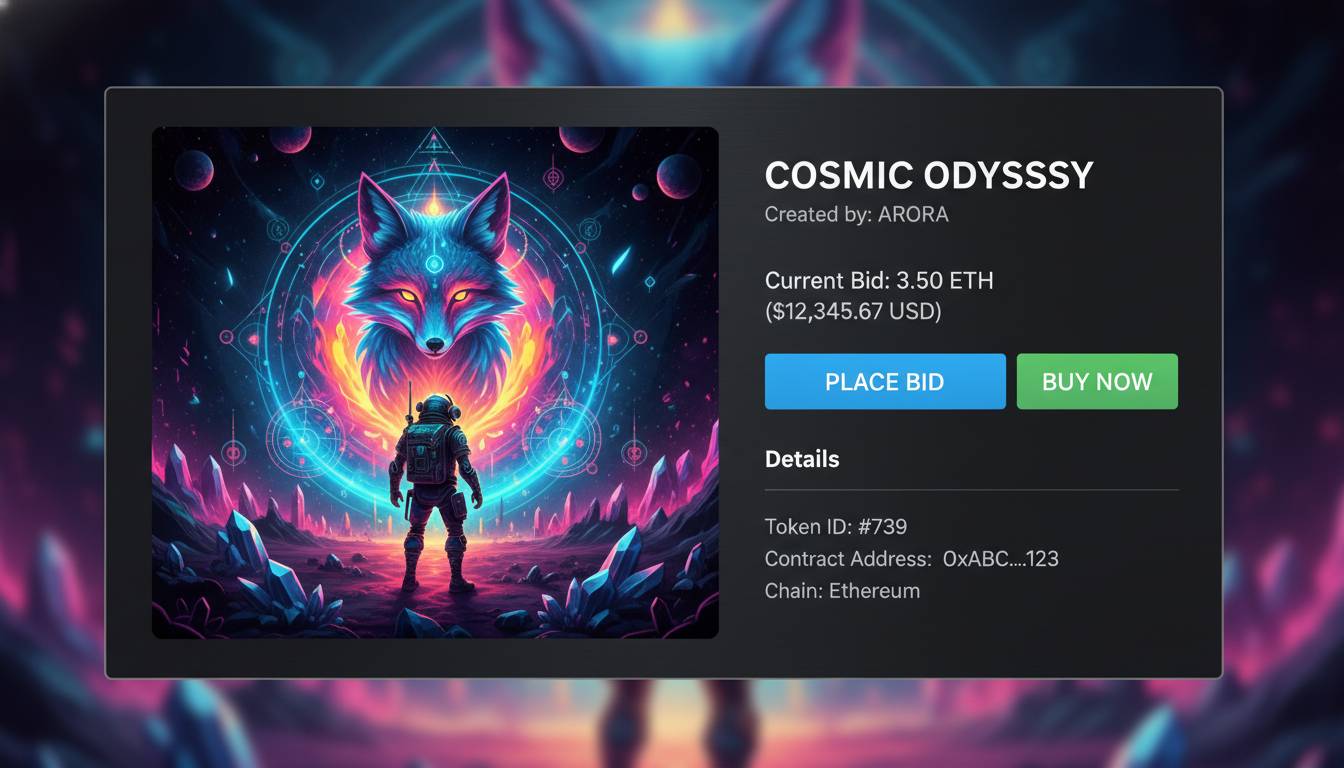
An NFT (Non-Fungible Token) is a unique digital certificate stored on a blockchain that proves ownership and authenticity of a specific digital or physical item. Unlike cryptocurrencies such as Bitcoin or Ethereum, where each unit is identical and interchangeable, NFTs are one-of-a-kind digital assets.
Key Characteristics of NFTs:
- Uniqueness: Each NFT contains distinct metadata that differentiates it from every other token
- Verifiable Scarcity: The blockchain permanently records ownership history and total supply
- Interoperability: NFTs can be bought, sold, or traded across different platforms and marketplaces
- Programmability: Smart contracts enable automatic royalties, conditional transfers, and dynamic content
The concept of non-fungibility existed before blockchain technology. In economics, non-fungible items include real estate, vintage automobiles, and artwork—assets where each unit possesses unique characteristics that prevent direct substitution.
How NFTs Work: The Technology Behind Digital Ownership
Blockchain Foundation
NFTs operate on blockchain networks, with Ethereum remaining the dominant platform for NFT creation and trading. The Ethereum blockchain uses the ERC-721 and ERC-1155 standards to create non-fungible tokens. Solana, Polygon, and Tezos have emerged as alternative blockchains offering lower transaction costs and faster processing times.
Smart Contracts and Metadata
A smart contract governs each NFT, containing executable code that defines the token’s behavior. This contract manages:
- Ownership transfer mechanisms
- Royalties for secondary sales (typically 5-10% to original creators)
- Token metadata including name, description, and associated media files
- Supply limitations and minting conditions
NFT Metadata Structure:
| Component | Description |
|---|---|
| Name | Unique identifier for the NFT |
| Description | Detailed text explaining the asset |
| Image/Media | Digital file linked via URL or embedded |
| Attributes | Properties defining rarity and characteristics |
| External URL | Link to additional content or documentation |
Storage Solutions
NFT media files typically exist off-chain due to blockchain storage limitations. Popular storage solutions include:
- IPFS (InterPlanetary File System): Decentralized peer-to-peer storage
- Arweave: Permanent on-chain data storage
- AWS S3: Centralized cloud storage used by some marketplaces
Types of NFTs: What Can Be Tokenized
The NFT ecosystem has expanded far beyond digital art. Understanding the major categories helps creators identify the best fit for their work.
Digital Art and Collectibles
This category dominates the market, encompassing:
- Digital illustrations and paintings
- 3D models and sculptures
- Profile pictures (PFPs) like Bored Ape Yacht Club
- Trading cards and virtual collectibles
Music and Audio
Musicians tokenize albums, singles, and exclusive audio content. This enables direct artist-to-fan relationships and new revenue streams beyond traditional streaming platforms.
Virtual Real Estate and Gaming Assets
The metaverse has created demand for virtual land, in-game items, and avatar customization. These NFTs function within specific virtual environments and gaming ecosystems.
Domain Names
Web3 domain names (.eth, .crypto) function as NFTs, providing decentralized identity and streamlined cryptocurrency payment addresses.
Tokenized Real-World Assets
Emerging platforms enable fractional ownership of physical assets including:
- Real estate properties
- Luxury goods and watches
- Wine and spirits
- Sports memorabilia
Benefits and Use Cases of NFTs
NFTs offer advantages across multiple stakeholder groups:
For Creators
- Direct Monetization: Artists retain ownership and receive royalties on secondary sales
- Global Reach: Instant access to worldwide collectors without intermediaries
- Proof of Authenticity: Immutable verification against counterfeit issues
- Programmable Royalties: Automatic payment collection on every resale
For Collectors
- Verified Ownership: Blockchain-backed proof of authenticity and ownership history
- Portfolio Diversification: New asset class beyond traditional investments
- Community Access: Many NFTs grant exclusive membership benefits
For Businesses
- Supply Chain Verification: Track provenance of luxury goods
- Customer Engagement: Branded digital collectibles and loyalty programs
- Intellectual Property Management: Clear licensing and ownership records
Step-by-Step Guide to Creating Your Own NFT
Step 1: Choose Your Blockchain
Select a blockchain based on your priorities:
| Blockchain | Transaction Fees | Speed | Marketplace Options |
|---|---|---|---|
| Ethereum | Higher ($5-$100+) | 15-30 seconds | OpenSea, Blur, Foundation |
| Solana | Low ($0.01-$0.25) | ~400ms | Magic Eden, Solanart |
| Polygon | Minimal (~$0.01) | ~2 seconds | OpenSea, Immutable |
| Tezos | Very low (~$0.05) | ~30 seconds | Objkt, FXHash |
Step 2: Set Up a Crypto Wallet
A Web3 wallet is essential for blockchain interactions. Popular options include:
MetaMask: The most widely supported wallet, available as browser extension and mobile app. Compatible with Ethereum, Polygon, and other EVM chains.
Phantom: The leading Solana wallet, known for its intuitive interface and mobile app.
Rainbow: An Ethereum-focused wallet praised for its design and security features.
Setup Process:
1. Download the wallet extension or mobile app
2. Create a secure password
3. Write down your seed phrase (12-24 words) and store it offline
4. Fund your wallet with the native cryptocurrency for gas fees
Step 3: Acquire Cryptocurrency
You’ll need native tokens to pay for minting (creating) your NFT:
- ETH for Ethereum-based NFTs
- SOL for Solana NFTs
- MATIC for Polygon NFTs
Purchase cryptocurrency through exchanges like Coinbase, Binance, or Kraken, then transfer to your Web3 wallet.
Step 4: Connect Wallet and Choose Marketplace
Select a marketplace based on your blockchain and goals:
For Ethereum:
– OpenSea: Largest marketplace, beginner-friendly
– Foundation: Curated, higher-quality art focus
– Blur: Professional trading platform with low fees
For Solana:
– Magic Eden: Leading Solana marketplace
– Tensor: Advanced trading features
For Polygon:
– OpenSea (Polygon): Zero gas fees for minting
– Immutable: Gaming and entertainment focus
Step 5: Create and Upload Your Digital Asset
Prepare your file according to marketplace requirements:
- Image formats: PNG, JPG, GIF, SVG, WebP
- Video/Audio: MP4, MP3, WAV (check size limits)
- Size limits: Typically 50MB or less per file
Consider creating a collection for related items. Collections require:
- Featured image (typically 350x350px)
- Banner image
- Collection name and description
- Royalty percentage (typically 5-10%)
Step 6: Mint Your NFT
The minting process varies slightly by platform:
- Click “Create” or “Mint” in your chosen marketplace
- Upload your digital file
- Fill in metadata:
- Name: Clear, searchable title
- Description: Tell the story behind your work
- Properties: Add attributes for discoverability
- External URL: Link to your website or portfolio
- Choose blockchain (confirm before proceeding)
- Pay minting fee (gas costs vary by network congestion)
- Confirm transaction in your wallet
Step 7: List for Sale
After minting, set your sale terms:
- Fixed Price: Set a specific price in cryptocurrency
- Auction: English (rising price) or Dutch (descending price)
- Open for Bids: Allow collectors to make offers
Costs and Considerations Before Creating an NFT
Primary Expenses
| Cost Type | Typical Range | Notes |
|---|---|---|
| Gas/Minting Fees | $1-$200+ | Varies by blockchain and network demand |
| Marketplace Fees | 2.5%-5% | Applied to each sale |
| Wallet Setup | Free | Software wallets are typically free |
| Payment Processing | Network fees | Applied to crypto transactions |
Strategic Considerations
Royalties: Most creators set royalties between 5-10% of secondary sales. This provides ongoing revenue as your work appreciates.
Platform Lock-in: Some marketplaces restrict where NFTs can be transferred. Review terms before minting.
Copyright: Minting an NFT doesn’t automatically grant copyright ownership. Ensure you have rights to the underlying content.
Environmental Concerns: While often criticized, many blockchains have transitioned to proof-of-stake consensus, reducing energy consumption by approximately 99%.
Common Mistakes to Avoid
For New Creators
Minting Without Research: Many creators pay high gas fees during network congestion. Monitor block explorer gas trackers and mint during off-peak hours.
Poor Metadata: NFTs with generic names and descriptions fail to attract buyers. Invest time in crafting compelling narratives.
Ignoring Copyright: Using others’ work without permission results in takedowns and potential legal action.
Overpricing Initially: Research comparable sales before setting prices. Overpriced NFTs often go unsold and lose momentum.
Technical Errors
Incorrect File Links: Broken IPFS links or expired centralized storage links permanently damage your NFT’s value.
Wrong Blockchain: Once minted, NFTs typically cannot be transferred to different blockchains. Double-check your selection before confirming transactions.
Wallet Security: Never share your seed phrase. Legitimate services never ask for this information.
Frequently Asked Questions
How much does it cost to create an NFT?
Creating an NFT costs between $1 and $200 or more depending on the blockchain you choose. Polygon and Tezos offer the lowest fees, often under $1. Ethereum gas fees vary significantly—during peak demand, minting can cost $50-$200, while off-peak periods may see fees under $10.
Can I create an NFT for free?
Yes, several marketplaces offer free minting. OpenSea on Polygon, Lazy.com, and some Tezos marketplaces allow creators to mint without upfront costs. However, buyers typically pay gas fees when purchasing, and the creator still pays fees upon their first sale.
What file formats are accepted for NFTs?
Most marketplaces accept image files (PNG, JPG, GIF, SVG, WebP), video (MP4, WebM), audio (MP3, WAV, OGG), and 3D models (GLB, GLTF). Always check specific marketplace requirements as file size limits vary, typically ranging from 10MB to 100MB.
Do I need to know how to code to create an NFT?
No, coding is not required. Major marketplaces like OpenSea, Magic Eden, and Foundation provide user-friendly interfaces that handle the technical blockchain interactions. You simply upload your file, fill in metadata, and confirm the transaction through your wallet.
Can I sell an NFT after creating it?
Yes, you can list your NFT for sale on any marketplace that supports the blockchain where it was created. Most creators list their NFTs immediately after minting, setting either a fixed price or auction format.
Who owns the rights to my NFT?
Creating an NFT does not automatically transfer copyright or intellectual property rights to the buyer unless explicitly stated in the smart contract. As a creator, you retain copyright unless you explicitly transfer those rights through licensing terms.
Conclusion
The NFT ecosystem continues evolving rapidly, offering creators unprecedented opportunities to monetize digital work and establish direct relationships with collectors. Success requires understanding the technology, choosing appropriate platforms, and creating quality work with compelling presentations.
Start with low-cost blockchains like Polygon or Tezos to experiment without significant financial risk. Focus on building genuine connections with collectors and developing your unique artistic identity. The barrier to entry has decreased substantially, but differentiation through quality and community engagement remains the key to long-term success in the NFT space.